SSbD4CheM_FuturePlasticRevolution (2)

SSbD4CheM @ The Future of Plastic (R)evolution (07.10.2026, Ljubljana)

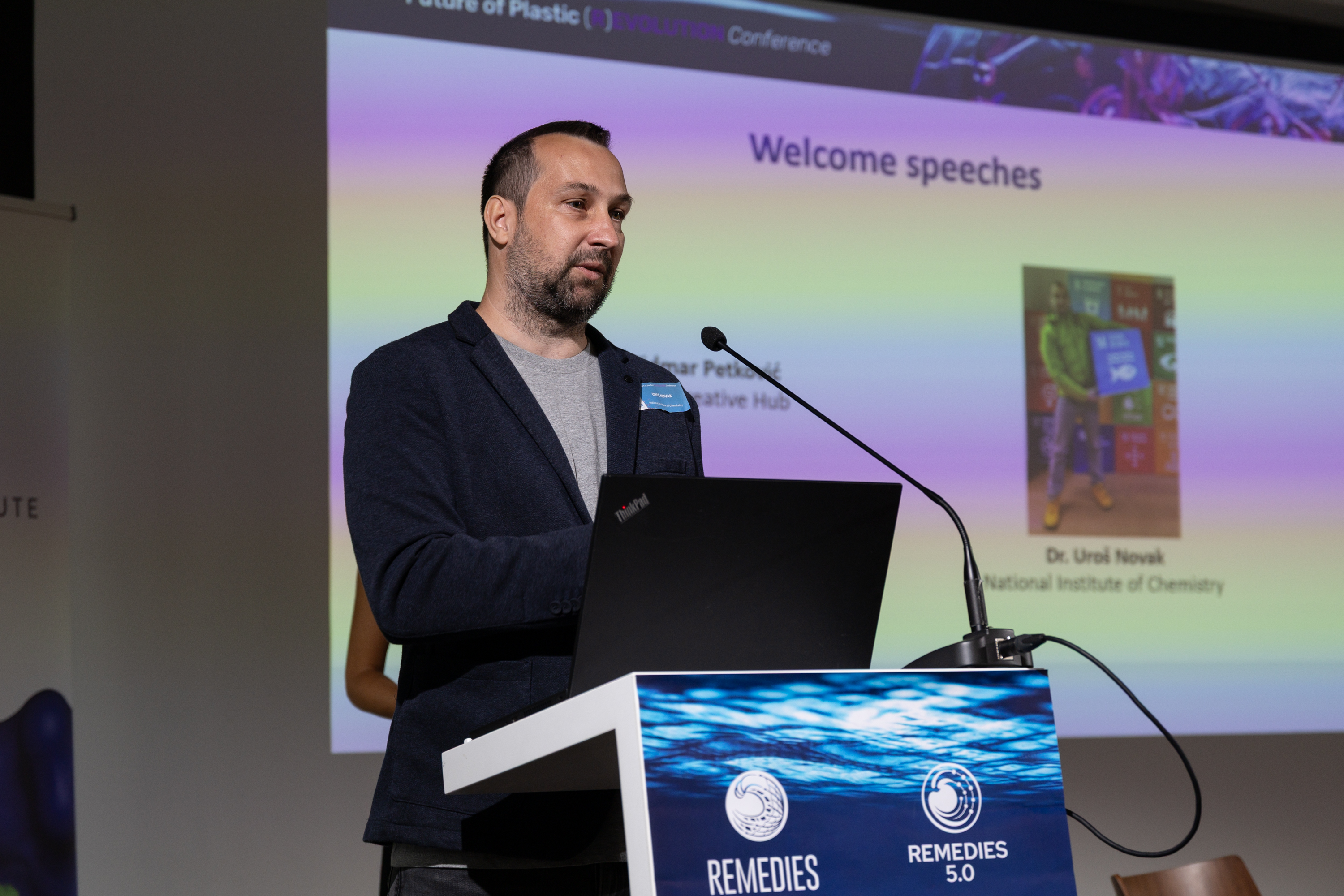
On 7 October 2026, the SSbD4CheM project participated in “The Future of Plastic (R)evolution” conference at Center Rog in Ljubljana, Slovenia. The event, organised by the National Institute of Chemistry (Kemijski inštitut – NIC) under the EU Mission “Restore our Ocean and Waters”, marked the final conference of the EU-funded Horizon Europe REMEDIES project and the launch of its successor initiative, REMEDIES 5.0.

Bringing together 152 in-person participants and 35 online attendees, the conference gathered representatives from research, industry, innovators, (local) public authorities, civil society as well as the European Commission to discuss solutions to address plastic and microplastic pollution across the full product lifecycle. Throughout keynotes, demonstration sessions, and the concurrent 10th REMEDIES Cluster Meeting, participants evaluated deployed technologies for ocean waste collection and circular material valorisation, addressed standardising marine litter monitoring across regions like the Northern Adriatic, and established a transition framework into REMEDIES 5.0 to scale waterfront restoration, community engagement, and circular blue economy practices across European coastal cities and river basins.

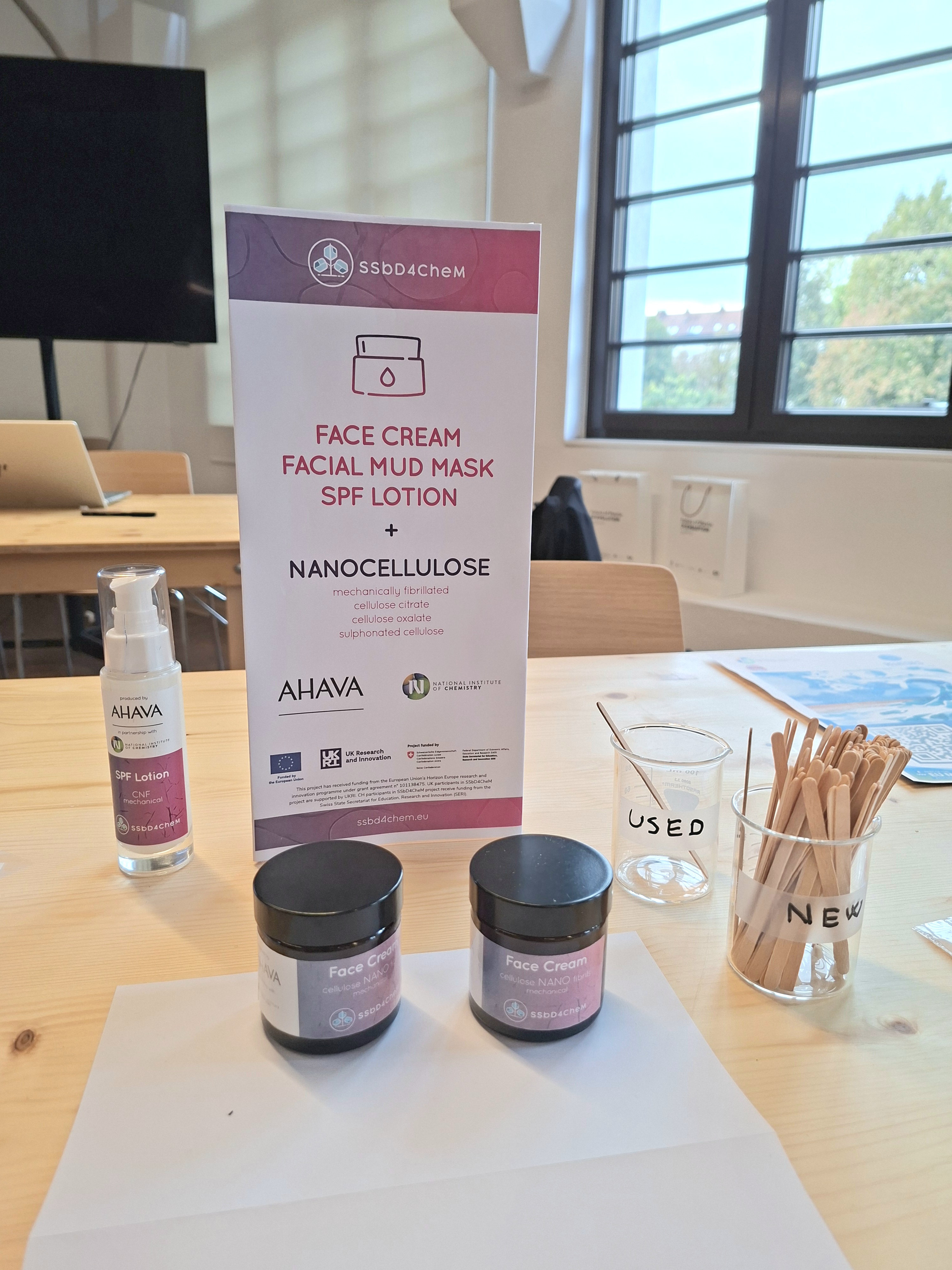
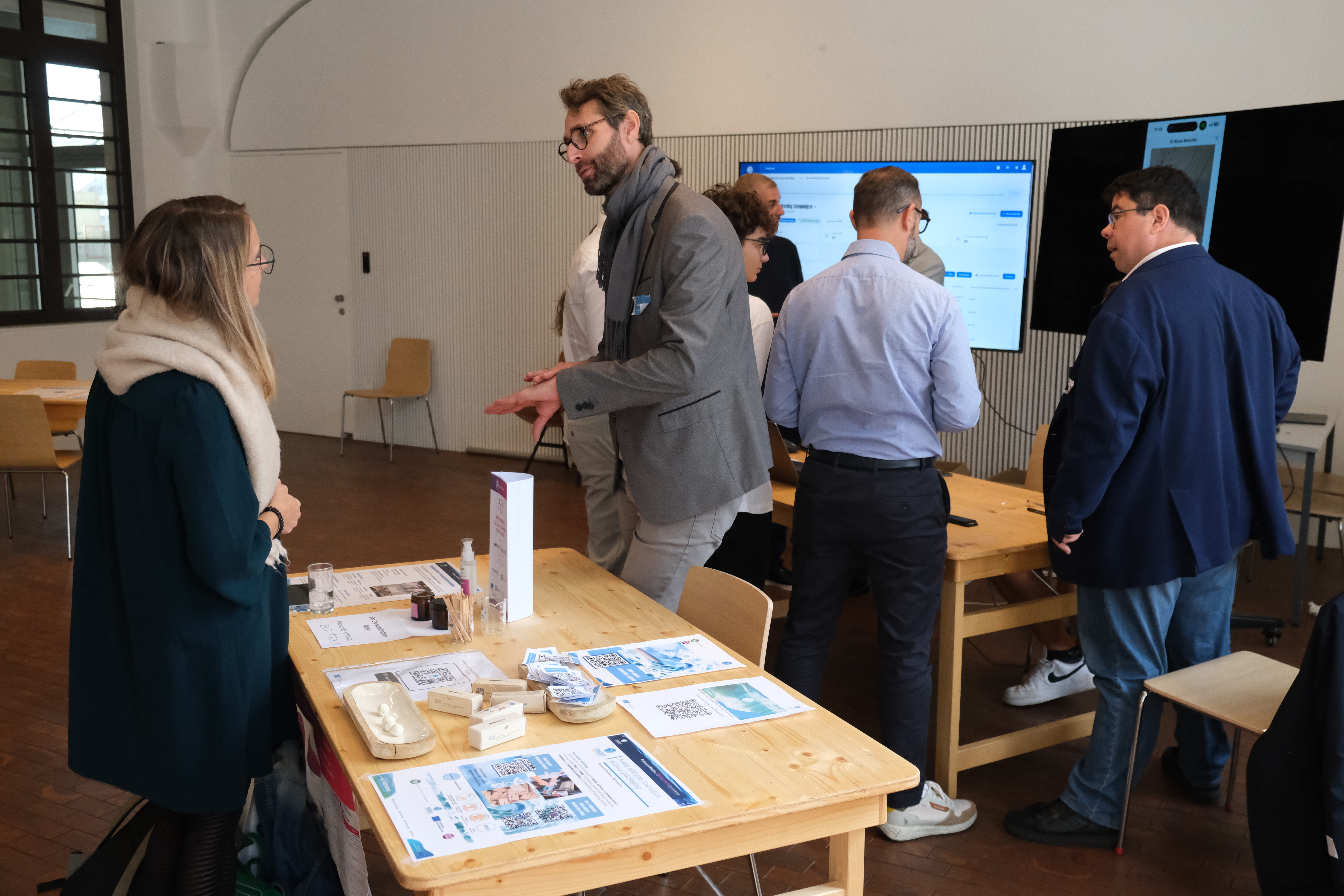
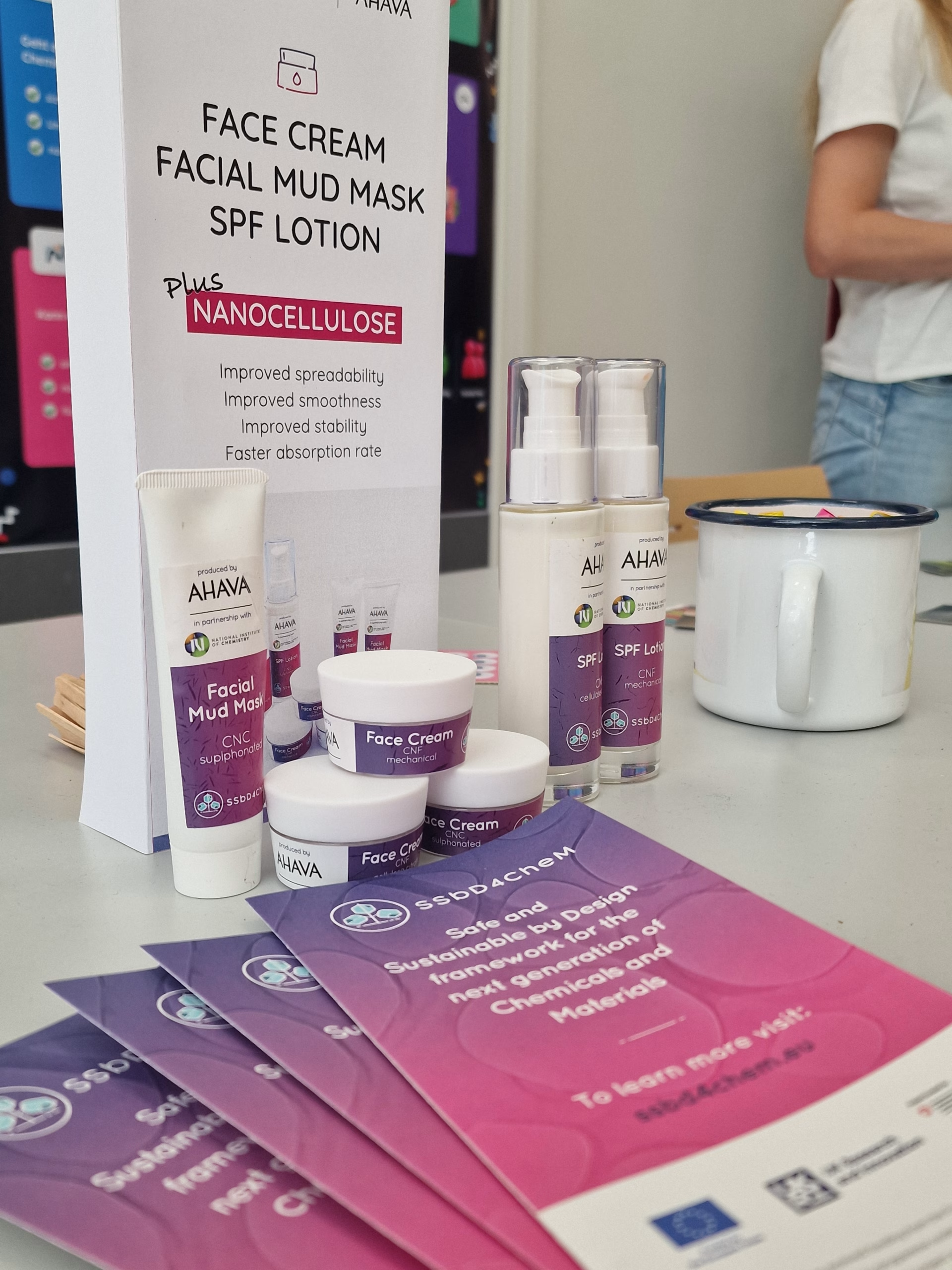
 As part of the event’s live innovation demonstrations in the Small Hall, SSbD4CheM showcased cosmetic products containing nanocellulose, developed by AHAVA with support from NIC team. These products demonstrate the potential of microplastic-free alternatives in cosmetics, helping prevent microplastics from entering aquatic ecosystems. 

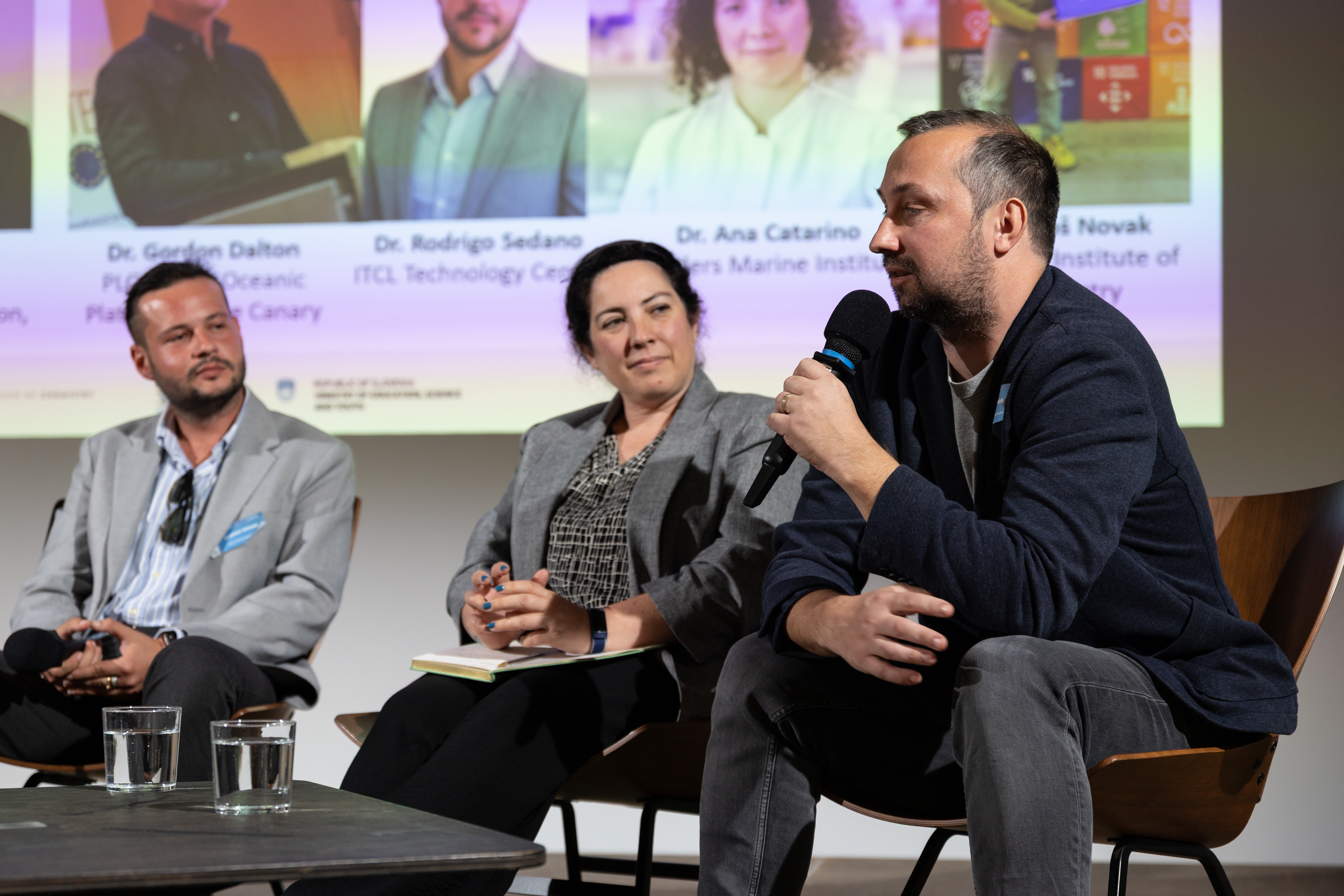
Ondrej Panák presented the SSbD4CheM solutions to participants, while Uroš Novak contributed to the organisation of the event and participated as a speaker in discussions related to the REMEDIES project.

The demonstration highlighted how the Safe and Sustainable by Design (SSbD) approach can support the development of innovative products that address environmental challenges while considering safety and sustainability from the earliest stages of product design.

The participation in the conference provided SSbD4CheM with an opportunity to present project results to a broad, multidisciplinary audience and raise awareness of practical alternatives to microplastics. By showcasing solutions developed within the project, SSbD4CheM contributes to advancing safer and more sustainable products and supporting the transition towards a cleaner aquatic environment.

Read More
SSbD4CheM_ScienceGardenFestival2026 (3)

SSbD4CheM @ Science Garden Festival 2026 (23-25.09.2026, Graz)

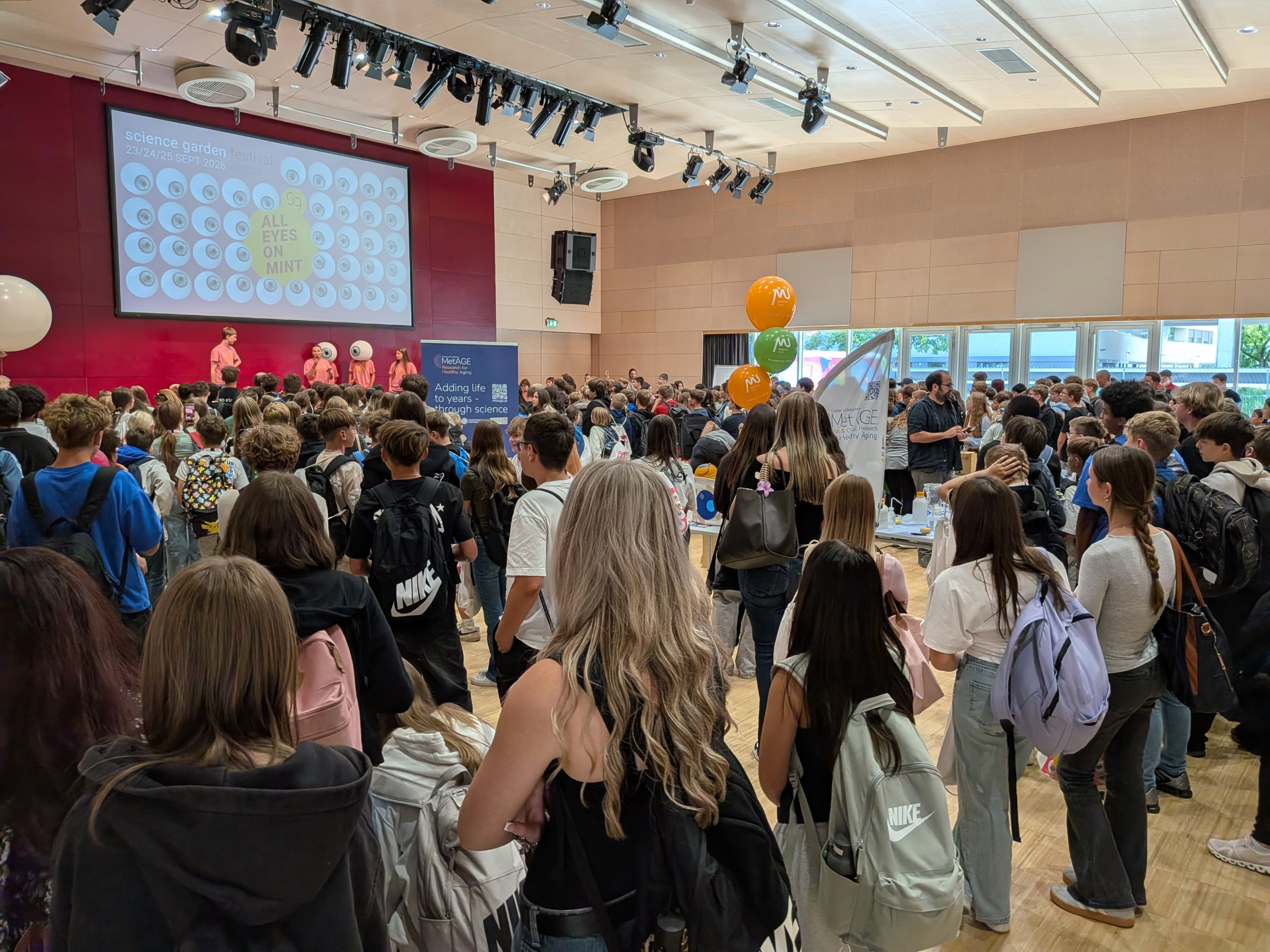
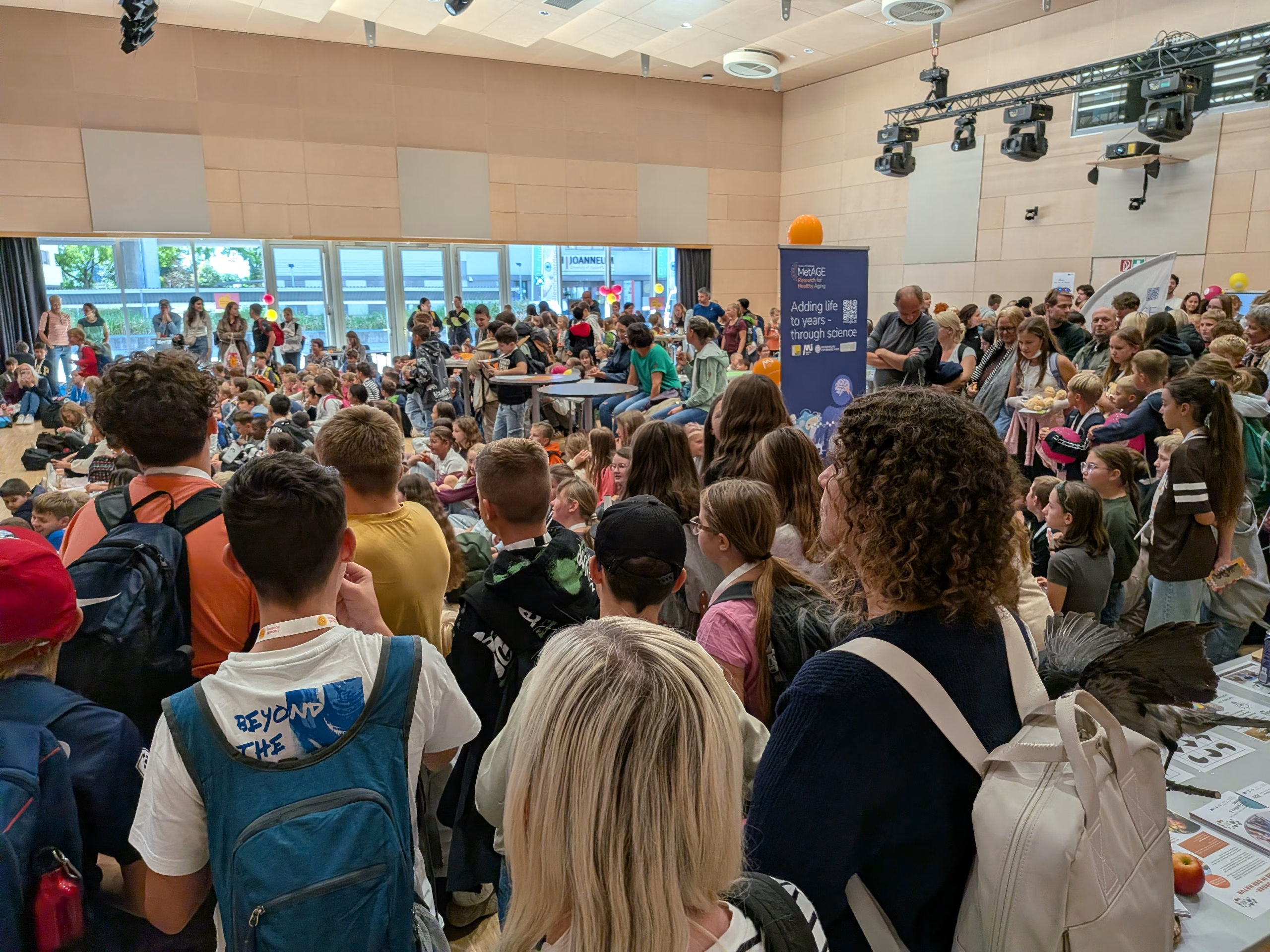
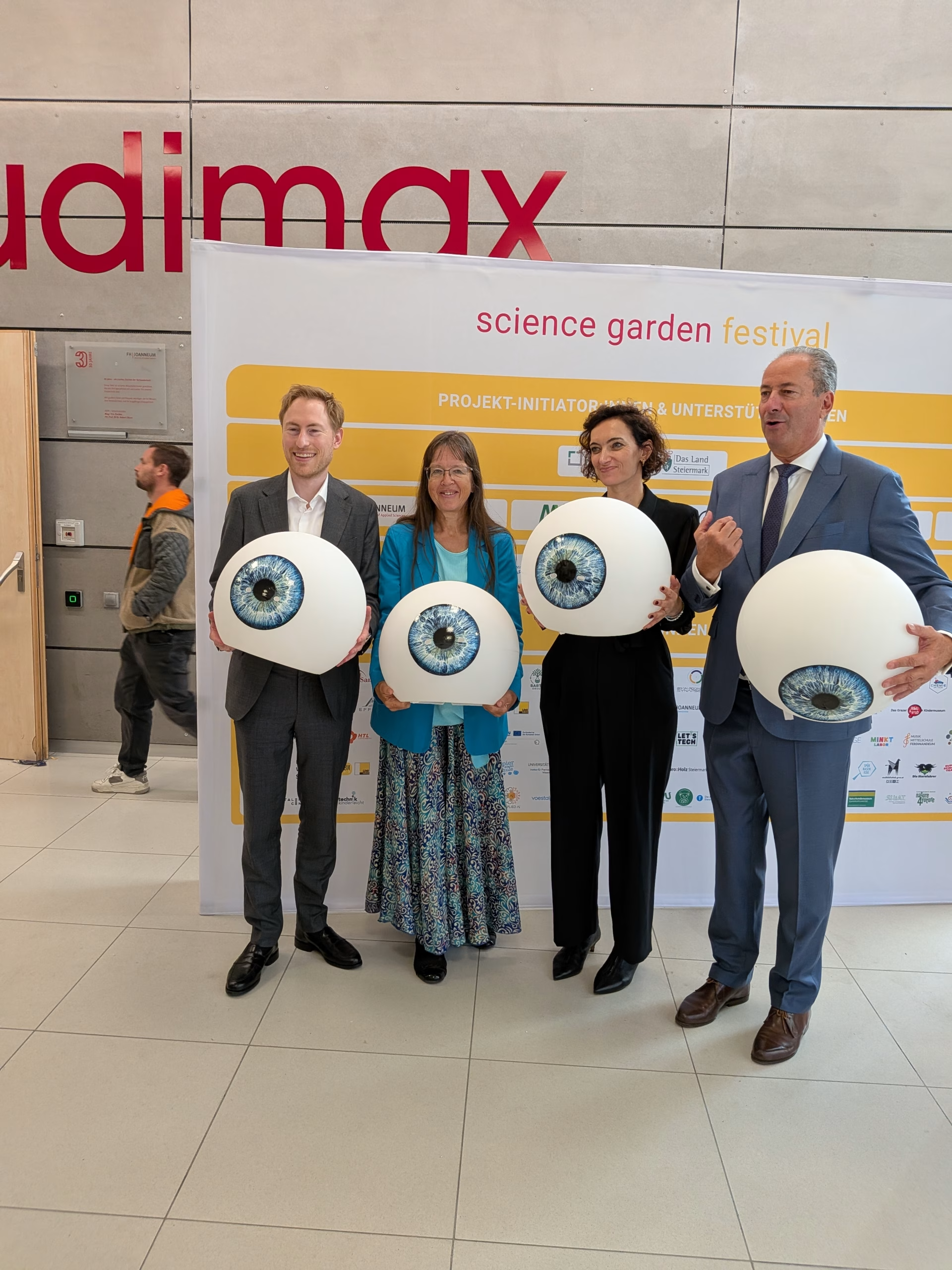
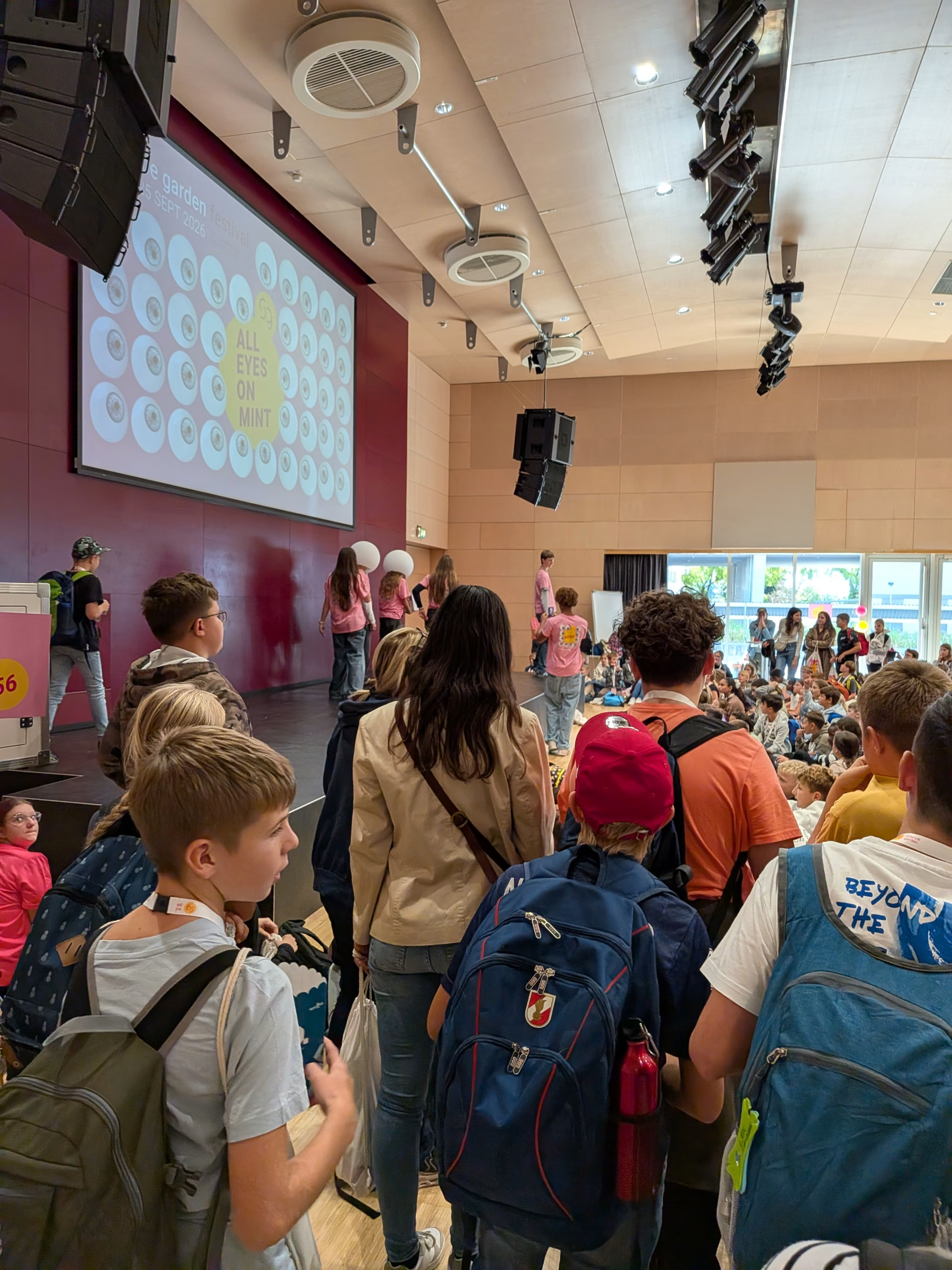
From 23 to 25 September 2026, the Science Garden Festival returned for its second edition, building on the success of its inaugural event at Graz University of Technology (TU Graz) in 2024. Organized together with Styrian researchers, educational institutions and businesses, the festival celebrated science, technology, engineering and mathematics (STEM) under the motto “ALL EYES ON STEM.” 

The festival is part of the Science Garden initiative, coordinated by innoregio styria and its network partners. Over the past two years, the project has provided more than 500 STEM experiences for children and young people aged 3 to 19 throughout Styria via the Science Garden platform. In collaboration with all nine Styrian universities, the Styrian Federation of Industry, the Styrian Chamber of Commerce, the Styrian Business Promotion Agency (SFG), and the Association for Location and Society, the initiative aims to inspire the next generation by making mathematics, computer science, natural sciences and technology accessible, engaging and fun. 

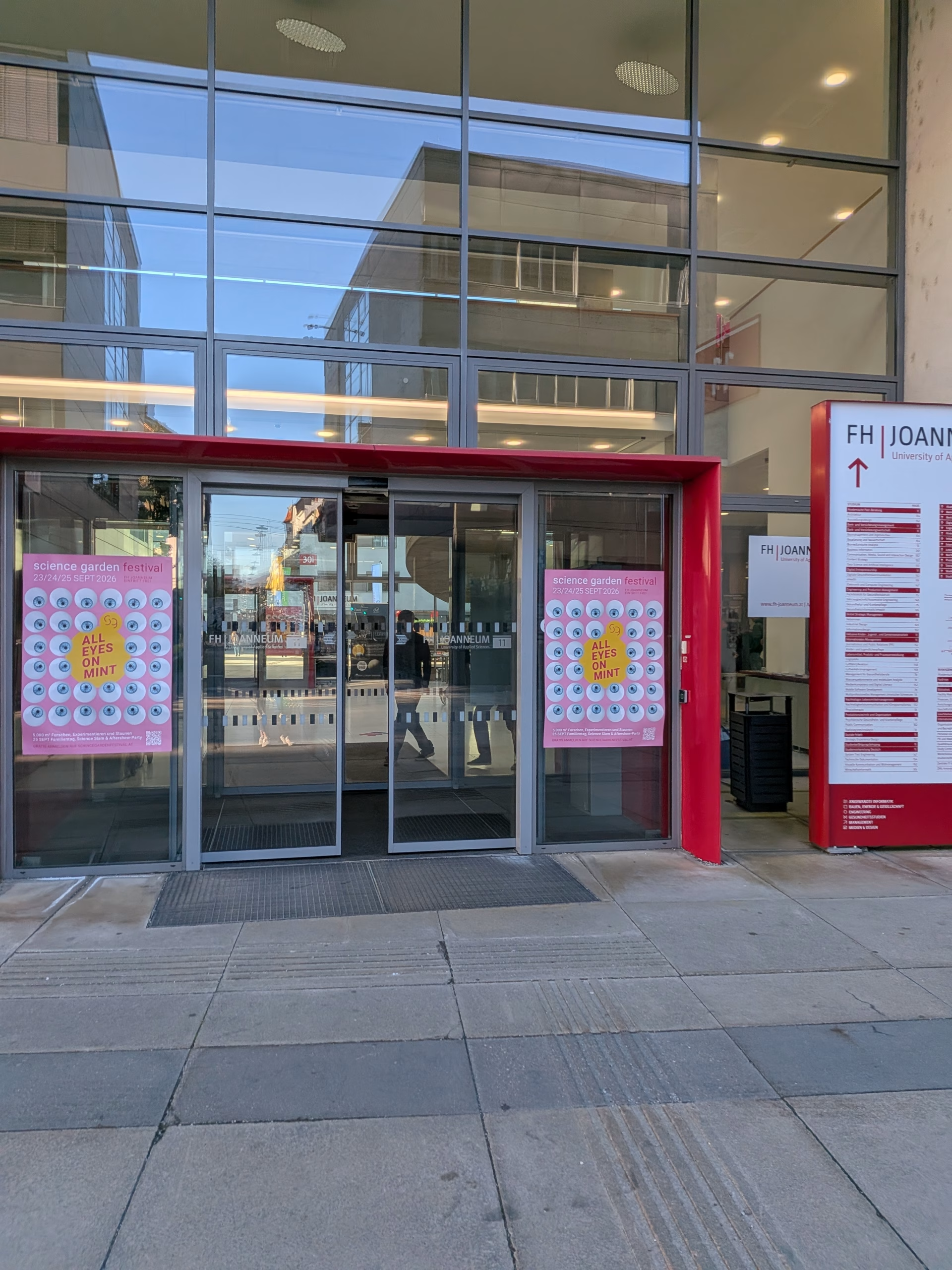
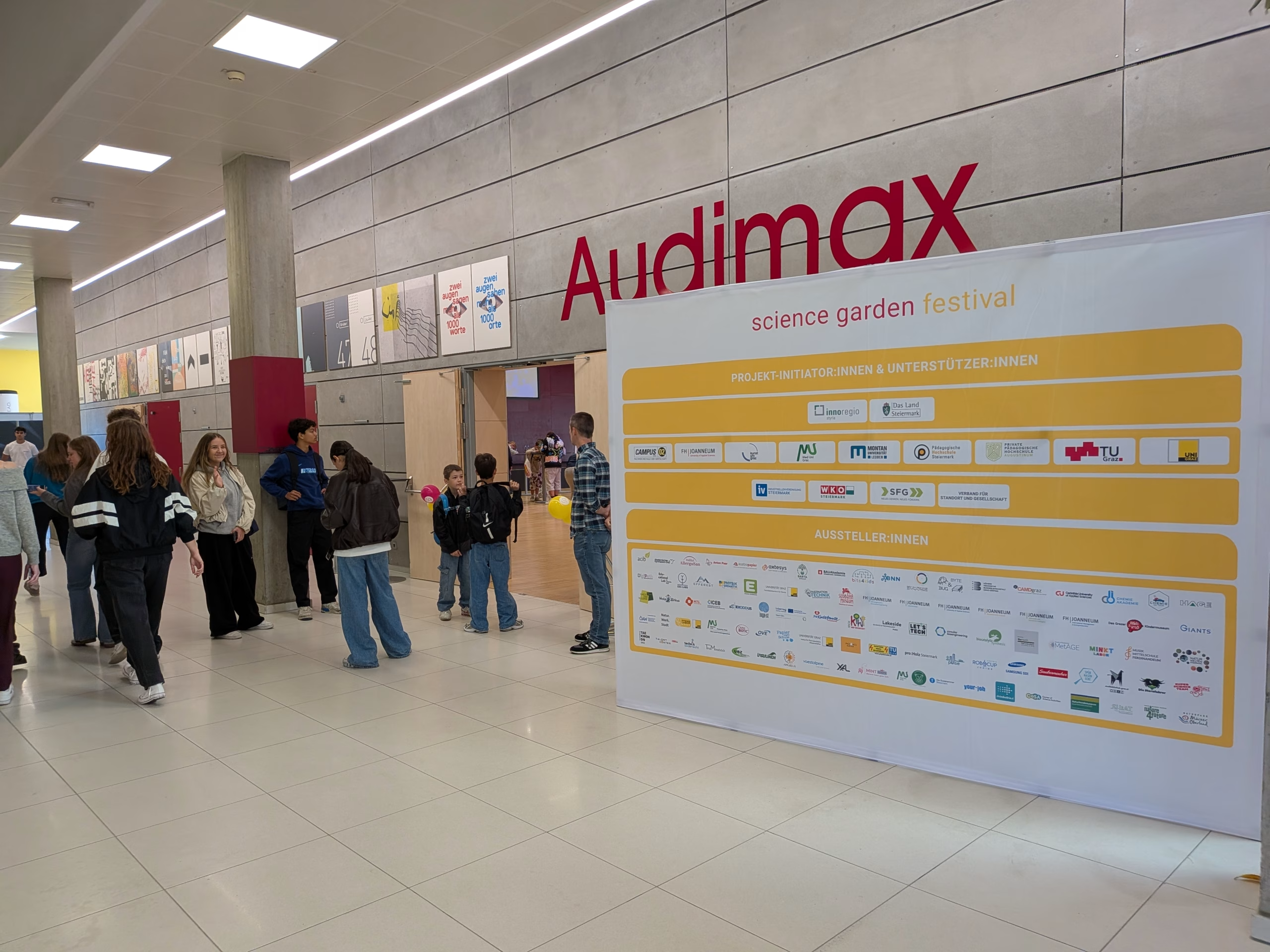
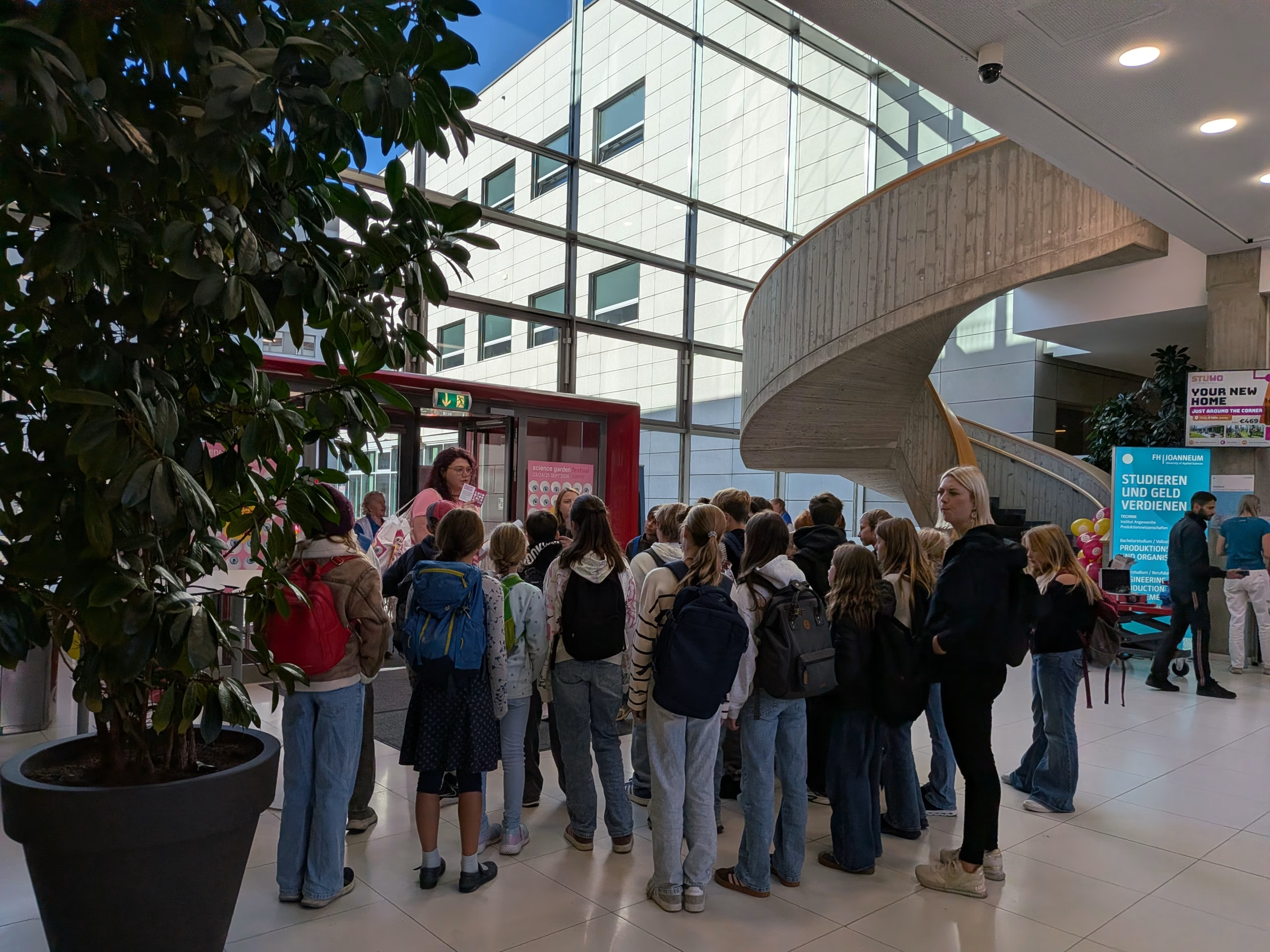
In the facilities of the FH JOANNEUM in Graz, across 5,000 m2 and featuring around 100 interactive stations, the festival welcomed school classes, families and visitors of all ages to explore, experiment and discover the fascinating world of STEM through hands-on experiences. Around 5000 people attended the event. 

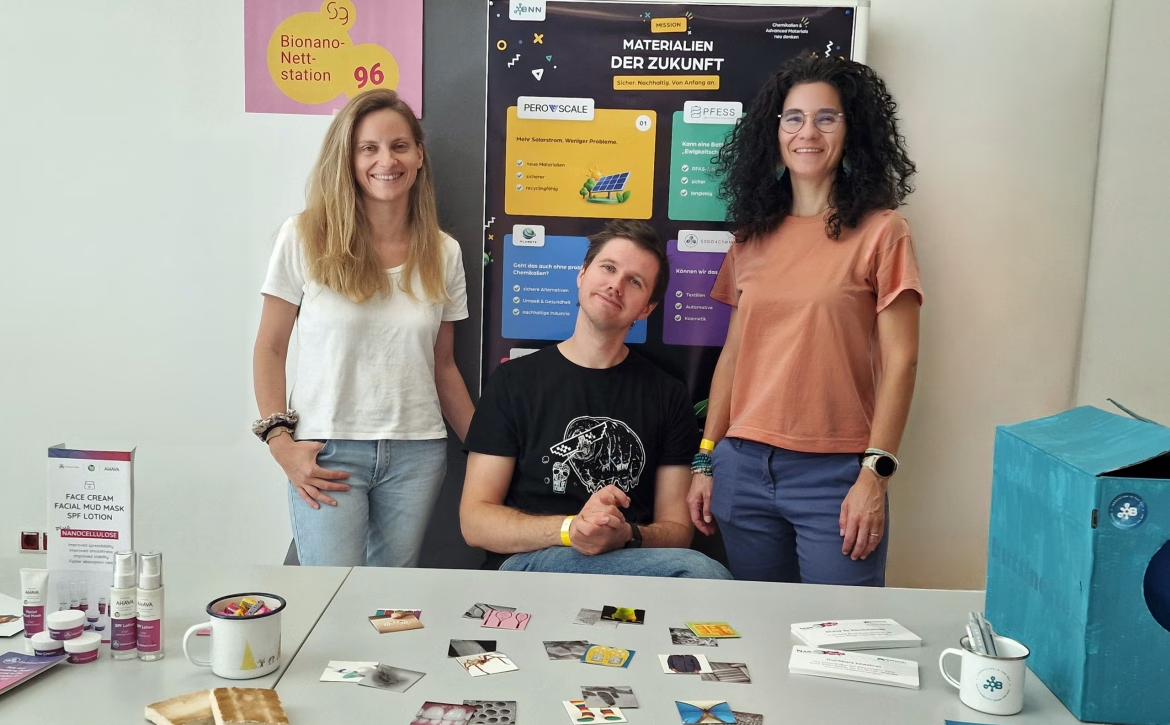
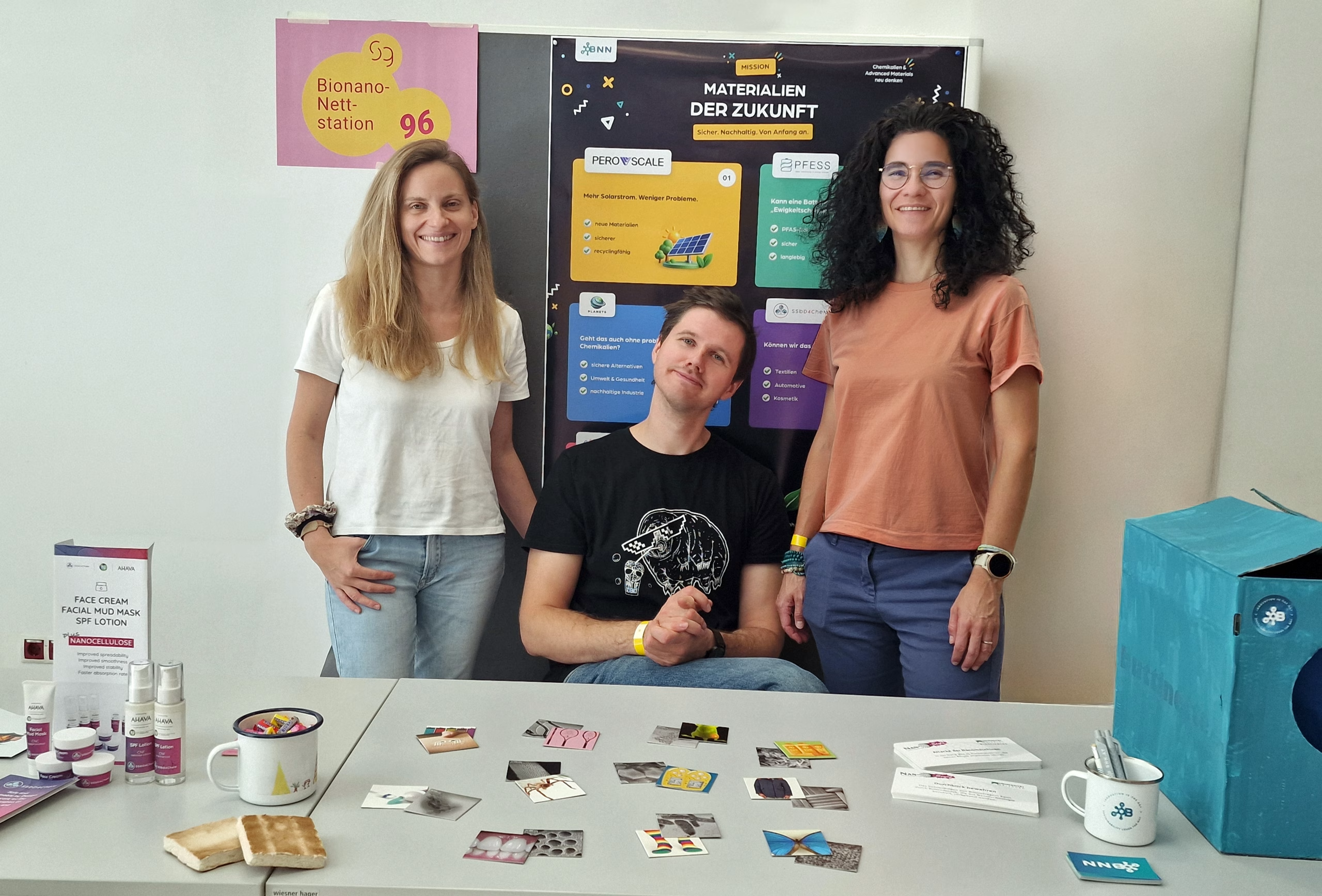
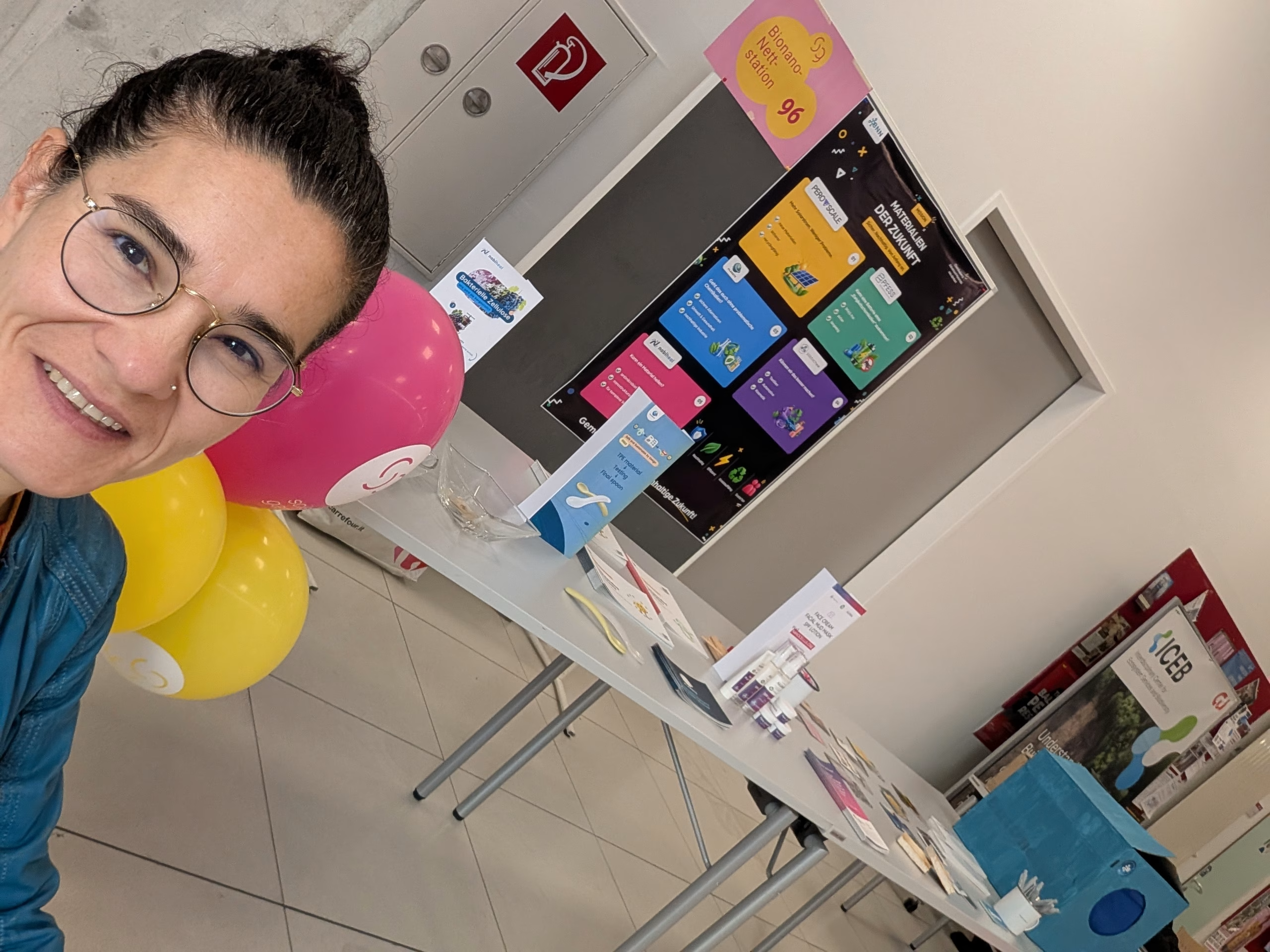
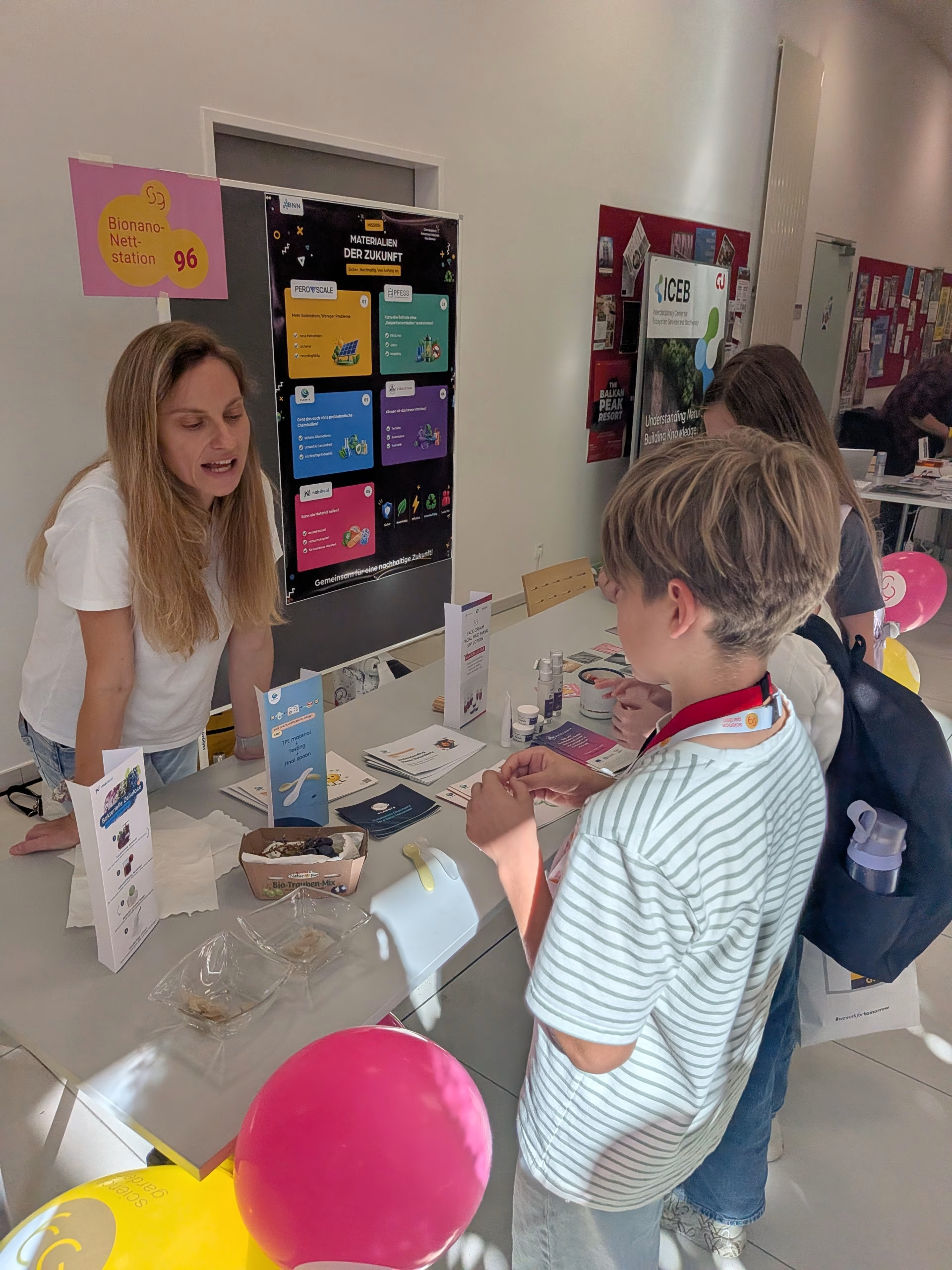
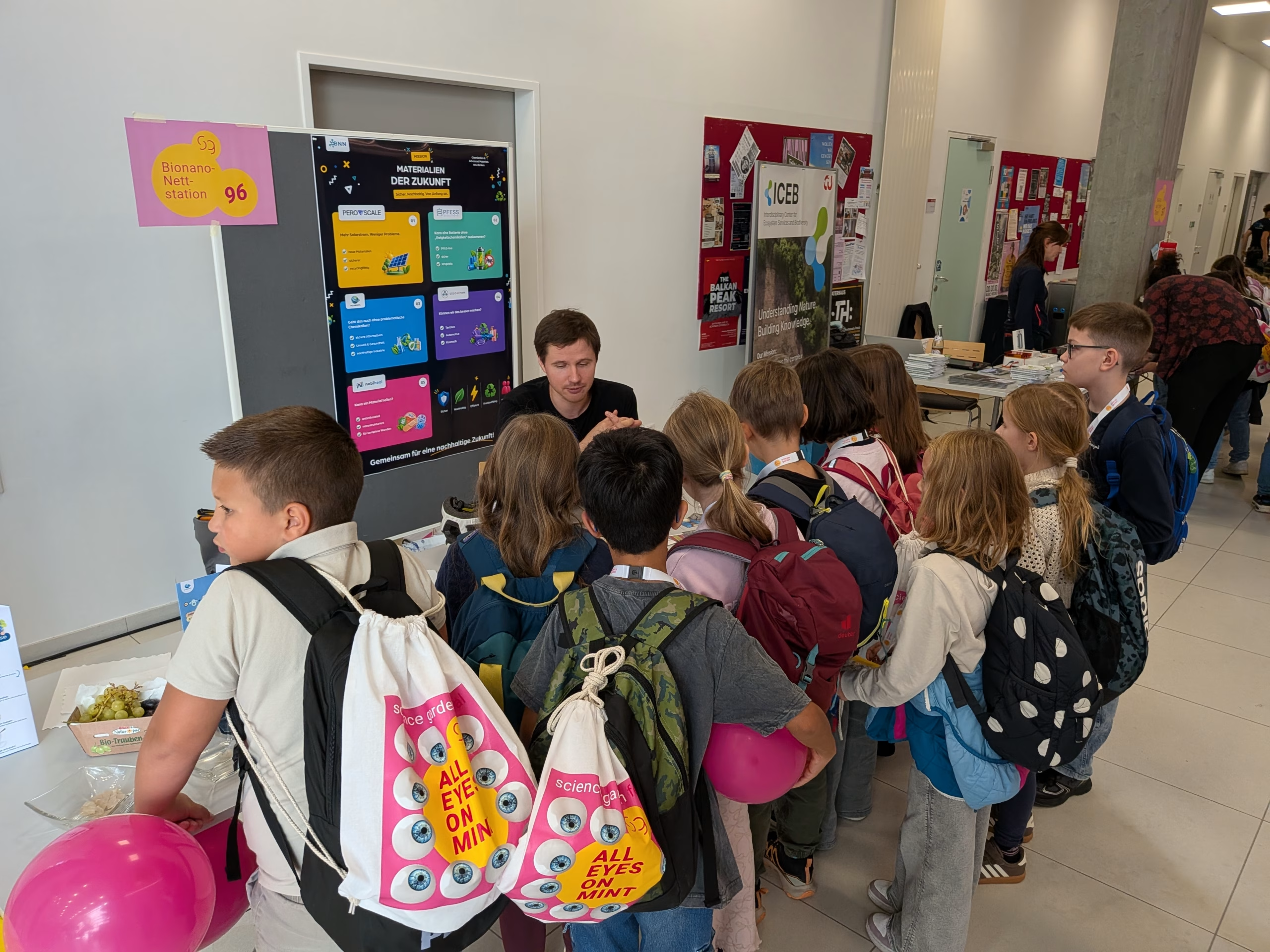
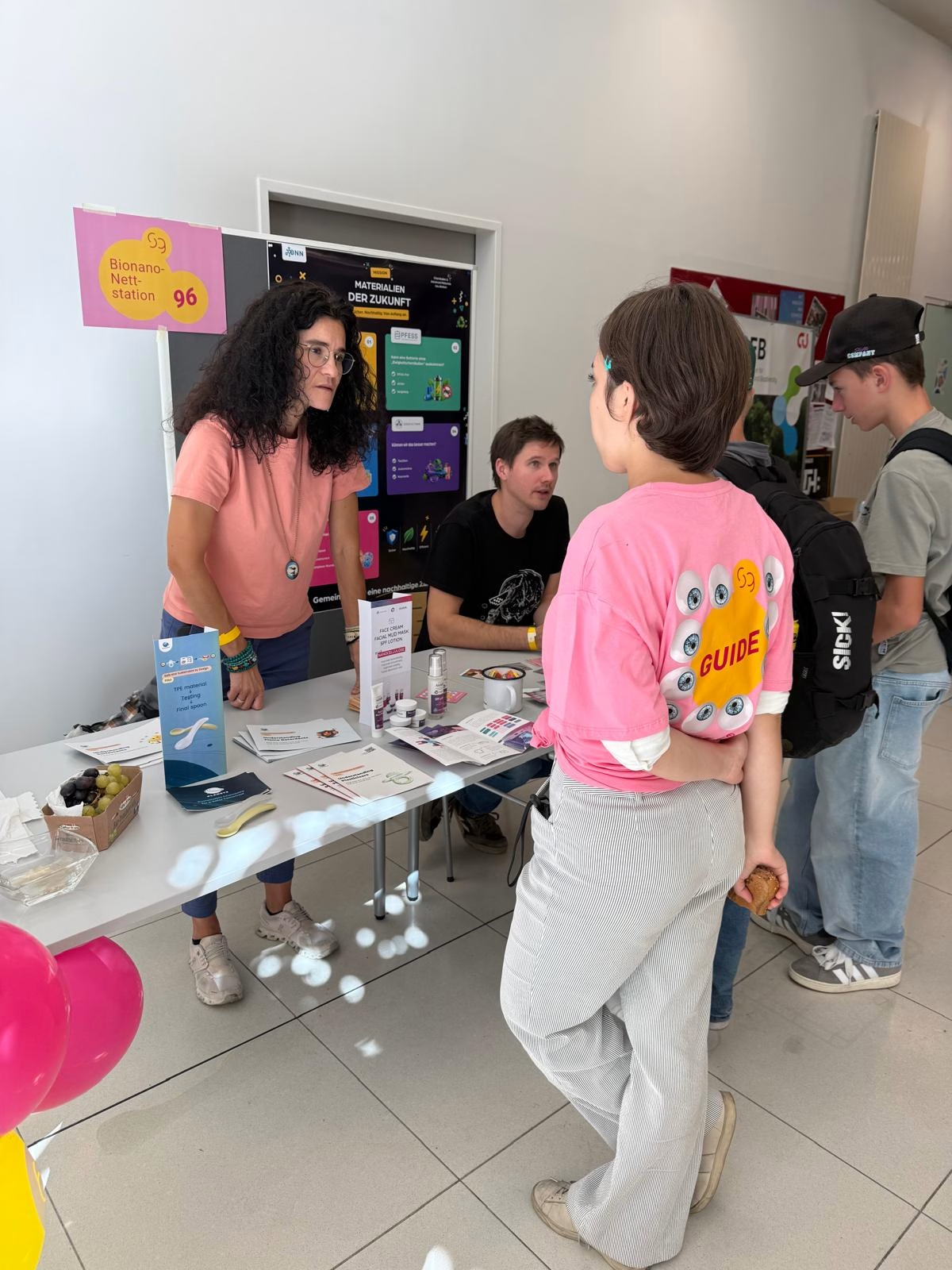
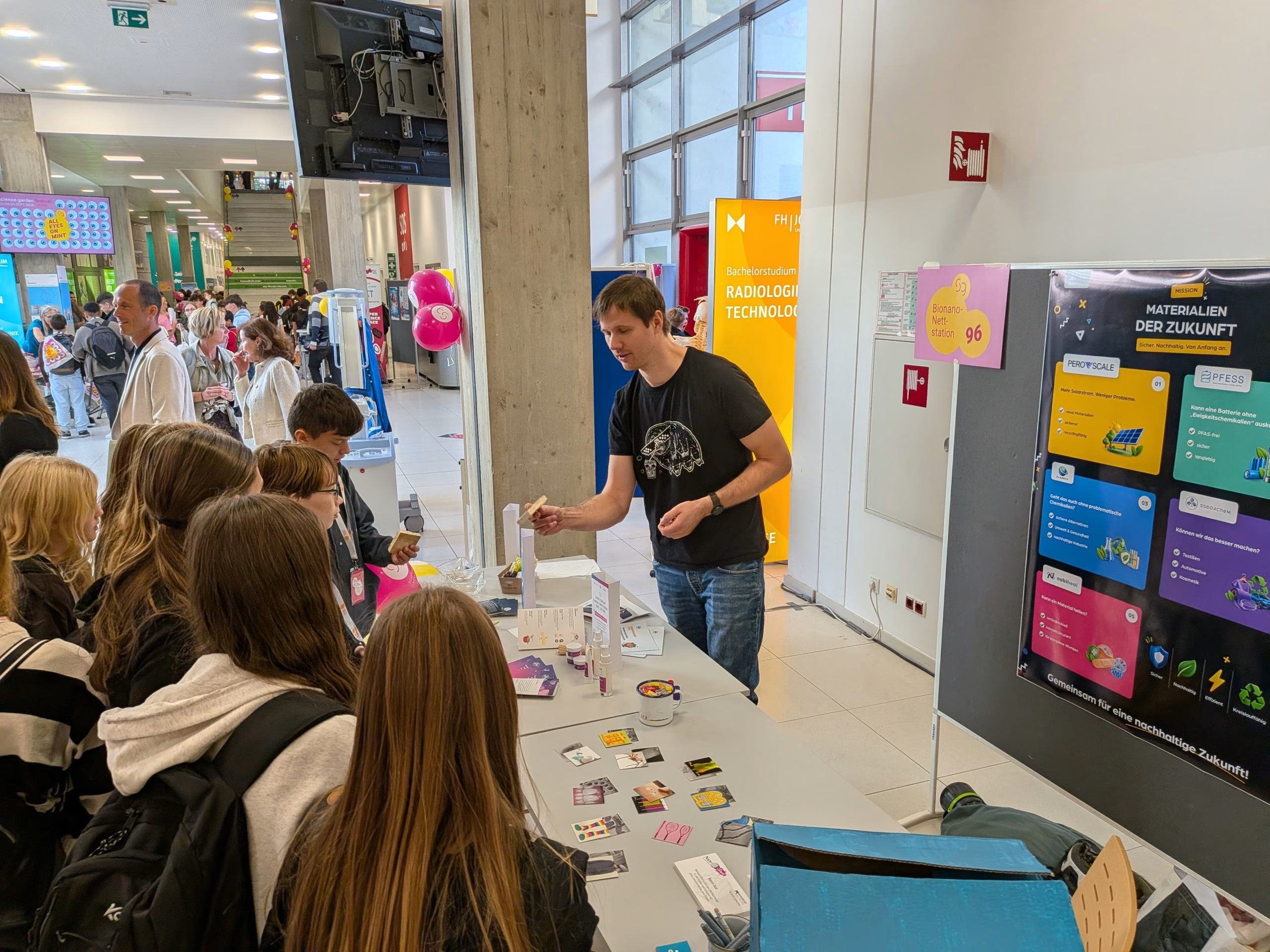
At the BNN booth, Beatriz Alfaro, Susanne Resch and Matiss Reinfelds transformed research into engaging activities for visitors. Through interactive games and demonstrations, they presented several national projects, including PEROVSCALE and PFESS, as well as European projects such as NABIHEAL, PLANETS, and SSbD4CheM. 

The team introduced complex scientific concepts in an accessible and entertaining way, attracting enthusiastic children, students, and families. Visitors learned about topics ranging from Safe-and-sustainable-by-Design (SSbD), child-friendly PTE spoons and microplastic-free face creams to innovative wound-healing materials derived from bacterial processes that convert grape waste into valuable resources. 

One of the most popular attractions was the BNN “magic box,” where young participants were invited to identify project-related objects using only their sense of touch. The activity encouraged curiosity and scientific exploration, while sparking conversations about sustainability of advanced materials. Throughout the event, the BNN team demonstrated how scientific research can directly contribute to solving real-world challenges and improving everyday life. The strong interest shown by visitors highlighted the importance of making research accessible and engaging for the wider public. And while conversations with primary school children about advanced materials can take unexpected turns, and statements like “I can eat an entire schnitzel!” are an absolutely normal part of the conversation, they also demonstrate an immense appetite for new knowledge. In an age of never-ending virtual streams of misinformation and disinformation that can lead to growing mistrust in science, it is more important than ever for scientists to be out there, engaging in conversations with children, teenagers, and their parents. BNN was delighted to welcome more than 200 participants to its hands-on activities and to contribute to a festival that successfully connected researchers, innovators and the community through a shared passion for science and discovery. 

You can find more information in the official Press Release from 25th September 2026.

Below you can find some pictures of the event (Foto credits @ BNN).

More pictures are available here (Foto credits @ Nadine Propst | Science Garden).

You are currently viewing a placeholder content from YouTube. To access the actual content, click the button below. Please note that doing so will share data with third-party providers.

More Information

Read More
SSbD4CheM_YoungWomenConfLux_LIST

SSbD4CheM @ YWC 2026 (19.03.2026, Luxembourg)

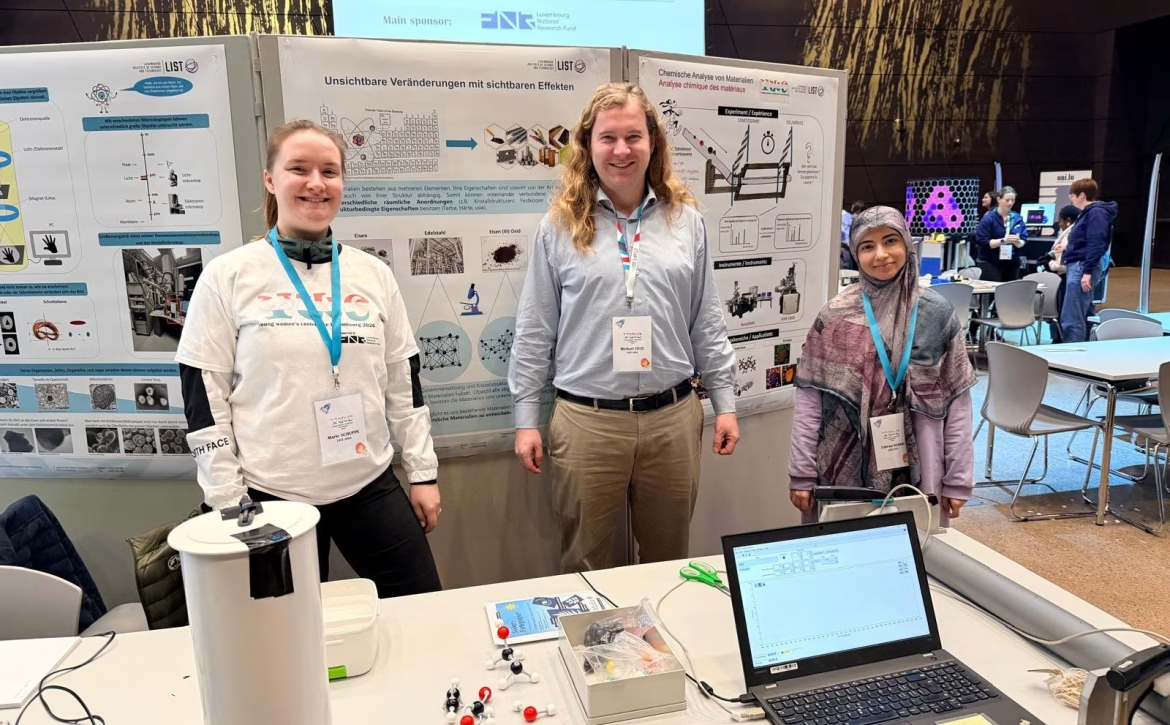
The Young Women’s Conference (YWC) Luxembourg 2026 brought together more than 500 young women, along with their teachers and school classes, at the Belval campus of the University of Luxembourg on 19 March 2026. By combining scientific exchange, career guidance and hands-on experiences, the event aimed to inspire the next generation to explore careers in science, technology, engineering and mathematics (STEM), highlighting the diversity of opportunities in research and innovation.

YWC Luxembourg 2026 was supported by the Luxembourg National Research Fund and coordinated by LIST. 

Inspired by the successful Young Women’s Conference model established by Princeton University’s Science Education Department, the event featured keynote speeches, interactive exhibition booths, career panels and a “Living Library” offering opportunities to engage directly with researchers. The 2026 edition welcomed 2 keynotes, 40 panel speakers, 4 young moderators, 40 books in the living library, and more than 20 exhibitors representing academia (Luxembourg University), research institutions, government and industry. 

As part of the conference, Antje Biesemeier, LIST, was invited to participate as a panel speaker. Together with three other researchers, she discussed her school experiences and the motivations that led her to pursue a career in MINT research. The conversations explored personal ambitions, hopes, fears and the everyday challenges of life and work, offering the young participants an authentic insight into the realities of scientific careers.

The conference provided an opportunity to encourage young women to discover their interests, build confidence and see themselves as future scientists and innovators.

The Luxembourg Institute of Science and Technology (LIST), which coordinated the organisation of event, presented its research through several working groups showcasing activities in space and materials science, characterisation and environmental health.

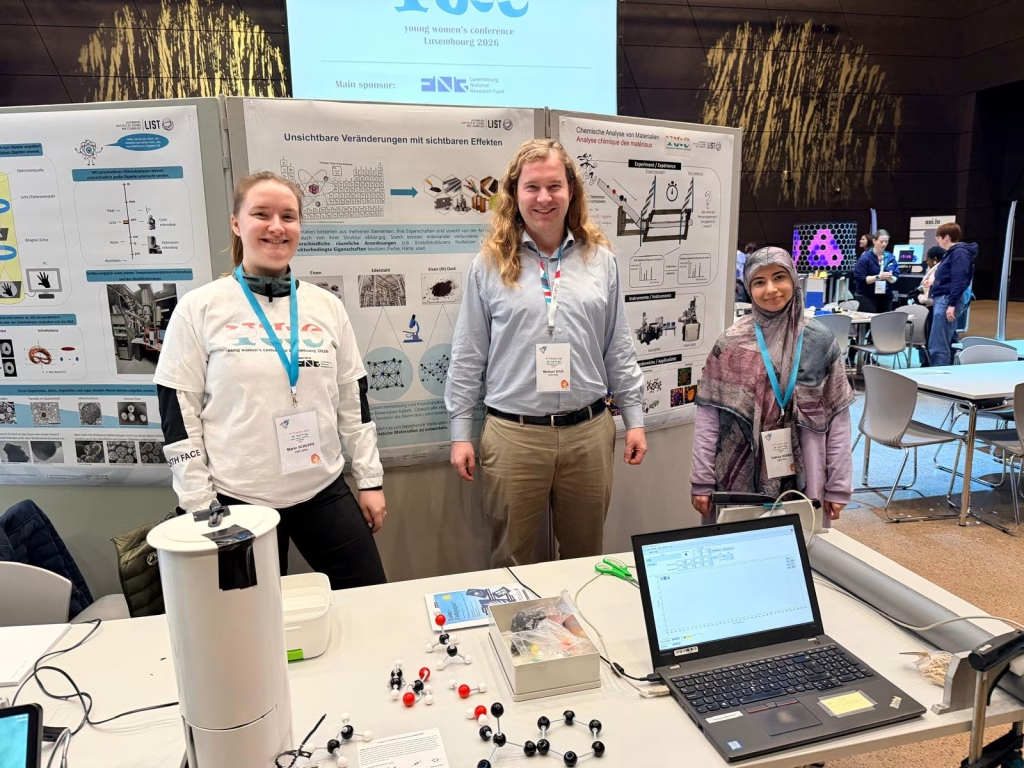
LIST’s Advanced Instrumentation for Nanoanalytics group demonstrated in a booth how microscopy and secondary ion mass spectrometry can be used to investigate the shape, size and chemical composition of materials. These analytical techniques generate valuable data for understanding how materials interact with biological and environmental systems and for investigating their potential toxicity.

Such insights are particularly relevant to SSbD4CheM, which promotes the development of safer and more sustainable chemicals and materials. By supporting the assessment of material properties, potential exposure and safety, advanced analytical methods contribute to the evidence needed to design innovative materials with reduced risks to human health and the environment.

The next edition of the Young Women’s Conference Luxembourg is scheduled for 18 March 2027, continuing its mission to inspire young women and foster a more inclusive and innovative scientific community.

SSbD4CheM_YoungWomenConfLux_LIST

Read More
IMG_20260427_141957900_MFNR

Microplastic workshop for children (27.04.2026, Mol)

As part of its commitment to promoting Safe and Sustainable by Design (SSbD) beyond the scientific community, the SSbD4CheM project recently contributed to an outreach activity aimed at inspiring younger generations.

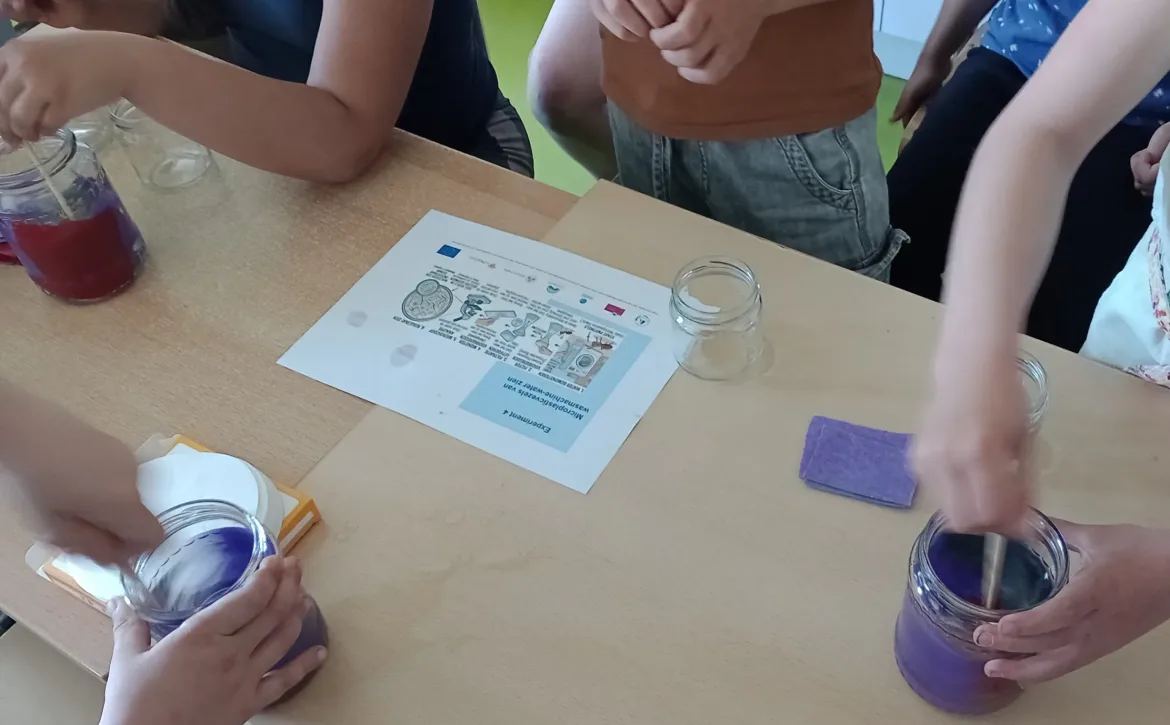
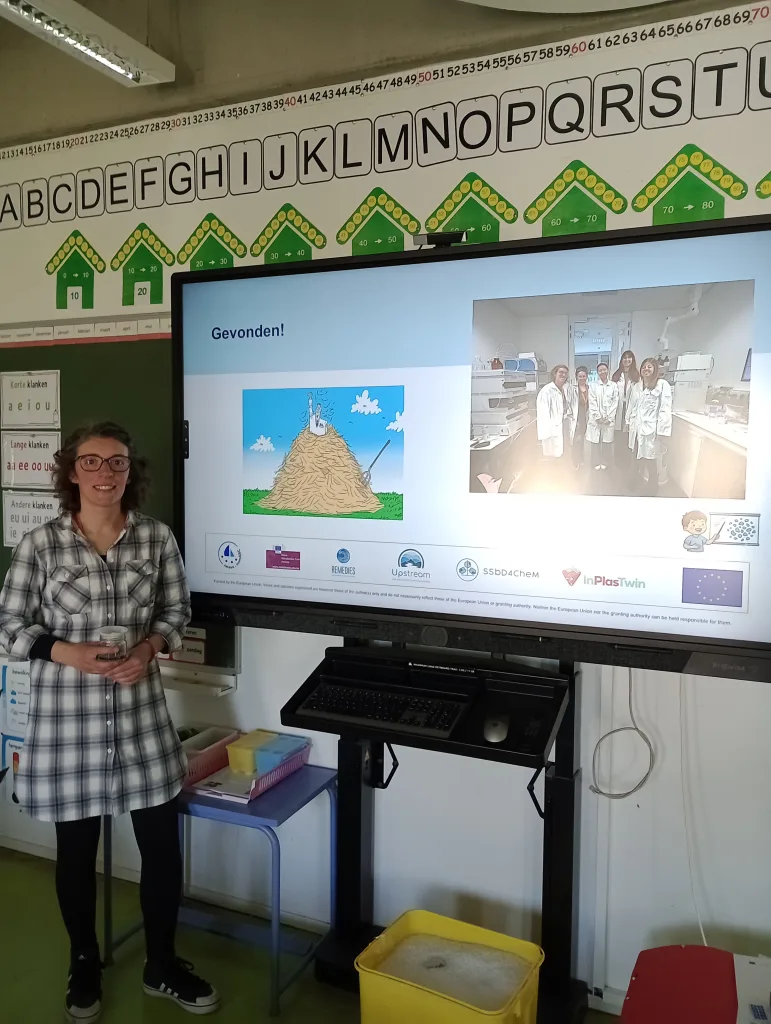
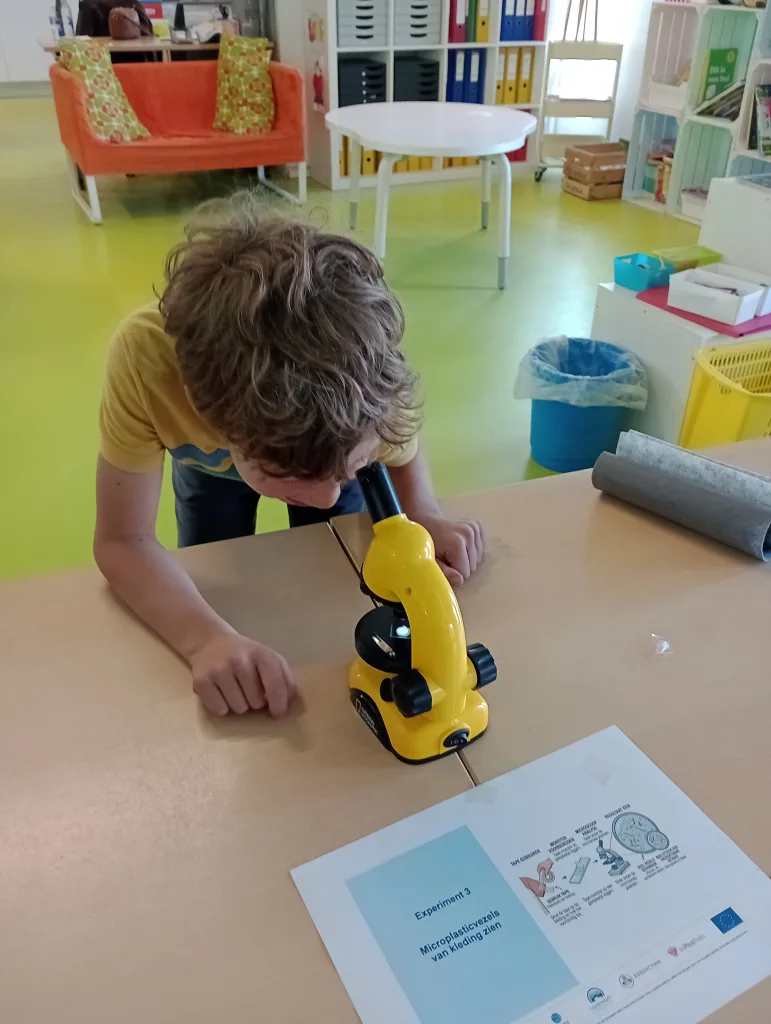
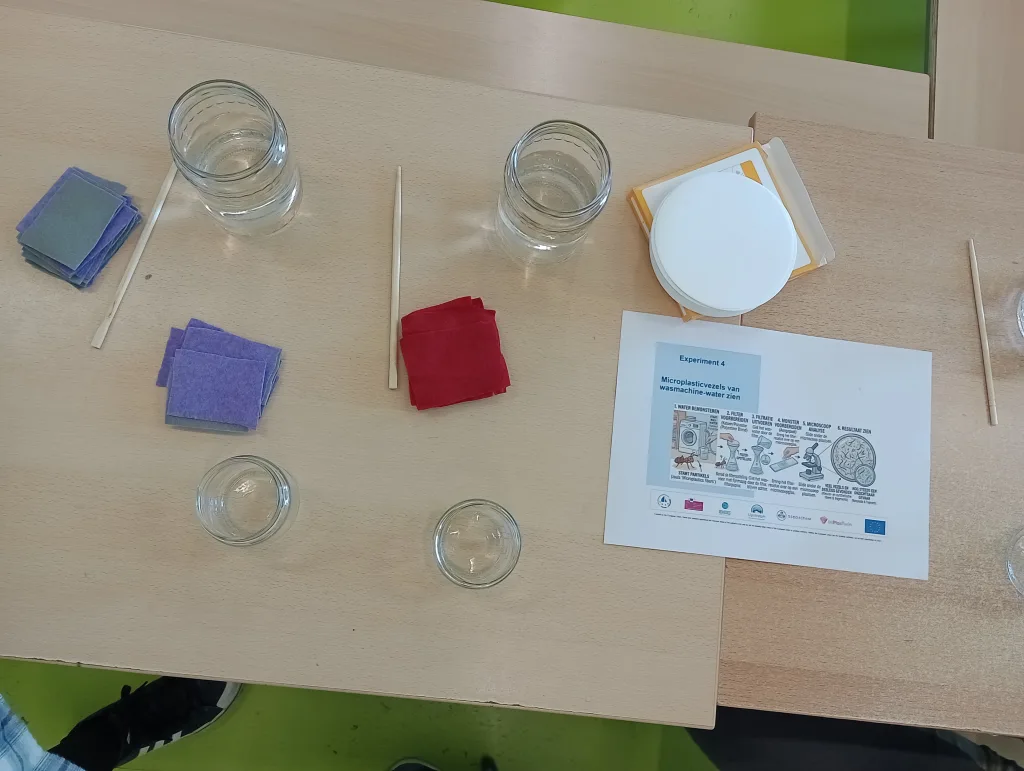
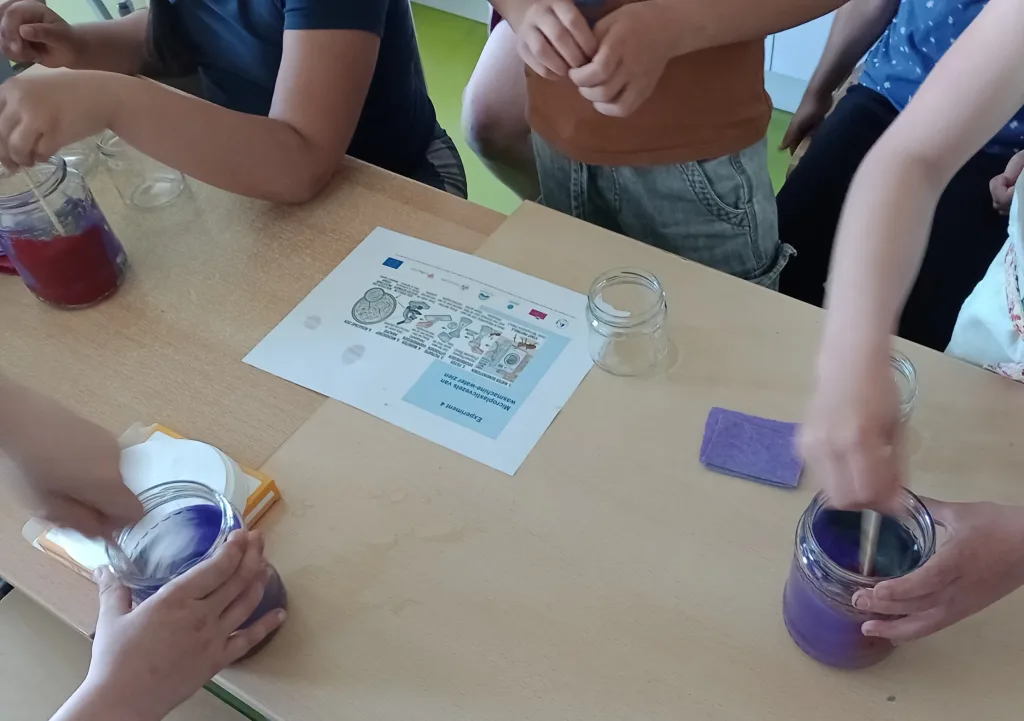
Milica Velimirovic (VITO) organised an interactive workshop on microplastics at a primary school in Mol, Belgium, with a group of 41 kids and 2 teachers. The activity connected scientific research with accessible learning, introducing children to a topic that is increasingly relevant for environmental and human health.

The session combined scientific explanation with hands-on experience, allowing children to explore the topic in an engaging and practical way. It included:

  • A short introduction to the “world of microplastics” 
  • Interactive experiments, including microscopy observations to make the invisible visible
  • A fun quiz to reinforce key learnings

The workshop highlighted how research conducted within SSbD4CheM and other projects VITO is involved (InPlasTwin, REMEDIES, Upstream) contributes to understanding and addressing challenges related to chemical safety and sustainability, including emerging concerns such as microplastics.

Beyond advancing scientific knowledge, SSbD4CheM is committed to raising awareness and fostering dialogue with society. Activities like this play a key role in building early awareness and encouraging curiosity among young people. By bringing science into the classroom, the project helps empower future generations to better understand environmental challenges and contribute to developing sustainable solutions.

Read More
IMG-20240914-WA0011

SSbD4CheM @ Clean Coast Event

On 14 September 2024, as part of Slovenia’s Cleaning Action “Clean Coasts” (Čista obala), linked to the International Coastal Cleanup, our colleagues from the Slovenian’s National Institute of Chemistry (NIC) organized a special workshop “Secrets of Plastic” aimed at raising awareness among young people about plastic pollution and potential solutions. The workshop welcomed children to actively engage in the classification of plastic waste.

Read More
IMG_20240927_184453

SSbD4CheM @ European Researchers’ Night 2024

On Friday, 27 September 2024 BNN joined researchers across Europe for simultaneous public science events in dozens of European cities. In Graz we joined European Researchers’ Night 2024 – Life is Science at the University of Graz RESOWI center – a dynamic venue on the campus of the main university of Graz.

Read More
24_06_07_B

SSbD4CheM @ Scientific and business approaches for effective communication on microplastics and biodiversity

With the objective of give some insight into plastic pollution, solutions, and good practice examples regarding biodiversity (especially water) and how to effectively communicate information among different stakeholders, our colleagues of NIC organised the event “Scientific and business approaches for effective communication on microplastics and biodiversity” on 7 June 2024 in Ljubljana (Slovenia) and hybrid.

Read More
24_06_06_B

SSbD4CheM @ Week of NIC 2024

During the exciting “Week of the National Institute of Chemistry (NIC)“, a series of fascinating science-related events for the general public, our NIC colleagues hosted the workshop Skrivnosti Plastike (Secrets of plastics) workshop on 6 June 2024, in Ljubljana, Slovenia. The event aimed to enlighten the younger generation about plastic pollution, explore potential solutions, and highlight the relevance of the SSbD4CheM project’s cosmetics case study in tackling this issue.

Read More
Event-Lange-Nacht_featured

The Long Night of Research 2024

“Die Lange Nacht der Forschung” (The Long Night of Research) is a biannual event, that takes throughout Austria, offering free access to experience science and research first-hand in all nine federal provinces. You can engage in discussions with researchers, uncover hidden and intriguing aspects of science, and be amazed by what is revealed. It is pitched at the general public and aims to get people more interested in science, inform them about interesting projects happening in their city and also educate them on subjects. It is aimed at all ages with some events specially for children.

Read More
FromMicroToNano

SSbD4CheM @ From Micro to Nano

NANOPLASTICS research is an emerging and critically important area of environmental science, focusing on sources, distribution, and ecological impacts, while also developing more sensitive detection methods, and assessing the toxicity. This multidisciplinary field involves chemists, biologists, ecologists, engineers, and policy makers.

For this reason, several Slovenian organisations and institutes (Institut Josef Stefan, Palatinus, LUI, and CHEMASS) organised on 16 May 2024 the first Slovenian Nanoplastics Research Symposium in Ljubljana and hybrid, entitled “Microplastics fro Breakfast – From Micro to Nano”, to discuss, inform and learn all about nanoplastics research in Slovenia and beyond.

Read More