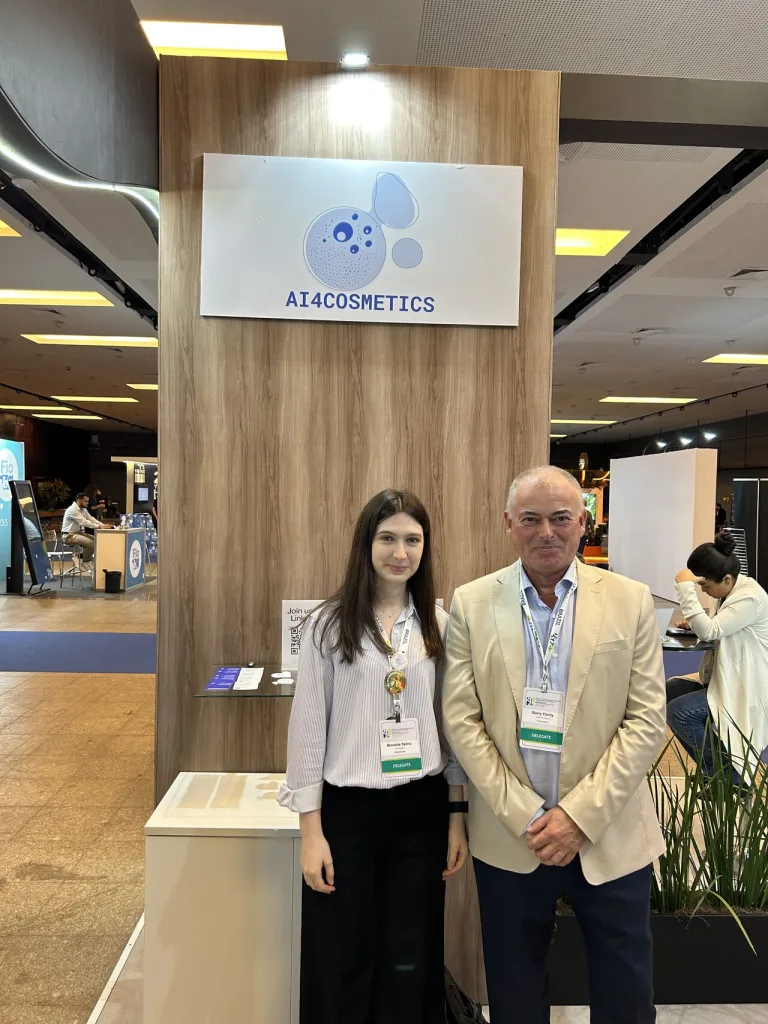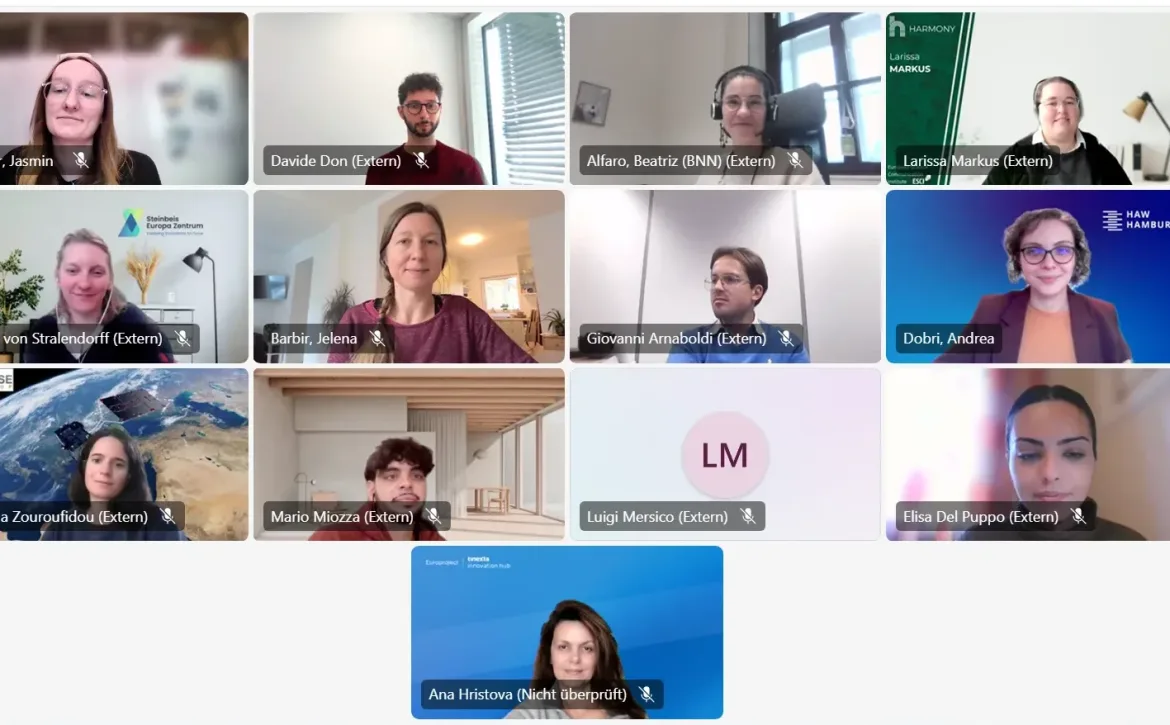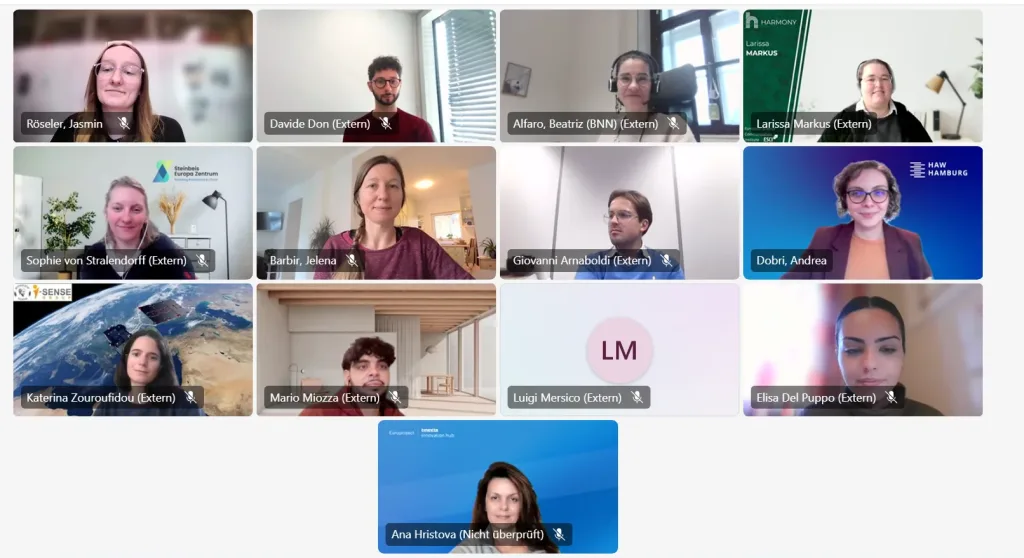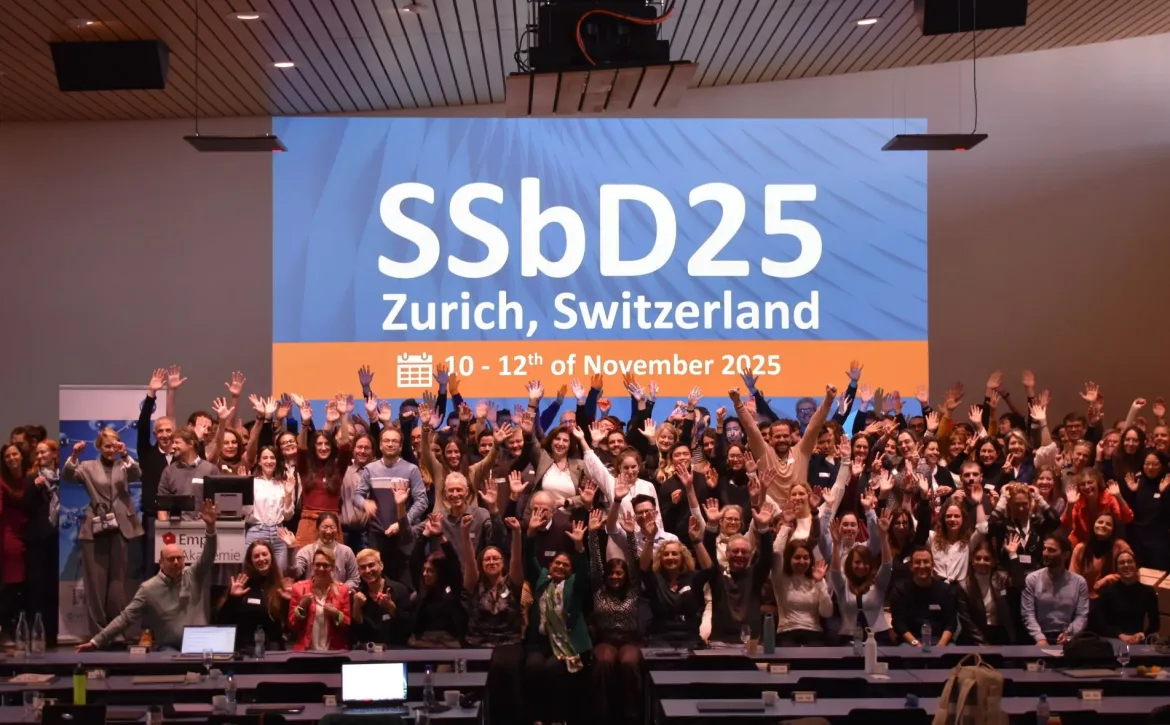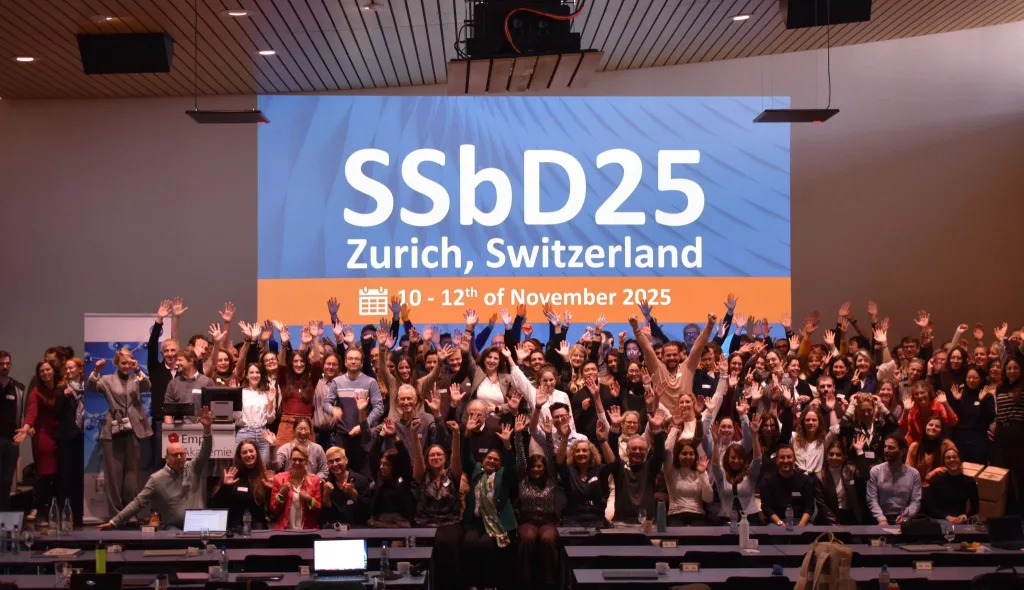
SSbD25_Conference_GroupPicture

SSbD4CheM @ SSbD25 (10-12.11.2025, Zurich)

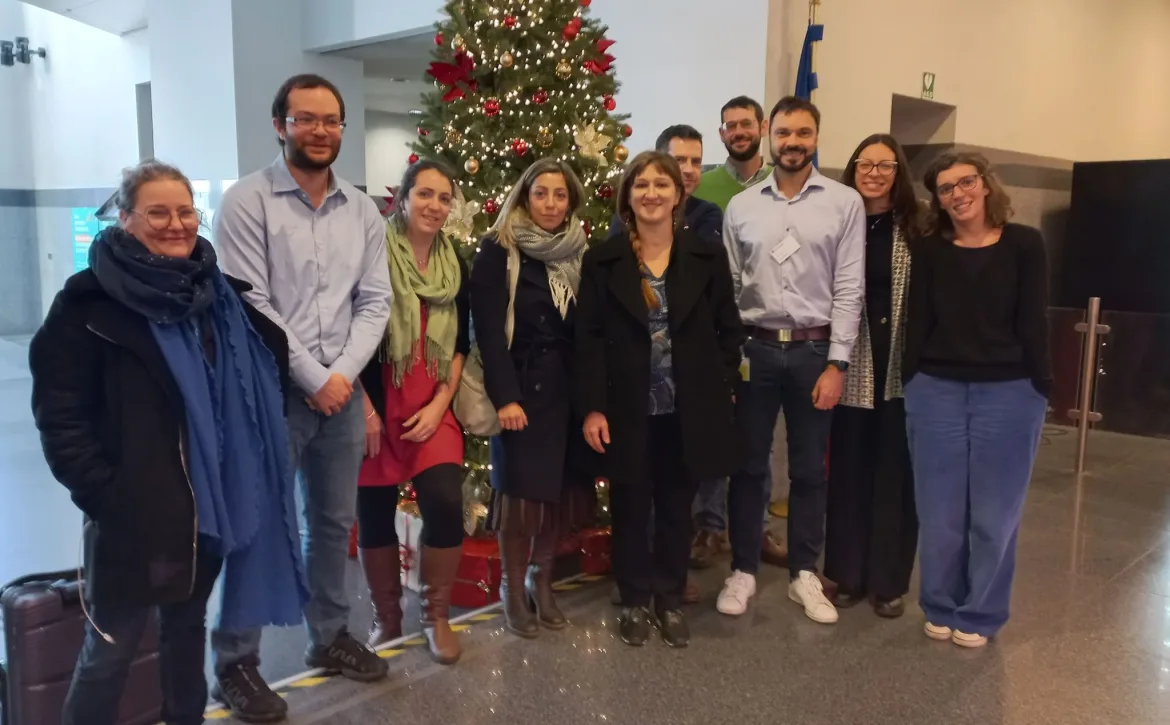
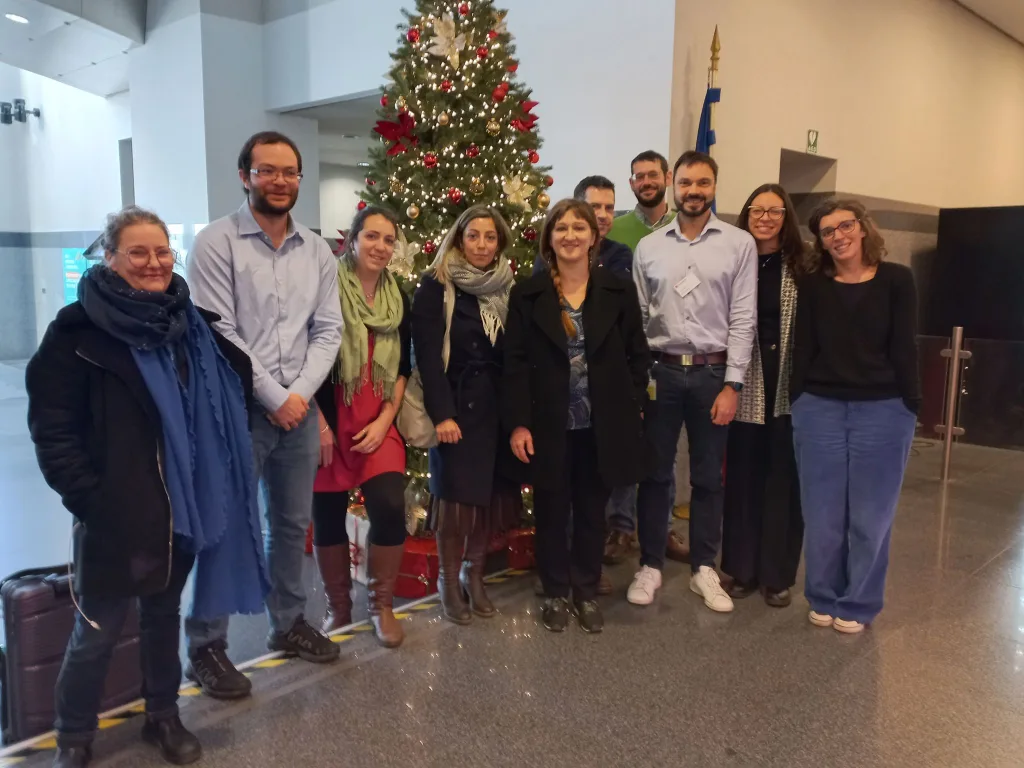
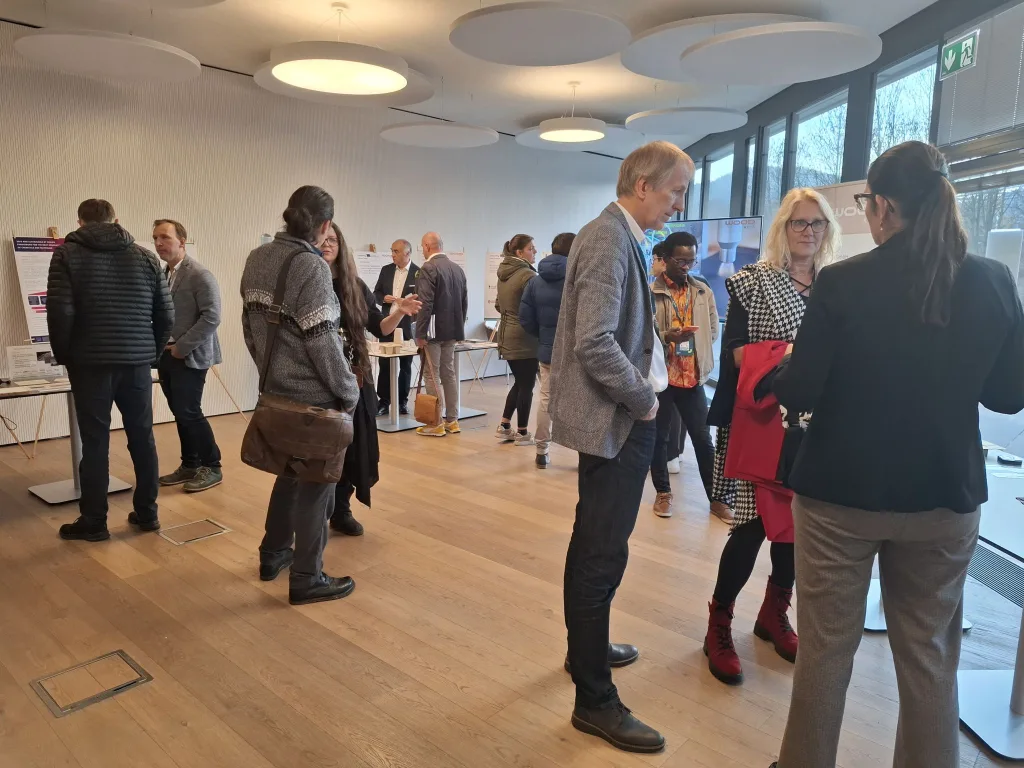
From 10-12 November 2025, Barry Hardy (Edelweiss Connect) and Wouter Gebbink (VITO) attended the 2nd Safe-and-Sustainable-by-Design (SSbD) Conference – SSbD25 in Zurich, Switzerland. The event, organised by IRISS project – the International SSbD Community – and Empa, brought together researchers, industry representatives, and policymakers to exchange knowledge and advance the implementation of SSbD principles across sectors.

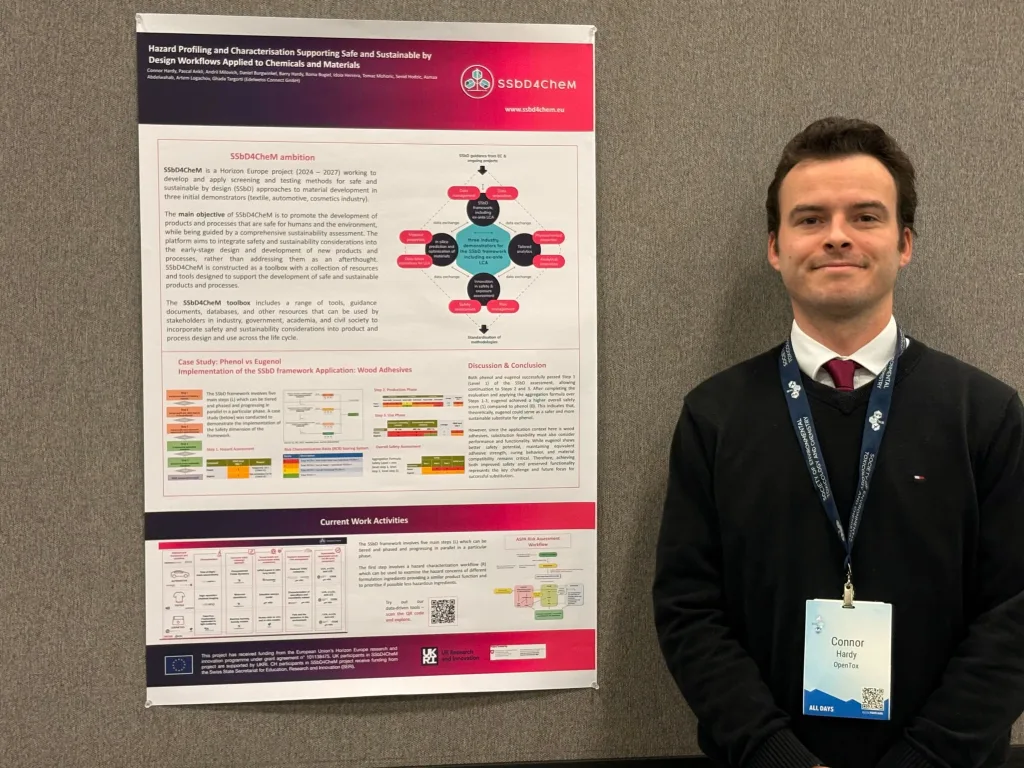
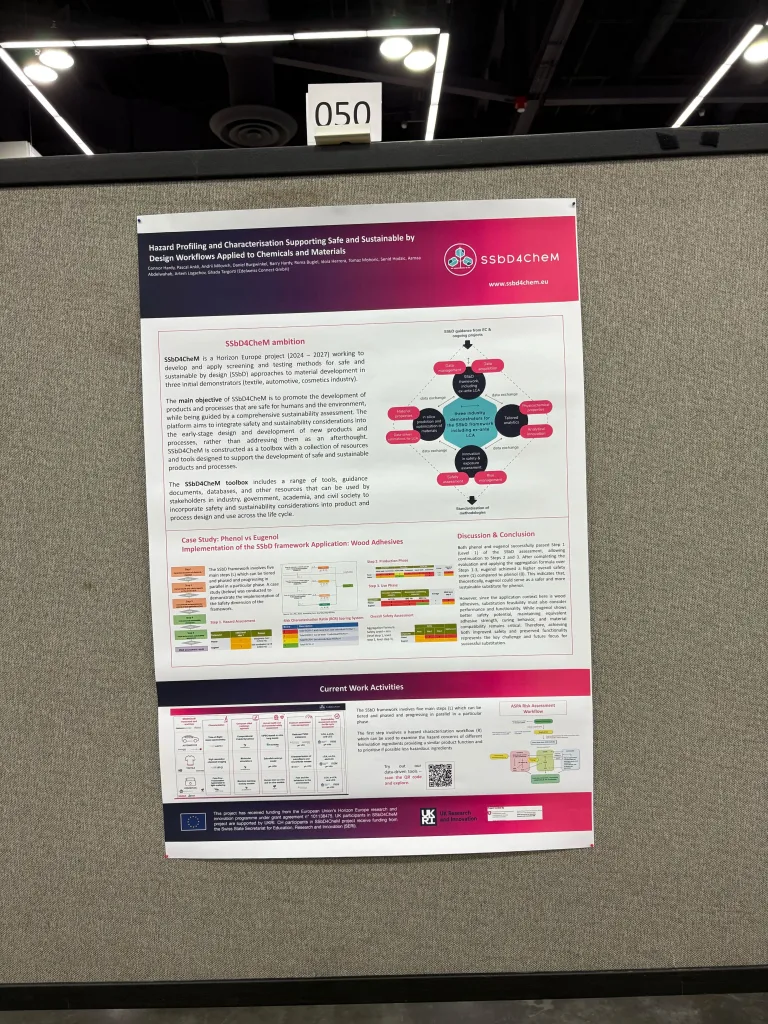
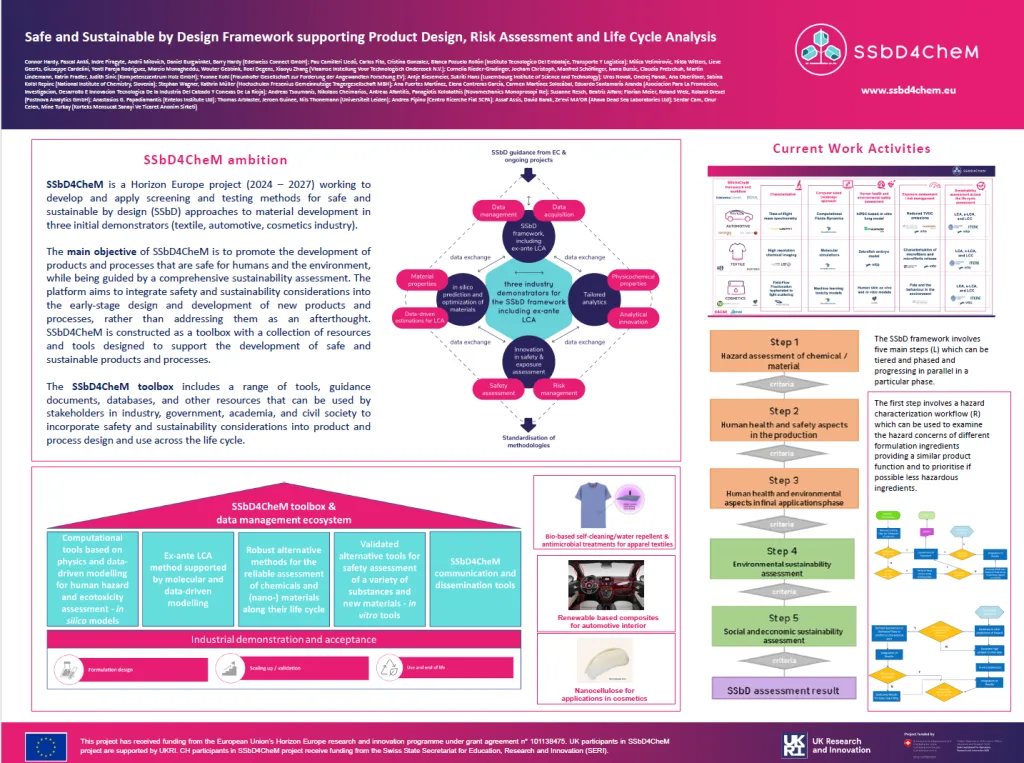
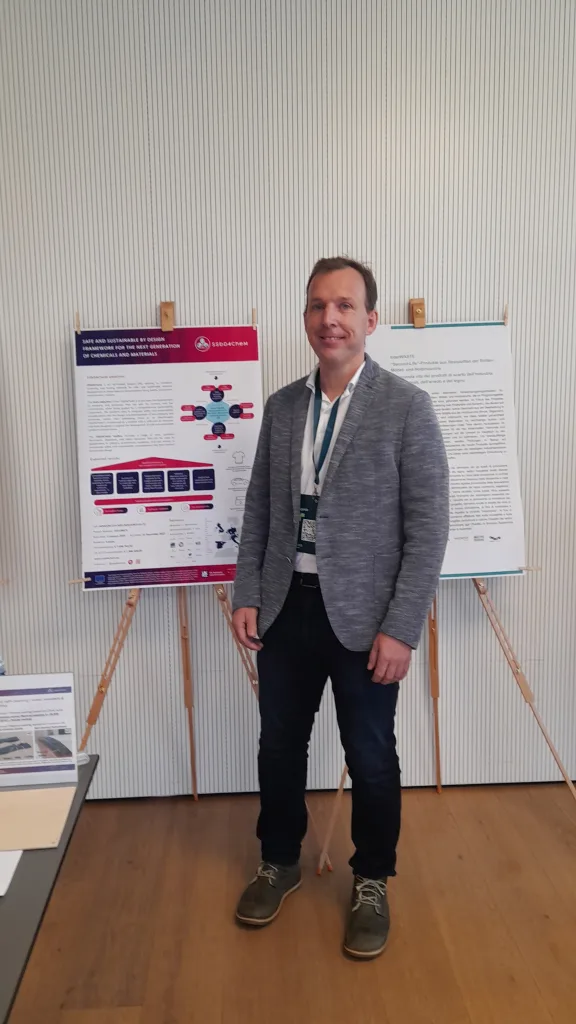
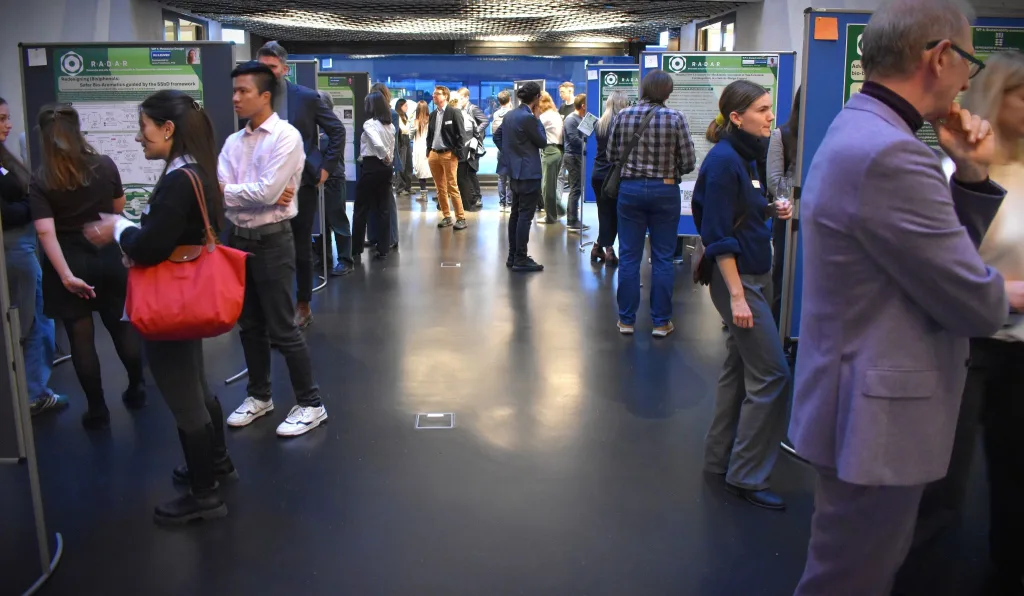
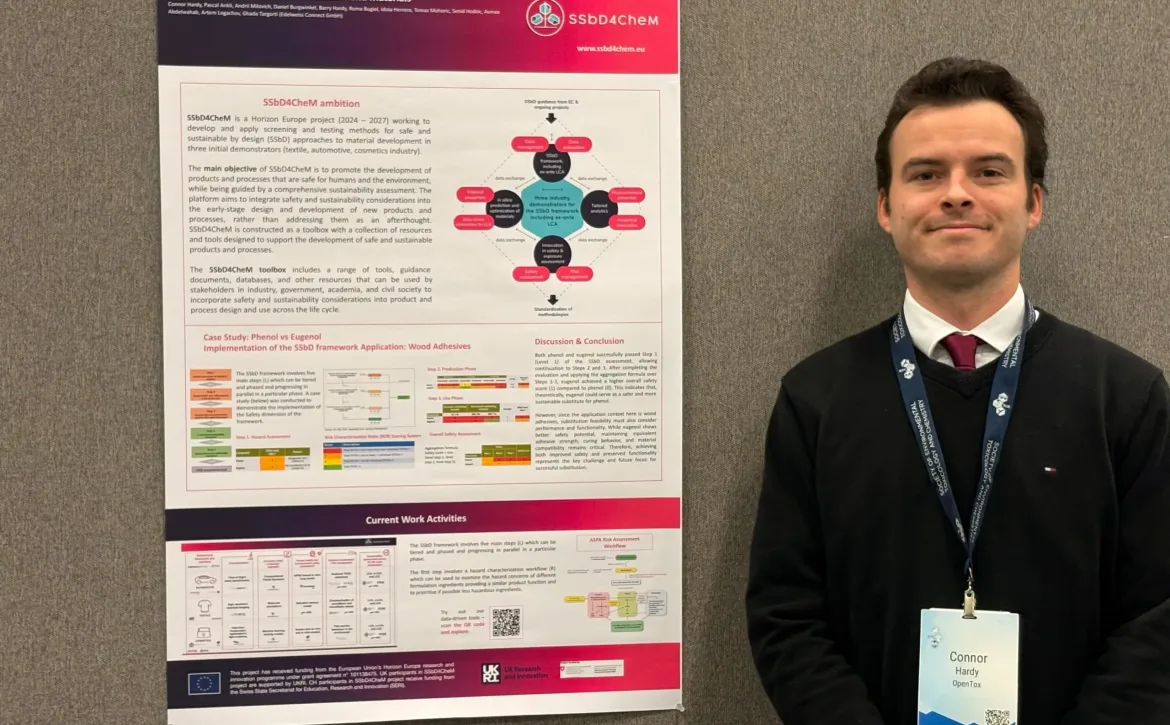
During the conference, Wouter Gebbink presented a poster explaining the work performed in the project exploring renewable wood plastic composites (WPCs), as sustainable alternatives to conventional polypropylene (PP) with talc used in car interior trims, to reduce Total Volatile Organic Compounds (TVOCs) emissions
compared to PP interior trims and assure no risk to human health. DOI: 10.5281/zenodo.17607096.

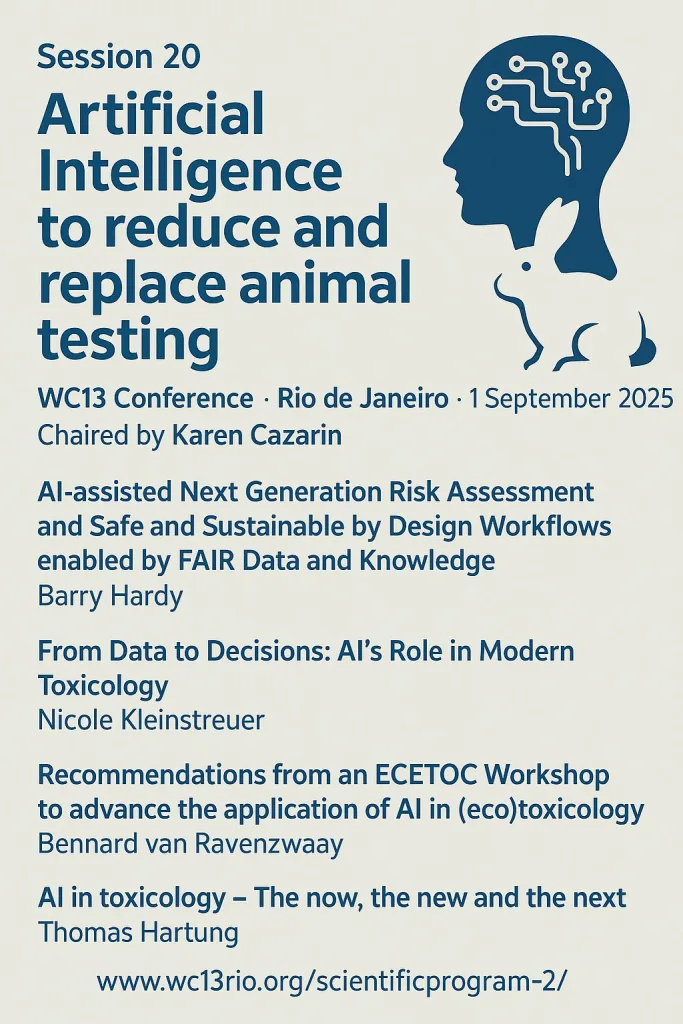
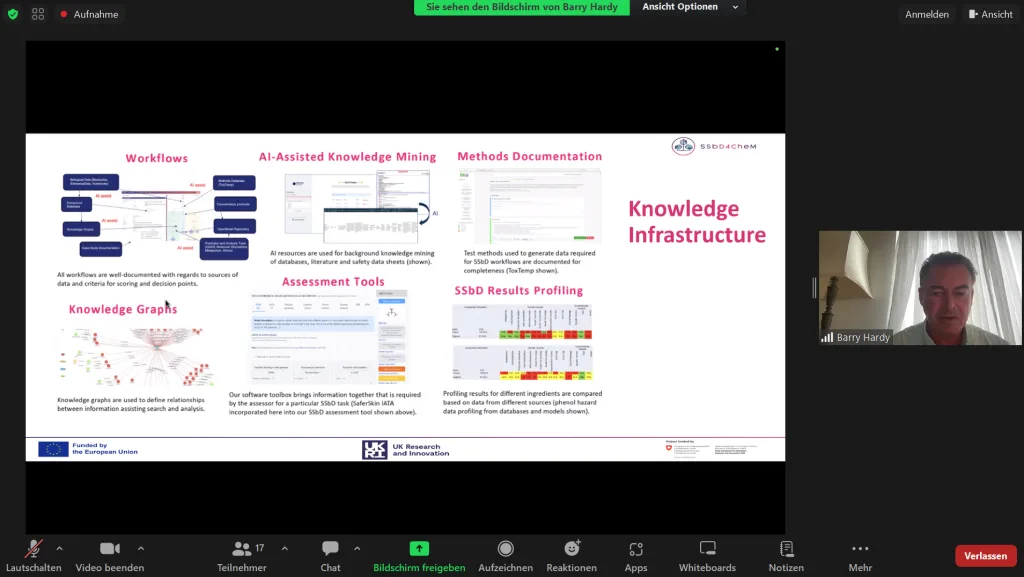
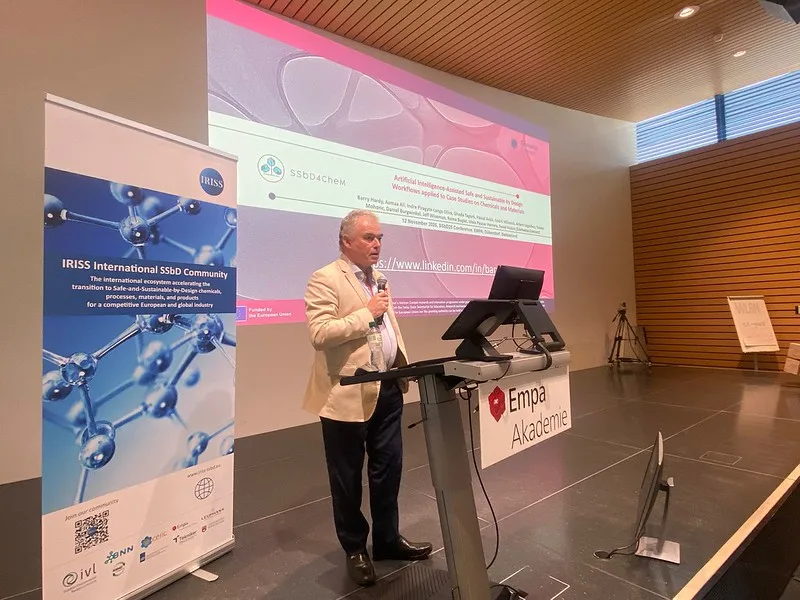
Barry Hardy gave an oral presentation which explored how Artificial Intelligence (AI) and data science enhance SSbD workflows. It showcased the case studies of the project, including cosmetics, PFAS-free coatings, biopolymers, bio-sourced chemicals, and graphene. The work demonstrated how AI-assisted tools support early-stage innovation by integrating existing data, models, and knowledge into risk identification, hazard profiling, and decision-making. By leveraging evidence-weighting and uncertainty scoring, the approach enables more ethical, accurate, and comprehensive assessments. The presentation highlighted methodologies, tools, and recommendations for addressing data gaps and strengthening SSbD practices. The presentation is available here.

It was a great opportunity to meet the broader SSbD community, share insights, and discuss the path forward towards sustainable innovation.

A big thank you to the organisers for an great event and for giving us the chance of attending – we’re already looking forward to next year’s edition!

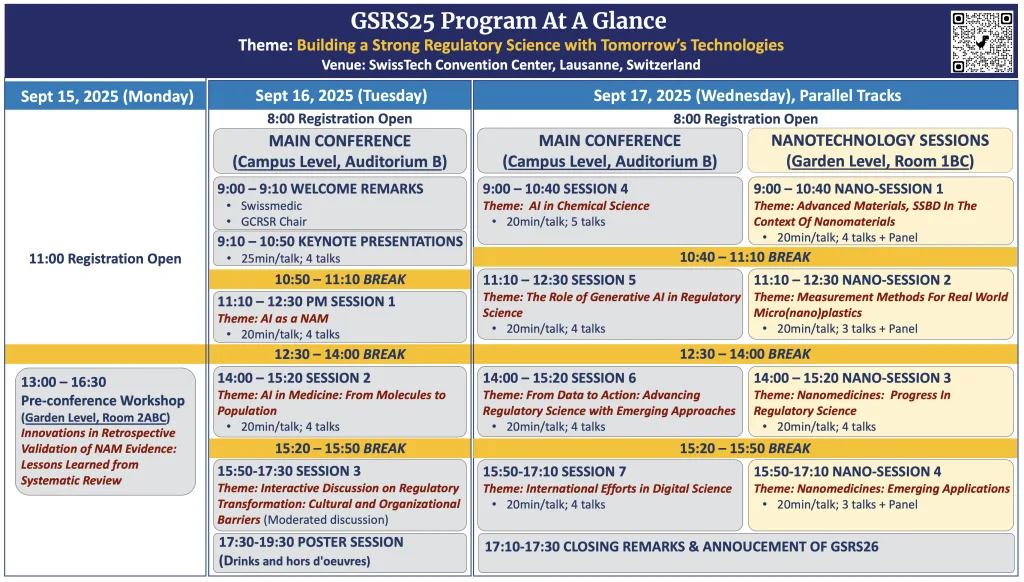
The conference programm is available here.

SSbD25_Conference_GroupPicture
SSbD4CheM_SSbD25_BarryHardy

Read More
EuMINe_TrainingSchool2025 (2)

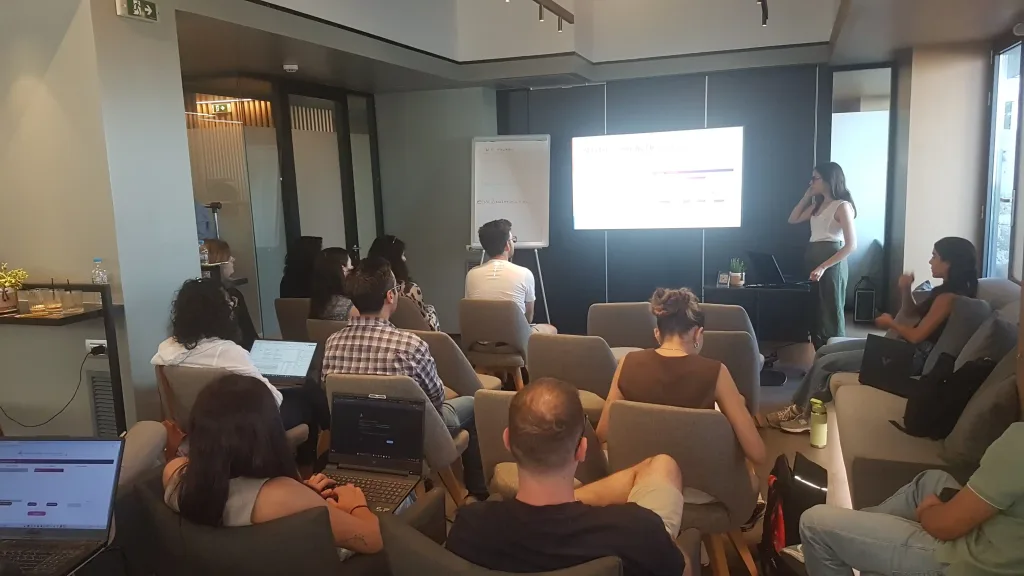
SSbD4CheM @ EuMINe Training School 2025 (19-20 June 2025, Athens)

The EuMINe Training School 2025 offered a dynamic event in Athens and brought together 44 participants from across academia, research, industry, and public institutions to strengthen expertise in advanced digital tools for materials development and drug discovery.

During the 2-days school (19 and 20 June 2025) the event focused on equipping scientists with practical skills to integrate design of experiments, machine learning, and multiscale simulations using state-of-the-art software tools and platforms. Participants were trained to use different software tools (i.e., Isalos Analytics Platform, Asclepios KNIME nodes), ans well as platforms (i.e., Enalos Cloud Platform, and Eos Cloud Platform) to accelerate innovation in advanced materials and chemical safety. The programme emphasized hands-on learning and real-world applications, empowering researchers to harness digital technologies for sustainable and safe-by-design development.

The training attracted representatives from leading institutions and organizations including NovaMechanics, Entelos, National Centre for Scientific Research Demokritos, Hellenic Navy, National Technical University of Athens, Democritus University of Thrace, Hellenic Army Academy, National Hellenic Research Foundation, Luxembourg Institute of Science and Technology, CNR-ISMN, Bandırma Onyedi Eylül University, and University of Bologna. This diverse representation fostered cross-sector dialogue and strengthened collaboration between institutions.

The event was organised by NovaMechanics, represented by Panagiotis Kolokathis, Dimitra Danai Varsou, and Konstantinos Papavasileiou, who played an active role both in coordination and scientific delivery.

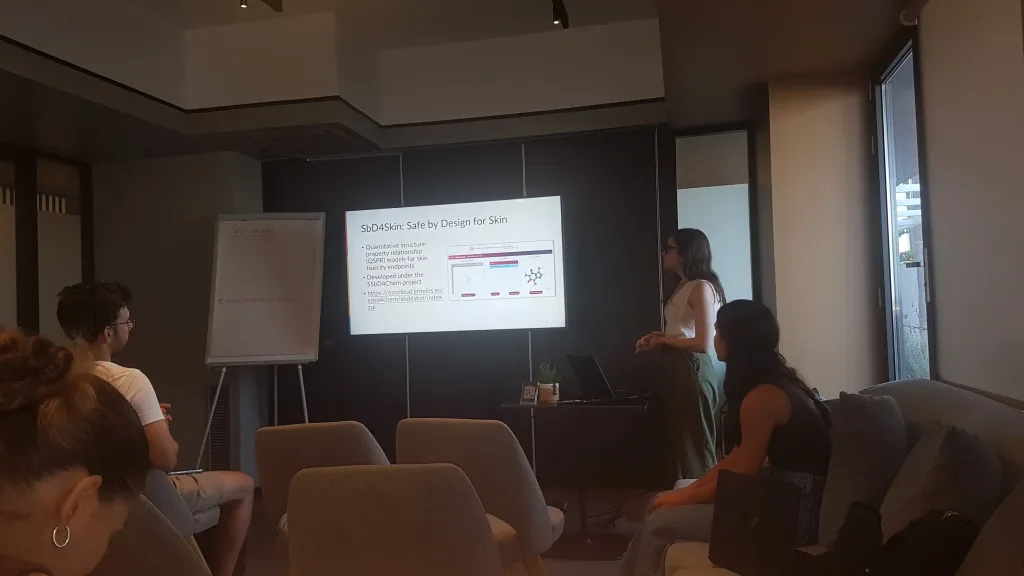
An oral presentation titled EosCloud: A Platform for Sustainable and Safe Chemical Innovation and Materials Informatics Powered by Enalos Cloud Platform Tools highlighted how cloud-based infrastructures can support safe and sustainable by design (SSbD) strategies. The presentation also showcased the Sbd4Skin and HydroNanoConstruct web tools, demonstrating their potential to streamline chemical innovation while embedding safety and sustainability considerations from early development stages.

The project’s active participation ensured strong visibility of its digital tools and reinforced its mission to promote safe and sustainable chemical and materials innovation.

As a result of the training, scientists gained practical expertise to drive materials innovation using cutting-edge digital platforms, advanced algorithms, and data-driven methodologies. The event further strengthened the growing community working at the intersection of materials informatics, machine learning, and safe-by-design approaches.


Program and more information available here.

Read More
SSbD4CheM_MicromedConference20251019-22_Ischia

SSbD4CheM @ µMED 2025 (19-22.10.2025)

The 4th edition of the International Conference on Microplastic Pollution in the Mediterranean Sea (µMED 2025) took place in Ischia, Italy, from 19–22 October 2025.

The conference brought together experts from diverse disciplines, including the scientific and industrial sectors, policy makers and environmental organizations, to explore all aspects of micro- and nanoplastic pollution, offering a valuable opportunity to share the latest developments, highlight recent advancements, and identify innovative materials, technologies and strategies to detect and mitigate this pressing environmental challenge.

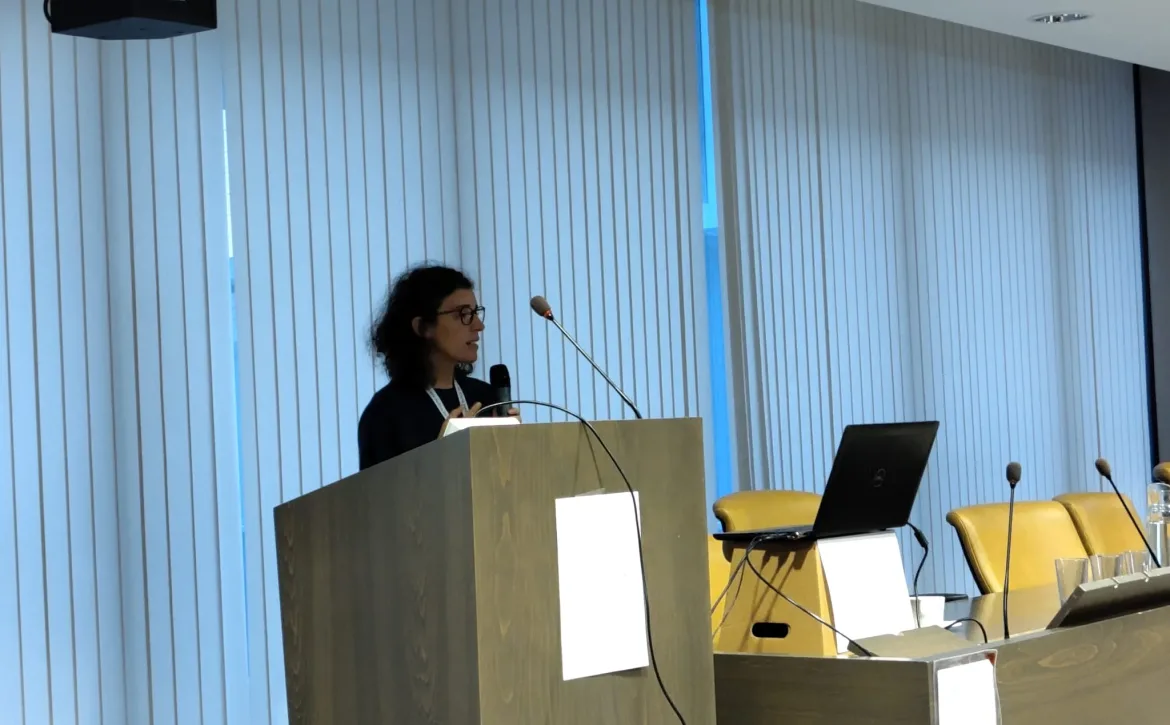
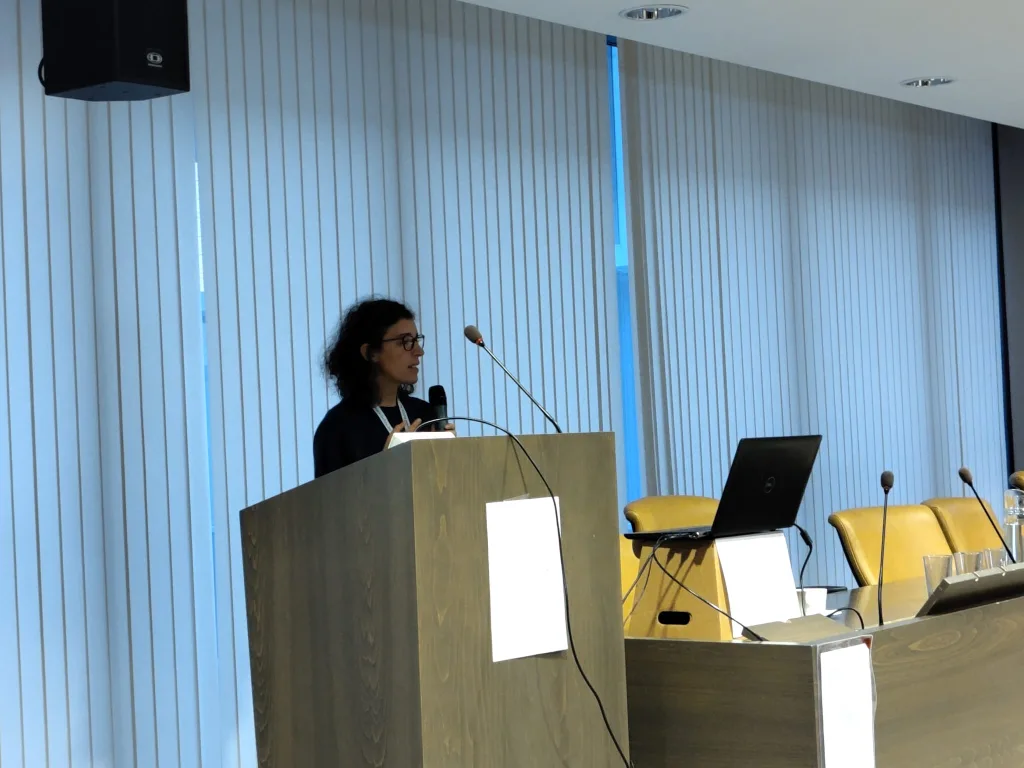
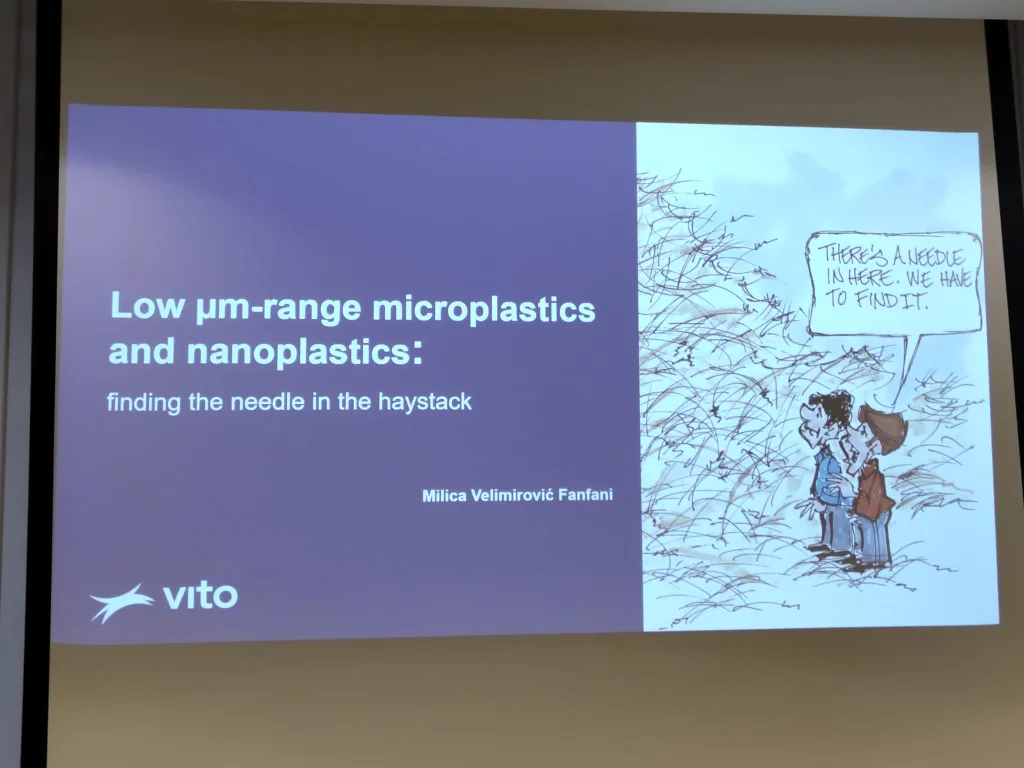
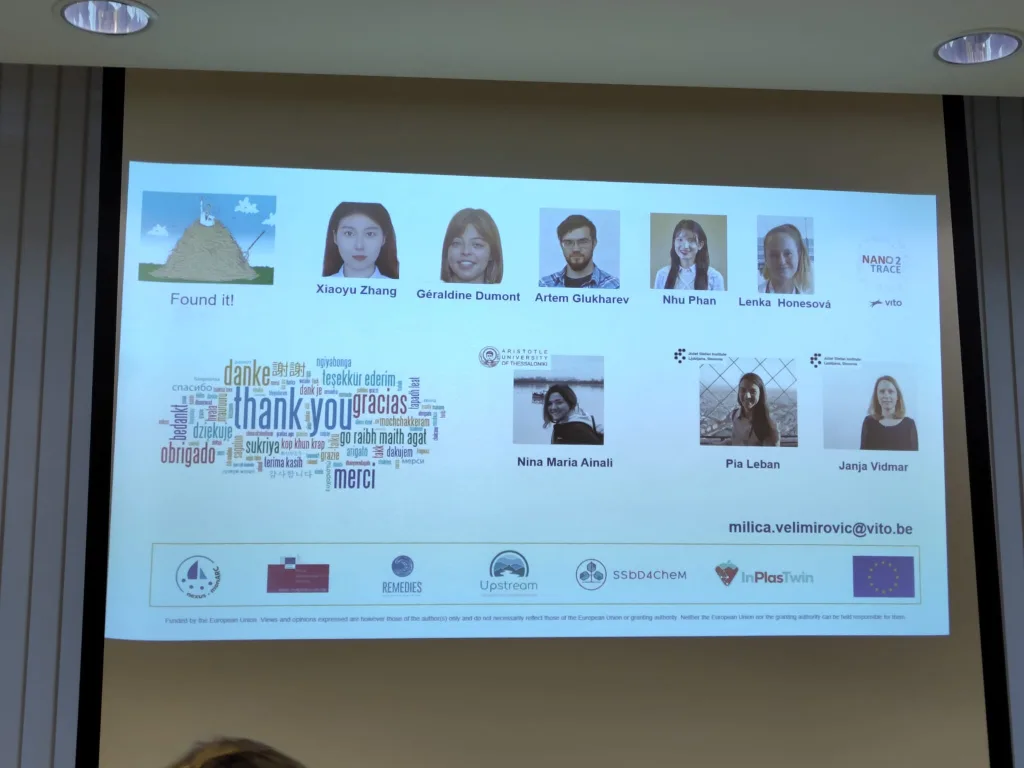
On October 20th, approx. 130 participants from reasearch and industry stakeholders joint Milica Velimirovic‘s (VITO) oral presentation. Under the title “Progress in analytical strategies for micro- and nanoplastics detection and characterisation“, Milica shared the work in SSbD4CheM’s textile study from microfibers release. 

µMED 2025 once again proved to be a valuable platform for knowledge exchange and collaboration, driving forward the scientific understanding and mitigation of microplastic pollution in marine environments.

Final Programme available here.

Book of abstracts available here.

SSbD4CheM_MicromedConference20251019-22_Ischia

Read More
SENTIATECH_SSbD4CheM_4

SSbD4CheM @ 1st SENTIATECH Congress (21–22.10.2025)

The 1st SENTIATECH Congress took place in Valencia (Spain) on 21–22 October 2025. The two-day event focused on “Detection, Measurement and Control of Emerging Risks”, highlighting specially emerging chemicals (such as PFAS and micro/nanoplastics), sensor technologies, and Safe-and-Sustainable-by-Design (SSbD).

The congress aimed to foster cross-sector collaboration, facilitate knowledge exchange, and accelerate the implementation of innovative solutions for managing risks related to the environment, human health, and materials/manufacturing.

Approximately 200 participants attended, mainly from the research and scientific community, along with industry representatives, regulatory partners, and local authorities who joined during the closing session.

SSbD4CheM participated in this particularly relevant event, as it closely aligned with the project’s objectives, addressing innovative techniques for detecting and assessing contaminants. Fruela Pérez and Pau Camilleri, from ITENE, delivered an oral presentation introducing the project. Their talk focused on how Steps 4–5 of the SSbD framework are integrated into the project’s activities. Their presentation entitled “Embedding Sustainability: How LCA Shapes the SSbD4CheM Approach” is available under DOI: 10.5281/zenodo.17426621.

Outcomes of participation included:

  • Increased visibility and recognition of the project
  • Strengthened networking and collaboration opportunities
  • Knowledge exchange and constructive feedback from peers
  • Contribution to the project’s dissemination and impact goals
 
Some impressions of the congress:
SENTIATECH_SSbD4CheM_4

Read More
20251015_Screenshot_PARCmeeting_WOOD

SSbD4CheM’s automotive case study presented at PARC meeting in Oct.2025

In October 2025 (concretelly on Oct. 15th), Ivana Burzic, from Wood K plus, presented SSbD4CheM’s automotive case study at a dedicated meeting on the PARC project (European Partnership for the Assessment of Risks from Chemicals).

In her presentation, Ivana highlighted the safety (emissions) and sustainability (recycled materials, cellulosic fillers) goals of this case study on renewable based composites (WPC) with optimized TVOC emissions and odor for automotive car interior trims, as well as how the project is implementing all 5 steps of the SSbD framework. The presentation also covered different tests performed like weathering and TVOC emissions, before and after weathering tests, to ensure a safer production and application of the composites developed within the project, covering different cellulosic materials. The presentation also included LCA results.

The online meeting gathered PARC partners and European Commission Joint Research Centre (JRC) representatives to exchange experiences and contribute to building the EU SSbD toolbox. This collaborative effort supports a harmonised European approach to safer and more sustainable chemical assessments, enhancing environmental and health protection.

Demonstrating cross-project commitment to SSbD principles, Ivana also presented BIO-SUSHY’s food tray packaging as a case study, highlighting the PFAS-free, bio-based coatings that embody safety and sustainability principles from the very beginning of development.

This engagement underscores SSbD4CheM’s active participation in the European SSbD community and reinforces its position as a reference point for sustainable materials innovation.

The presentation is publicly available under DOI: 10.5281/zenodo.17403579 (Creative Commons Attribution 4.0 International license).

20251015_Screenshot_PARCmeeting_WOOD

Read More
GroupPic_VeniceTraining School2025

Recap Venice Training School 2025

The Safe-and-Sustainable-by-Design (SSbD) concept starts at the very earliest stages of the design process – so why not plant the seeds early with the researchers and consumers of the future?

Read More
Launch of SbD4Skin

Launch of SbD4Skin: A New AI Tool for Safer Chemicals

On 11th June 2025, the SSbD4CheM project hosted a stakeholder outreach webinar titled “Practical Application and Case Studies in Industrial Safe and Sustainable by Design”. The webinar brought together researchers and industry experts for the project to explore the practical implementation of the Safe and Sustainable by Design (SSbD) framework, with a strong focus on real-world industrial applications. 

Read More
QSAR2025

SSbD4CheM @ QSAR 2025

The SSbD4CheM project was featured at the 21st International Workshop on QSAR in Environmental and Health Sciences (QSAR 2025), held from 3 to 6 June 2025 in Milan, Italy. Hosted at the Mario Negri Institute, the event brought together around 100 participants from research, industry, and regulatory organisations.

QSAR 2025 served as a key platform for discussing the latest advances in in silico toxicology, with a strong focus on QSAR modelling, read-across approaches, and New Approach Methodologies (NAMs). The workshop highlighted how these computational tools support chemical safety assessment within frameworks like Safe and Sustainable by Design (SSbD) and regulatory initiatives such as REACH and CLP.

The programme included keynote contributions from prominent institutions such as OECD, ECHA, and EFSA, alongside hands-on sessions, and poster discussions that fostered knowledge exchange and collaboration among participants.

Cristina Sánchez Ferri, from SSbD4CheM partner ITENE, contributed to the conference through a poster presentation entitled “Automated hazard assessment pipeline for SSbD: Integrating bibliographic and QSAR predicted data for safety assessment”, presented in the session “(Q)SARs for screening, prioritization and data gap filling”. The work presented an automated Python-based pipeline designed to streamline hazard assessment in line with the SSbD framework. By integrating existing bibliographic data with QSAR predictions, the tool enables efficient data gap filling, prioritisation of substances for testing, and improved data consistency and traceability. A novel Consistency Index was introduced to assess the reliability of the aggregated data, enhancing transparency and robustness in decision-making processes.

The participation of SSbD4CheM in QSAR 2025 was highly relevant, as the methodologies and workflows developed within the project are closely aligned with the conference themes, particularly in the application of computational tools for regulatory and sustainability purposes.

The workshop provided valuable insights into current trends, challenges, and best practices in QSAR modelling and its regulatory applications. It also offered opportunities for networking and future collaboration, reinforcing the importance of harmonisation, transparency, and validation in computational toxicology.

Through its presence at QSAR 2025, the SSbD4CheM project continues to strengthen its contribution to the development and implementation of innovative in silico approaches supporting the transition towards safer and more sustainable chemicals.

Read More
Pic1_Starting

Recap of the SSbD4CheM External Stakeholder Webinar on 11 June 2025

On 11th June 2025, the SSbD4CheM project hosted a stakeholder outreach webinar titled “Practical Application and Case Studies in Industrial Safe and Sustainable by Design”. The webinar brought together researchers and industry experts for the project to explore the practical implementation of the Safe and Sustainable by Design (SSbD) framework, with a strong focus on real-world industrial applications. 

Read More
BNN-News_EUIndTech2025_RoundTable

SSbD4CheM @ EUIndTech2025

EUIndTech2025 is the new EU flagship event, in which the two cyclical events, “Conference on Industrial Technologies” and “EuroNanoForum” are merged. This year it was done during the Polish presidency of the EU Council in Krakow, Poland.

Read More