
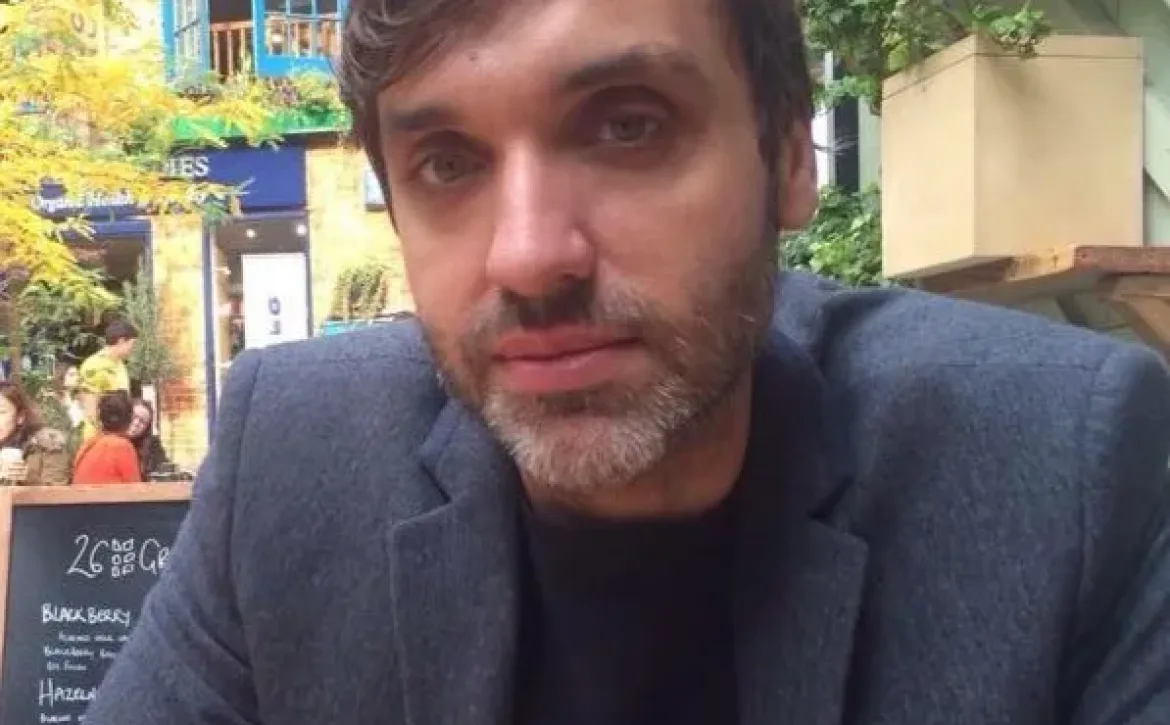
WP Leaders interview series: Tassos Papadiamantis (Entelos Institute)
- Tassos Papadiamantis
Senior Scientist at Entelos Institute“In SSbD4CheM, we bring computational tools into safe and sustainable design, enabling early, data-driven decisions before materials reach the lab. By combining AI, predictive modelling and lifecycle estimation, we create an iterative loop between models and experiments, helping industry and regulators assess safety, performance and environmental impact even for materials that do not yet exist.”
WP Leaders interview series: Yvonne Kohl (Fraunhofer IBMT)
- Yvonne Kohl
Senior Scientist at Fraunhofer Institute for Biomedical Engineering (IBMT)“We’re building integrated, human-relevant model systems that mimic key exposure routes like skin, lung and gut, rather than isolated test methods. By combining advanced in vitro approaches with real-life scenarios and validating them across laboratories, we close the gap to application—reducing animal testing and enabling practical, safe-by-design solutions for industry and regulators.”
WP Leaders interview series: Barry Hardy (EwC)
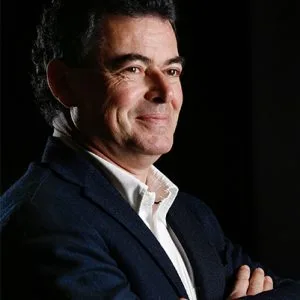
- Barry Hardy
CEO at Edelweiss Connect and Founder of SaferWorldbyDesign“By integrating FAIR data, mechanistic knowledge, and AI-assisted workflows, we are transforming fragmented scientific evidence into predictive, transparent, and reusable knowledge—empowering industry to design safer and more sustainable chemicals and materials from the earliest stages of innovation, while building the foundation for future regulatory acceptance.”
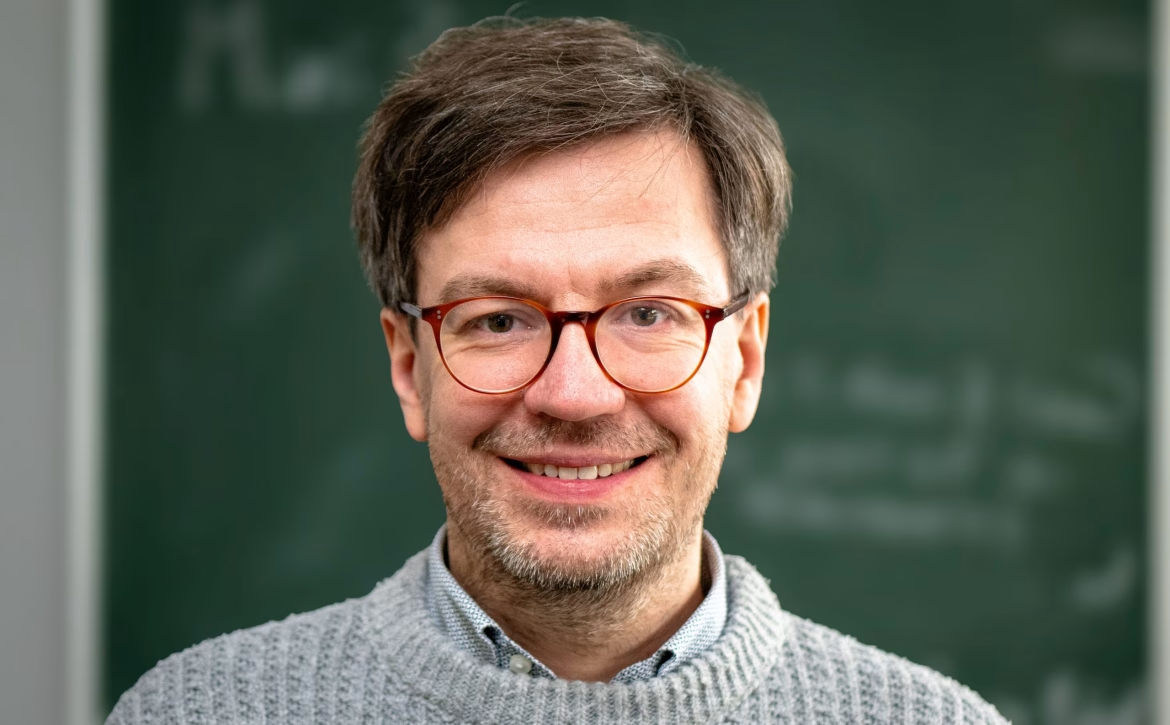
WP Leaders interview series: Stephan Wagner (HSF)

- Stephan Wagner
Professor for Environmental Analysis at Fresenius University of Applied Sciences (Hochschule Fresenius)“What excites me most about our work in SSbD4CheM is how closely we connect advanced analytical science with real-world applications. We're not only developing innovative methods, but we’re also making them practical and accessible for industry – helping shape safer, more sustainable products from the lab bench to the marketplace.”

WP Leaders interview series: Fruela Pérez Sánchez (ITENE)
SSbD4CheM project was included in the latest BNN QUARTERLY 04/2024 (December 2024).

WP Leaders interview series: Ivana Burzic (Wood K plus)


- Ivana Burzic
project leader at Wood K plus“To fully exploit the benefits of innovative materials, we must prioritise safety alongside sustainability, integrating both as early as possible in the development process.”

WP Leaders interview series: Wouter Gebbink (VITO)
SSbD4CheM project was included in the latest BNN QUARTERLY 04/2024 (December 2024).