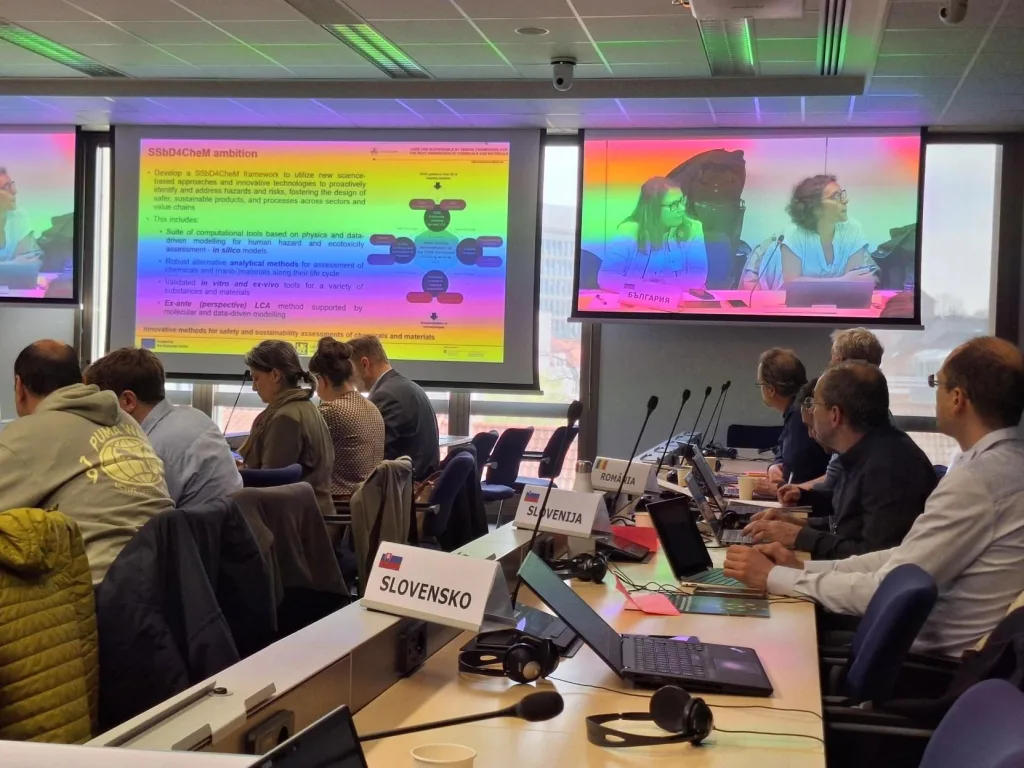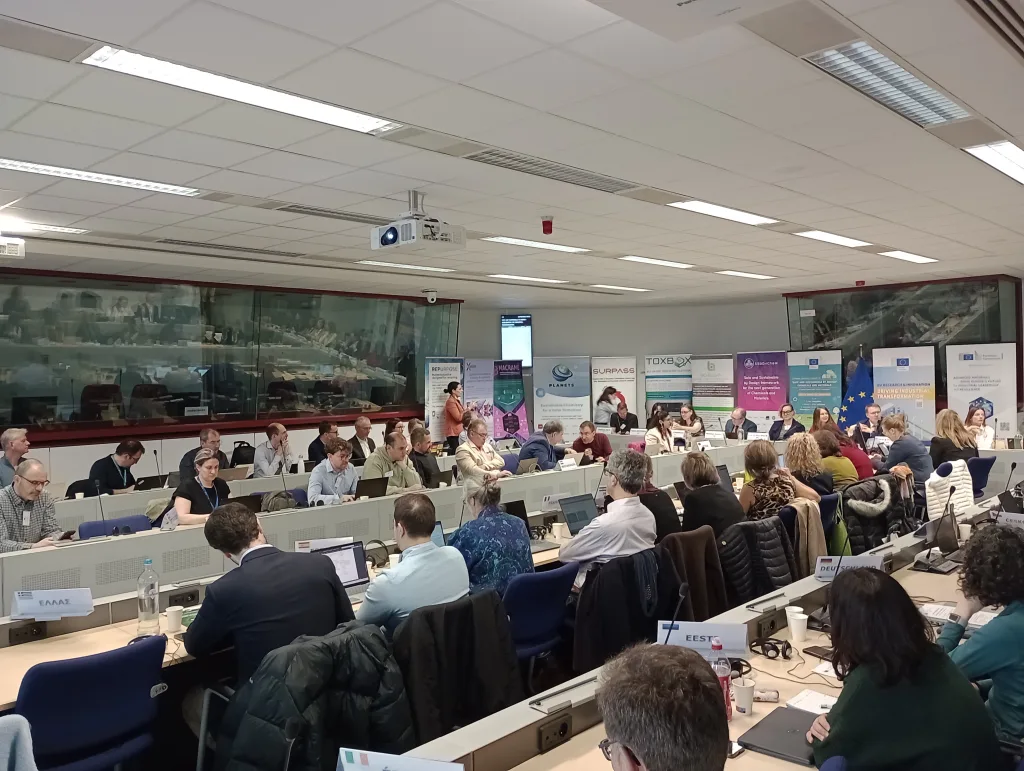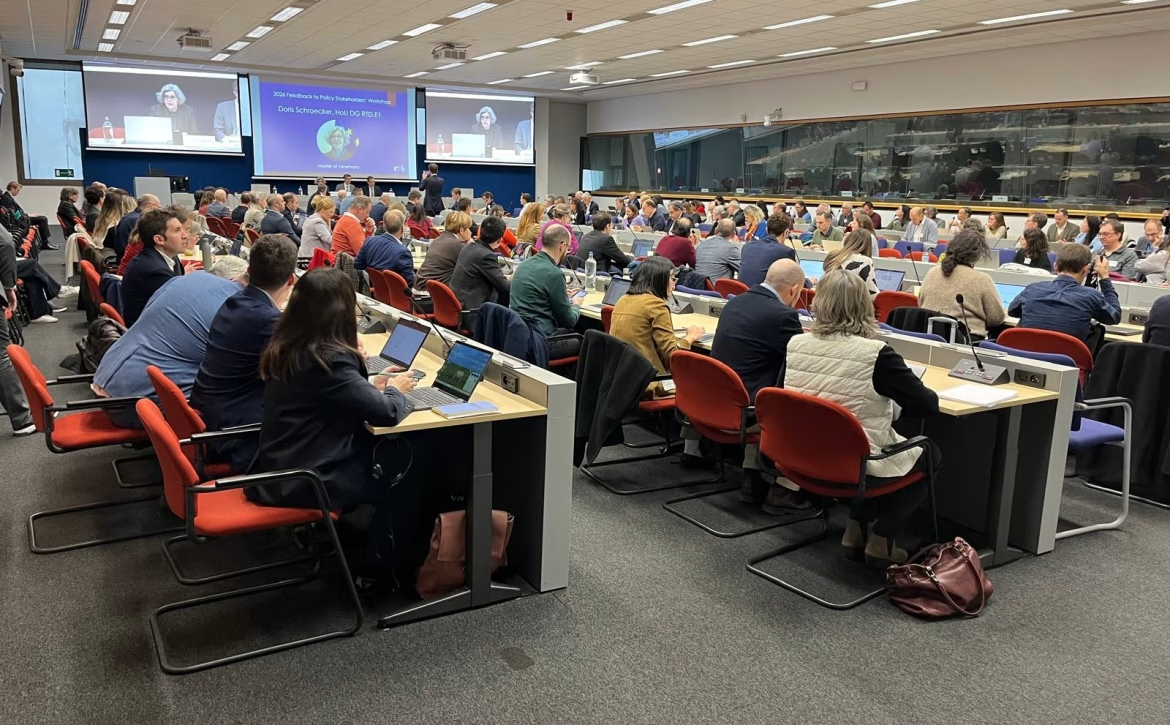
SSbD4CheM @ Feedback-to-Policy Workshop (04-05.11.2026, Brussels, Belgium)
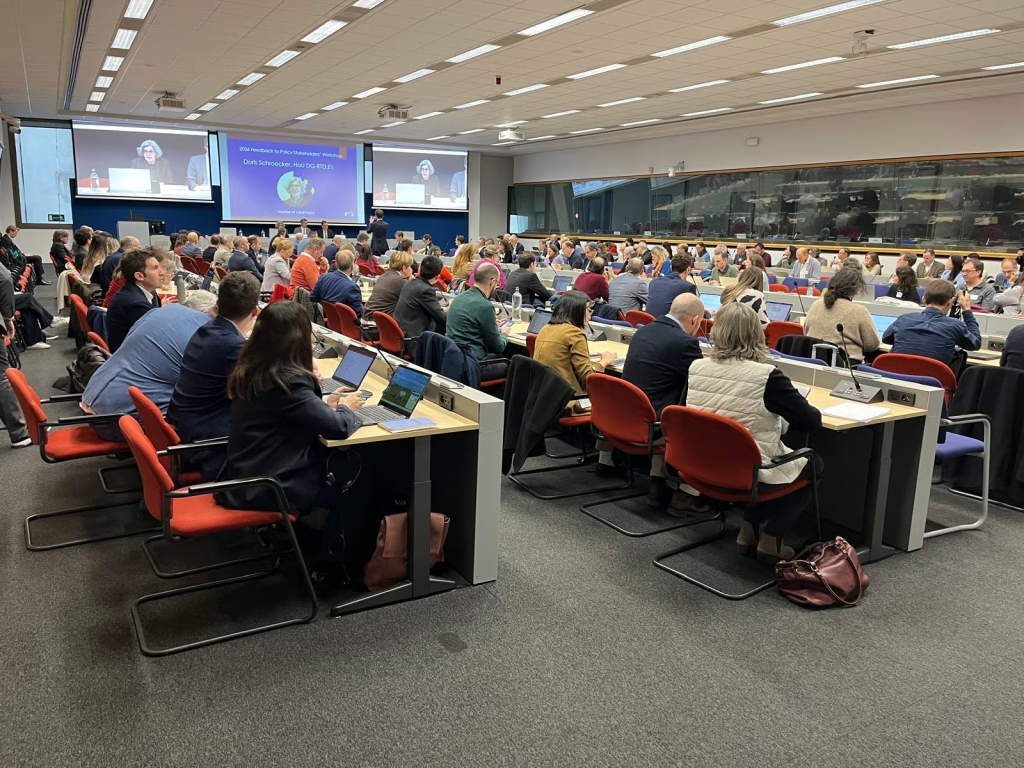
On 4th and 5th November 2026, 95 ongoing EU-funded Horizon Europe Cluster 4 projects were selected by European Health and Digital Executive Agency (HaDEA) out of 441 and invited to participate in the Feedback to Policy workshop organised by the European Commission‘s Directorate-General for Research and Innovation (DG RTD) in Brussels. The workshop discussed how EU funding can effectively support the innovation-to-investment journey. The knowledge, experiences, success stories and best practices of the projects will help to shape the next Horizon Europe Framework Programme for 2028–34. The workshop also offered the opportunity to network with policymakers and fellow projects.
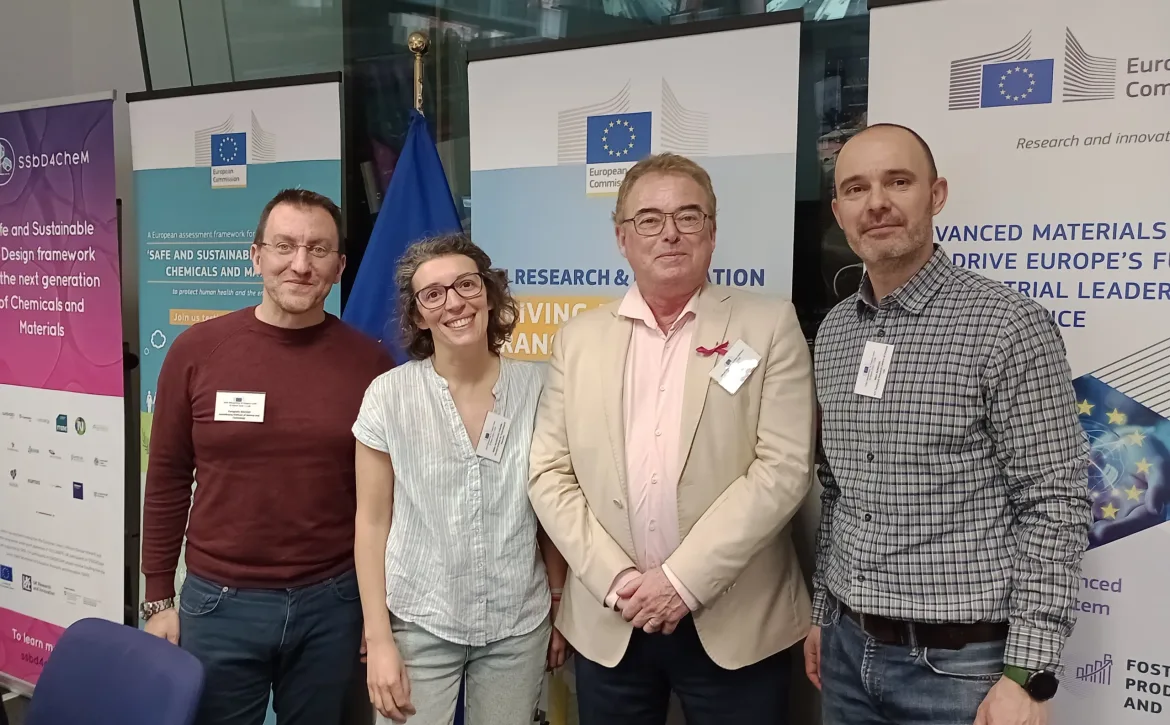
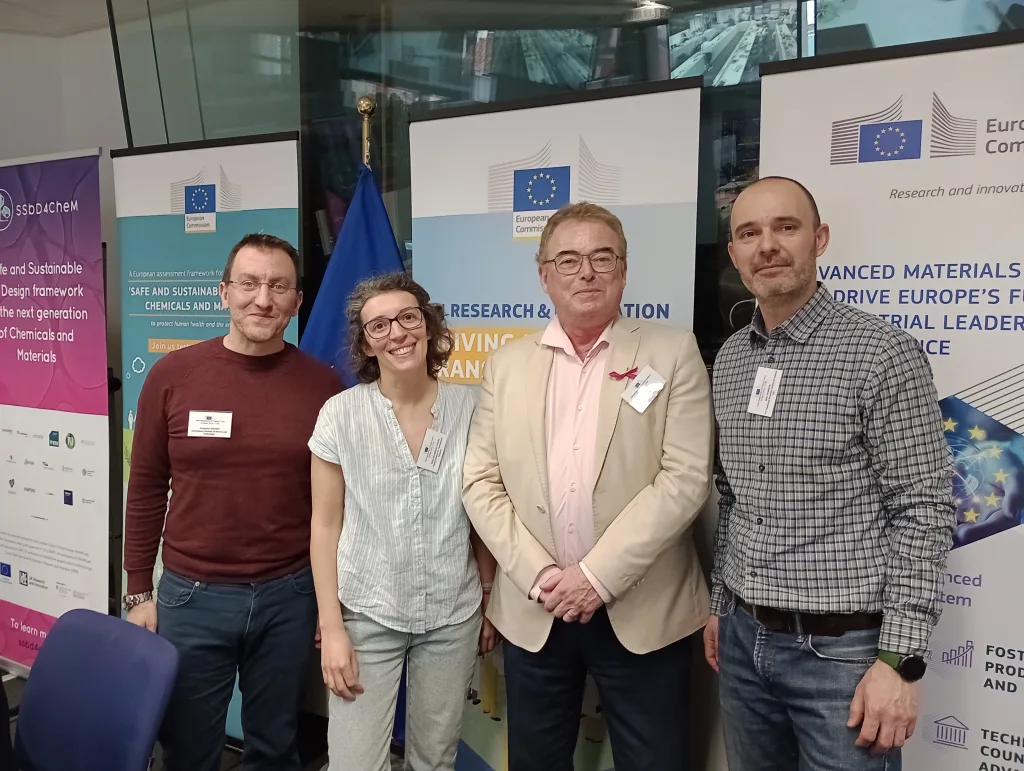
The SSbD4CheM project was represented by Milica Velimirovic (VITO) and Barry Hardy (Edelweiss Connect).
From research results to innovation and market adoption
Barry Hardy contributed to the workshop with a presentation entitled “Research Is Not the Endpoint“, drawing on experience from EU research and innovation projects including RISK-HUNT3R, ACCORDs and SSbD4CheM. He highlighted the value of public funding in enabling multidisciplinary scientific collaboration, FAIR knowledge infrastructures and early engagement with industry, regulators and prospective users. However, he emphasised that successful research outcomes do not automatically translate into commercially adopted innovations.
Drawing on the RISK-HUNT3R Innovation Radar initiative and its further development in SSbD4CheM, he advocated starting innovation management early and maintaining an active process of identifying promising results, profiling innovators, preparing innovation pitches and engaging potential customers and partners.
One central recommendation in his presentation was to distinguish three complementary dimensions of readiness: technology readiness, market readiness and investment readiness. Higher Technology Readiness Levels (TRL) do not necessarily imply that customers are ready to adopt a solution or that a business is ready to scale. Using the ACCORDs materials characterisation knowledge infrastructure as an example, he illustrated the challenges that small innovative teams face in moving from successful research demonstrations to customer pilots, commercial validation and sustainable operations.
He proposed that future European funding programmes consider targeted 12-month innovation transition support to bridge this gap, helping research-based innovations establish market evidence, customer engagement and investment readiness.