GroupPic

SSbD4CheM at key EU events on SSbD in Brussels (19-20.03.2026)

In March 2026, the SSbD4CheM project actively contributed to two major European events dedicated to advancing the Safe and Sustainable by Design (SSbD) framework, both held in Brussels.

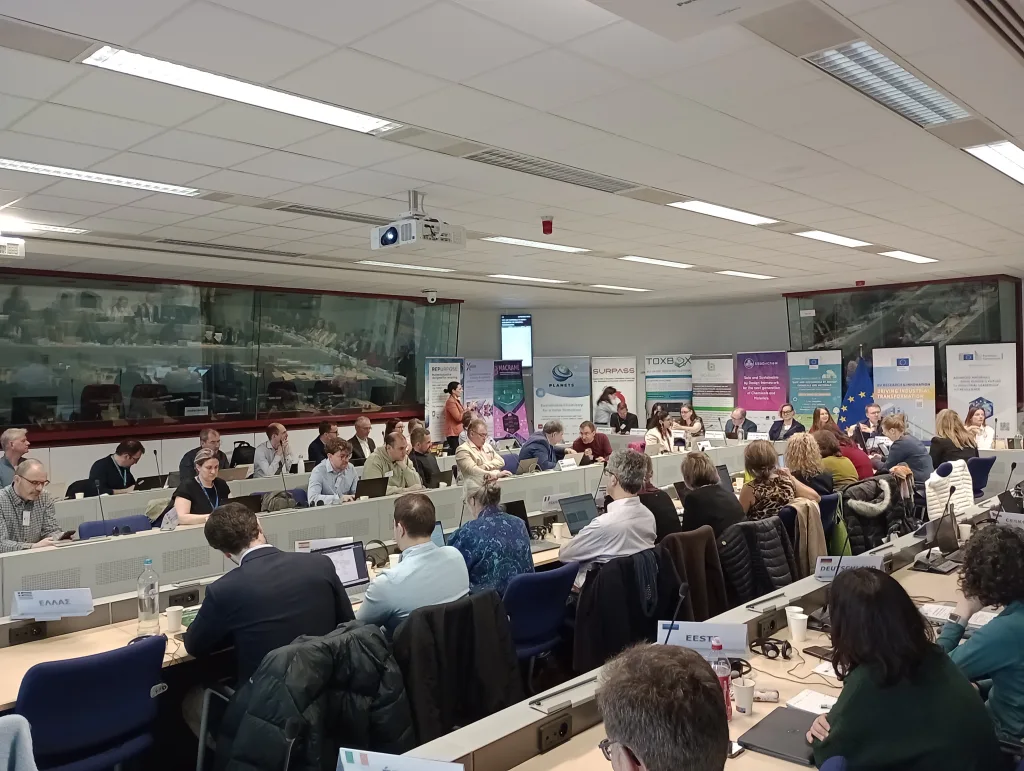
The project participated in the 6th EC SSbD Stakeholder Event: ‘Safe and Sustainable by Design: Accelerating the Industrial Transition’ on 19 March 2026, followed by the SSbD Horizon Europe Projects Networking Event on 20 March 2026. Together, these events brought around 60 participants from a broad range of stakeholder groups, including EU institutions, industry, innovators, investors, and representatives from research and policy communities.
The discussions highlighted the critical role of collaboration between research projects, industry, and policymakers in maximising the impact of SSbD approaches. Taking place shortly after the adoption of the revised SSbD framework, the events highlighted the European Union’s strong commitment to fostering the development of chemicals and materials that are safe and sustainable by design, addressing potential risks early in the innovation process.

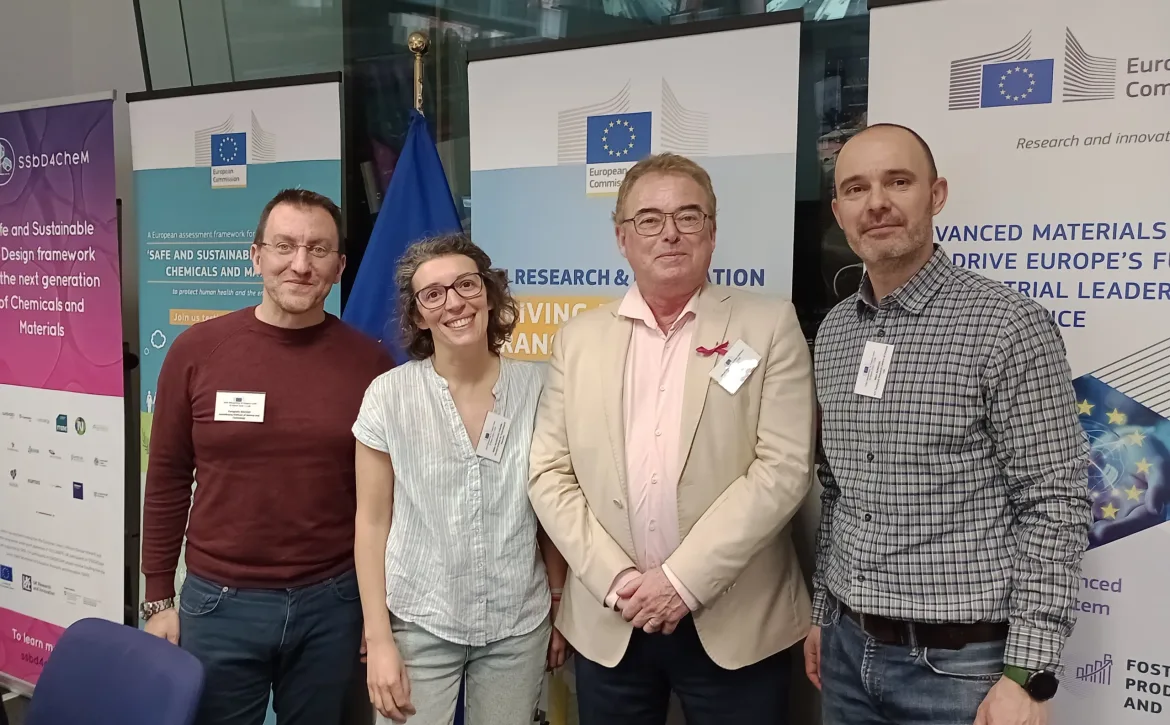
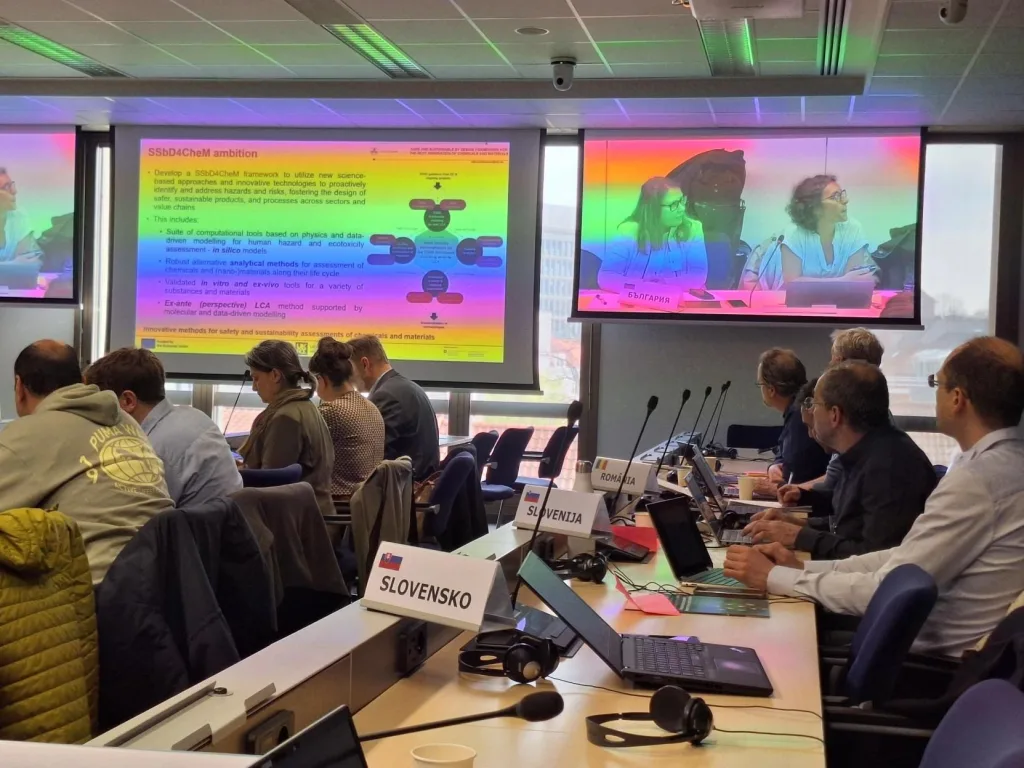
SSbD4CheM was represented by Milica Velimirovic (VITO) , and Barry Hardy (EwC). Andreas Falk from BNN also participated in his role as part of the NSC coordination team, and as partner of SSbD4CheM. During the networking event, Milica delivered an oral presentation showcasing the SSbD4CheM project. She introduced the project’s tools and methodologies, demonstrating how integrated assessment approaches and toolboxes are being developed to support informed decision-making and lifecycle analysis. [DOI: 10.5281/zenodo.19913251]
The participation in both events provided valuable opportunities to strengthen connections with other Horizon Europe projects and key stakeholders. In particular, the networking event fostered discussions on future collaboration and contributed to building a stronger, more connected SSbD ecosystem across Europe.

SSbD4CheM remains committed to supporting the implementation of the SSbD framework and to contributing to a safer and more sustainable chemicals and materials landscape.

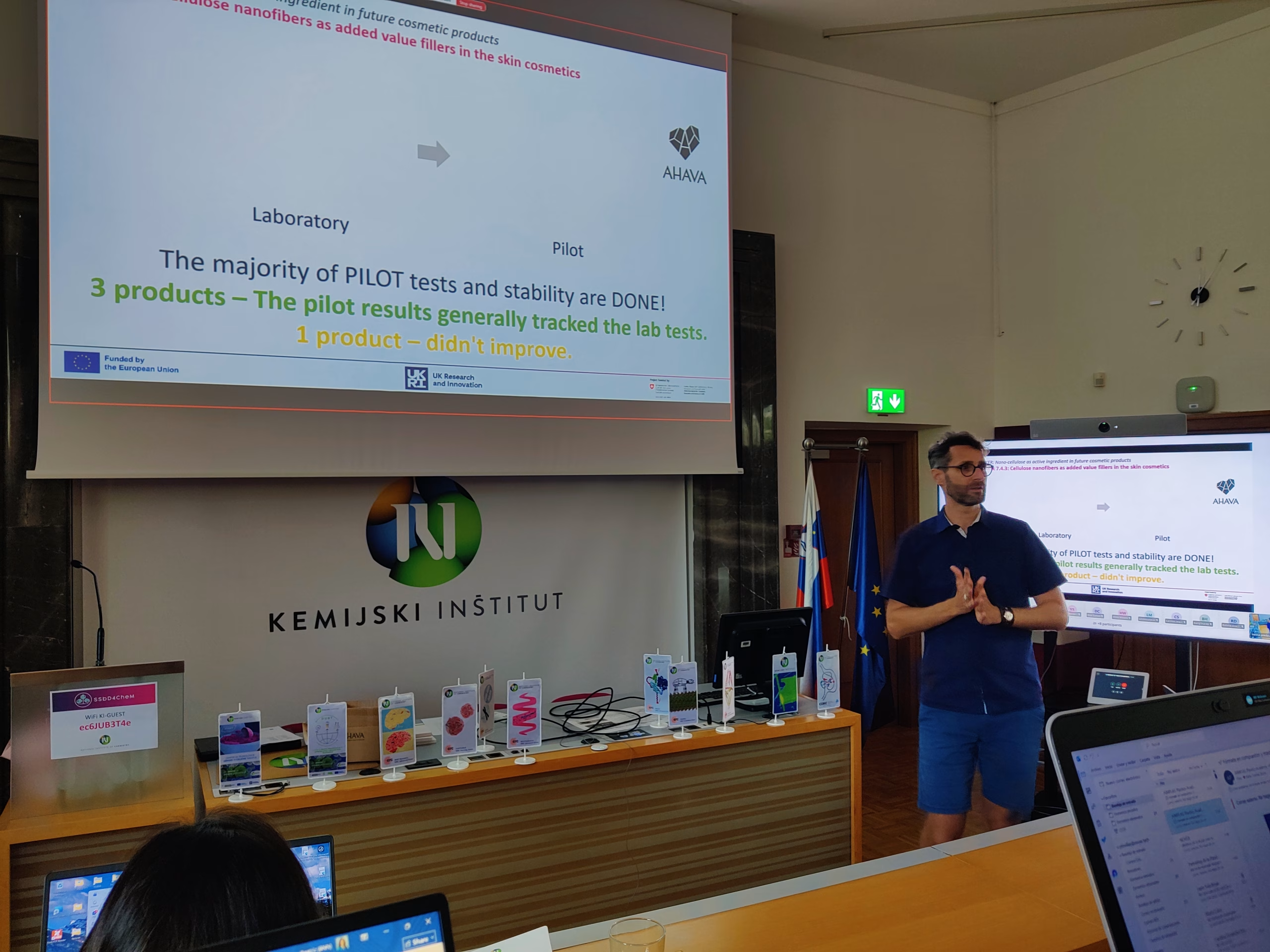
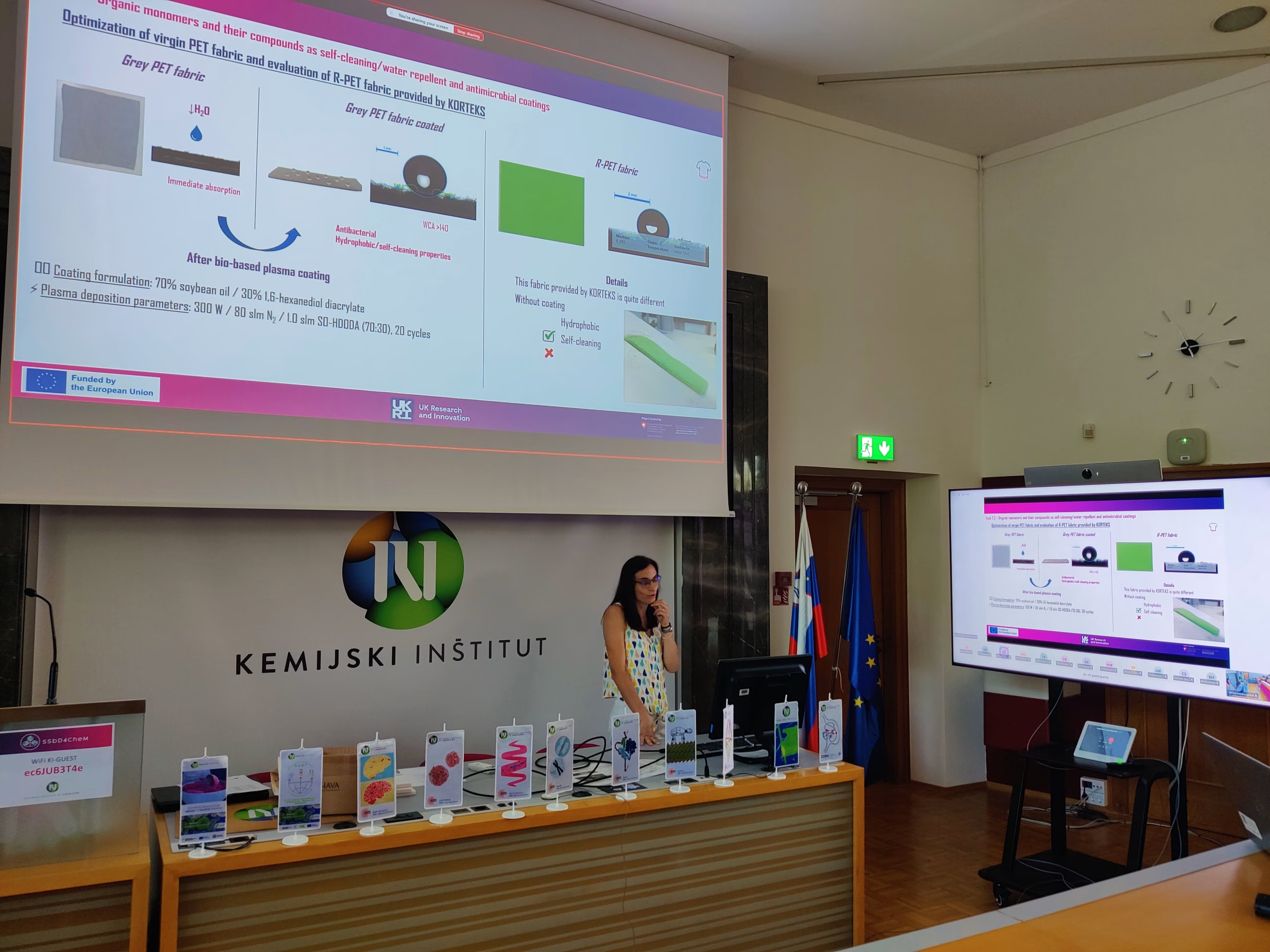
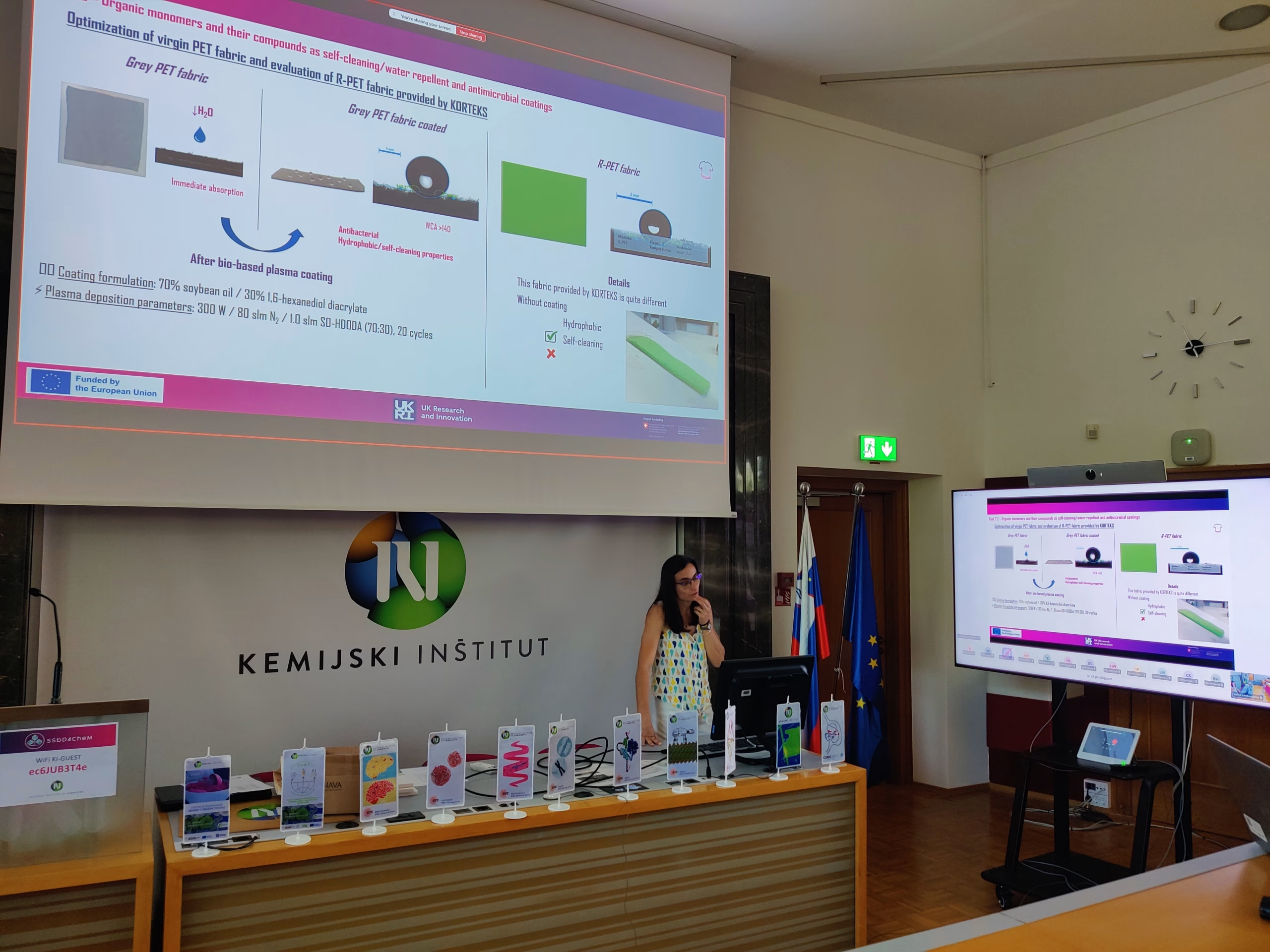
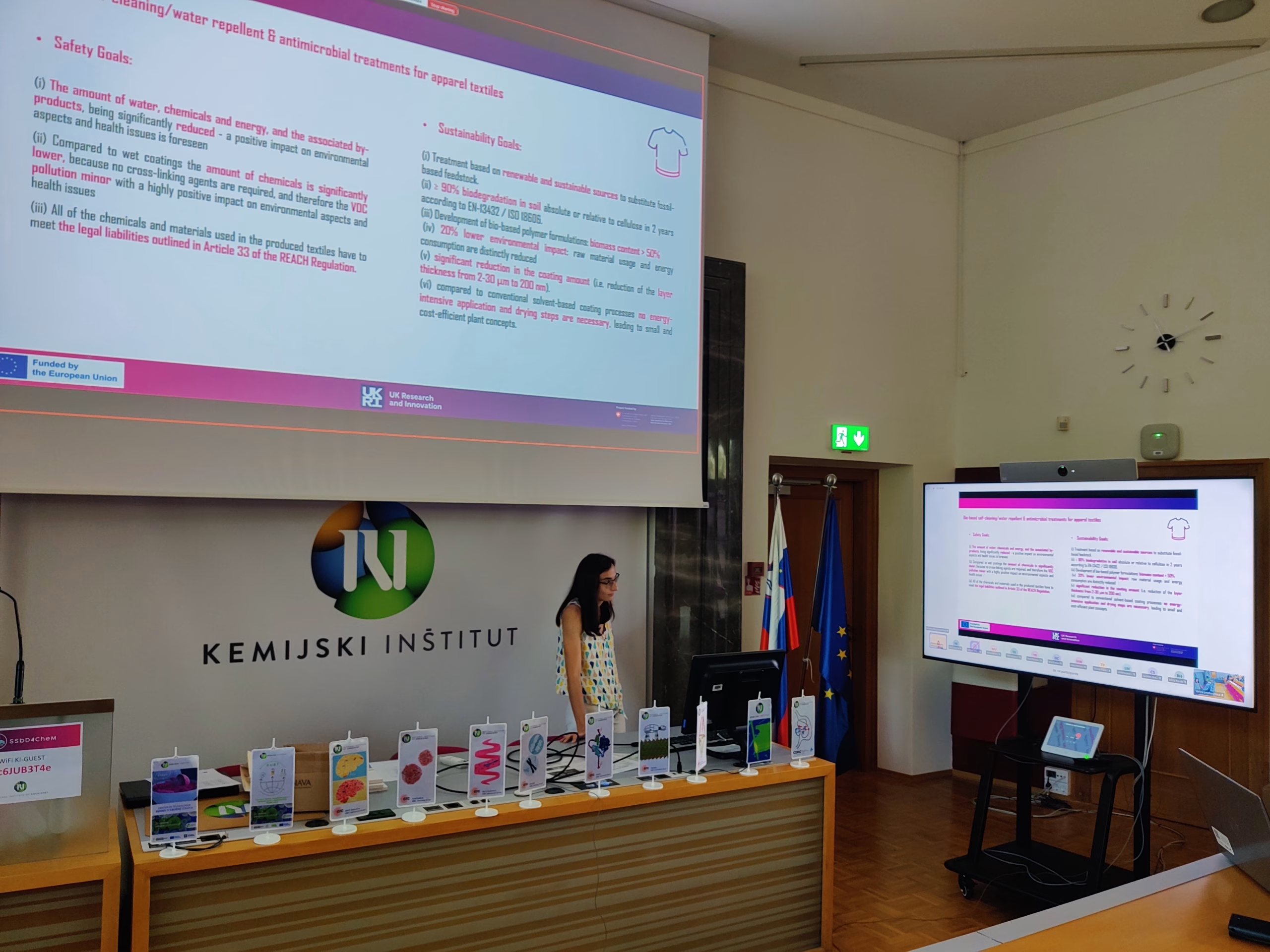
GroupPic
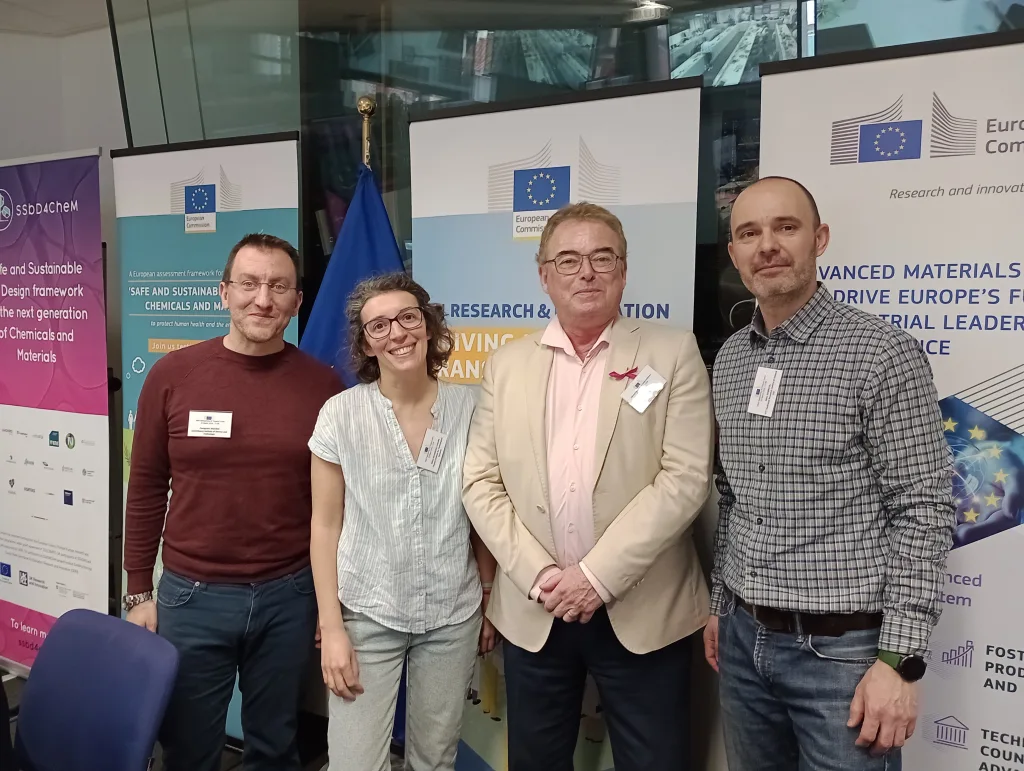
From left to right: Panos Isigonis, Milica Velimirovic, Barry Hardy, and Marc Borrega
AndreasFalk_BNN
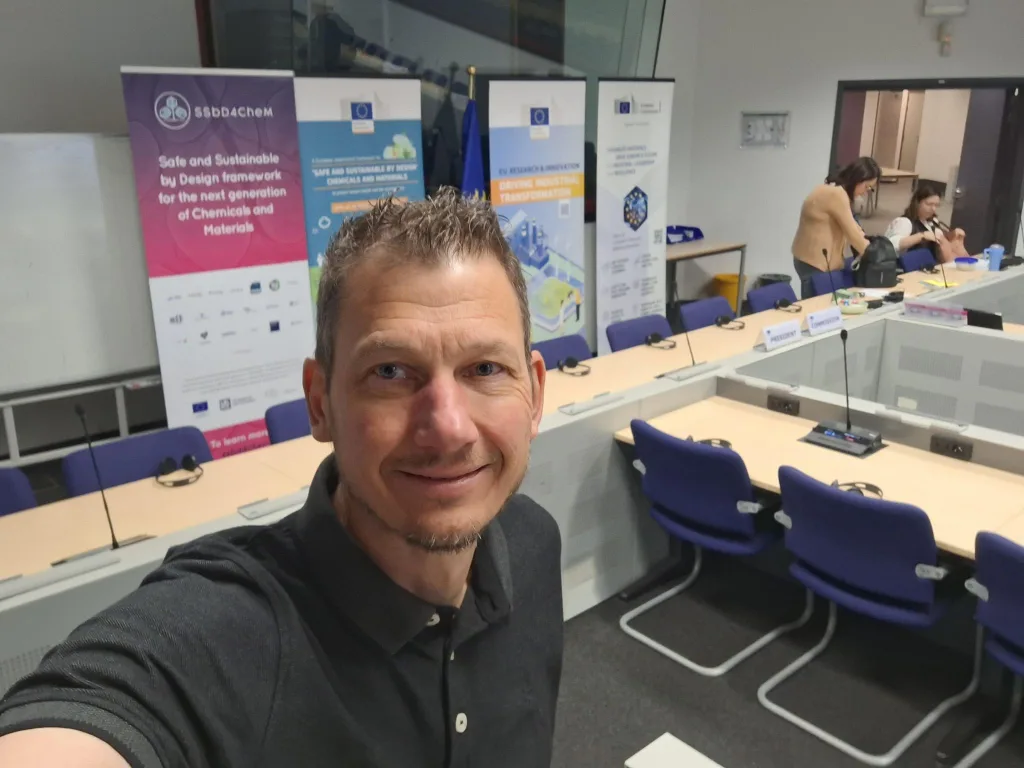
Andreas Falk
PresentationMilicaVelimirovic
Presentation of Milica Velimirovic
PlenaryRoom
During the event
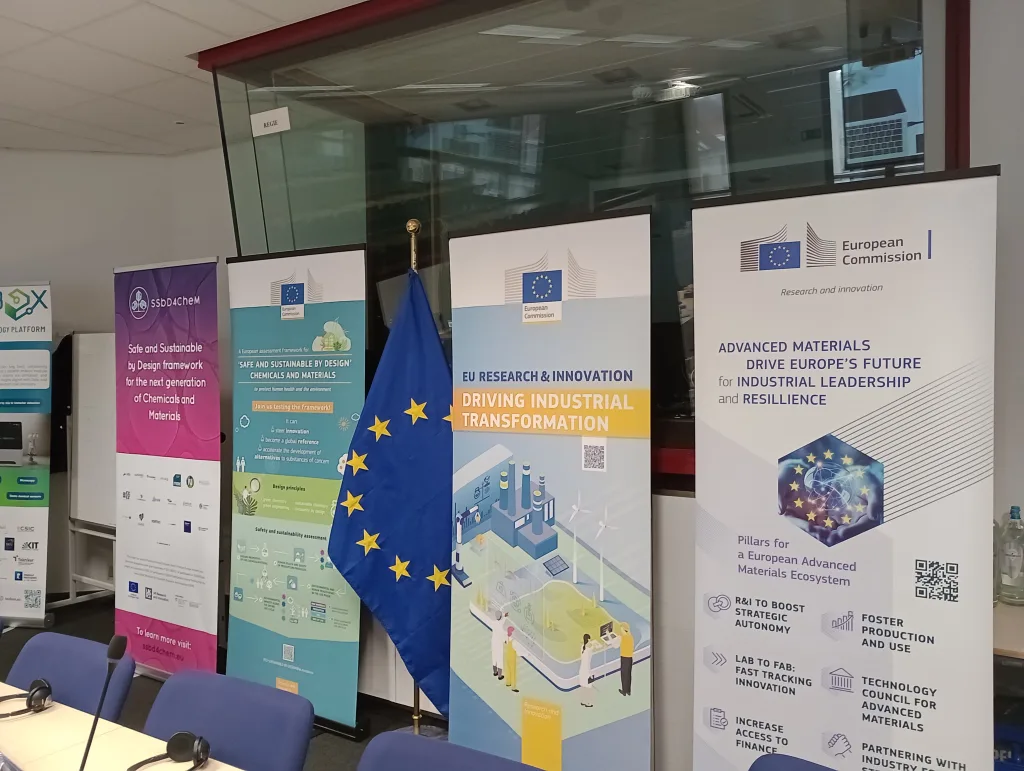
RollUp

Read More
TassosPapadiamantis_Entelos

WP Leaders interview series: Tassos Papadiamantis (Entelos Institute)

TassosPapadiamantis_Entelos

Tassos Papadiamantis is a senior scientist at the Entelos Institute (Cyprus). Within SSbD4CheM, he is leading the work package dealing with the computer aided (re)design approach.

Tell us a bit about yourself. What is your area of expertise?

Tassos Papadiamantis: My expertise is at the interface of nanomaterials safety, data and AI governance and management, and responsible predictive modelling. On the data side, I work on making nanosafety, materials, and chemicals data FAIR. On the modelling side, I develop responsible AI and machine-learning approaches to predict how materials behave, e.g., read-across models for ζ-potential and stability. I also work on developing ethical AI assessment frameworks applicable in materials and chemicals research. I bring this work into the regulatory space, mainly through projects with the European Union Observatory for Nanomaterials and EFSA, and publicly and commercially funded projects, supporting REACH and CLP compliance. This is also what I bring into SSbD4CheM and WP2, data-driven modelling, responsible AI, and FAIR data practices feeding directly into safe and sustainable design.

How does your specific work package “Computer aided (re)design approach” contribute to the project?

TP: WP2 provides the computer-aided (re)design layer of SSbD4CheM. Our role is to bring computational tools into the SSbD framework so that material selection and re-design decisions can be made early, before going to the lab. We combine physics-based methods and data-driven workflows that predict properties, behaviour, fate and transport of candidate materials. From these results we also identify the data gaps that need experimental work, which then guides what is actually measured in the project. On top of that, we develop a data-driven LCA estimation framework, so even for materials that do not yet have full inventory data we can give an estimation on their environmental impact. In practice, WP2 is the layer that turns SSbD from a principle into something computable and iterative.

What is the most exciting thing about the activities in your work package?

TP: For me the most interesting part is the loop we are building between models and experiments. The data-driven workflows we set up are not delivered once and frozen. They can be refined with new experimental data and the refined models can then feed the next design cycle. Combined with the LCA estimation step, this lets us look at safety, performance and lifecycle impact of a material that may not exist yet in the lab, which is something quite hard to do today. And we get to test this on three very different case studies, i.e., renewable composites for automotive, PFAS-free coatings for textiles, and cellulose nanofibers replacing plastic microbeads in cosmetics.

- Tassos Papadiamantis photo

- Tassos Papadiamantis

Senior Scientist at Entelos Institute

“In SSbD4CheM, we bring computational tools into safe and sustainable design, enabling early, data-driven decisions before materials reach the lab. By combining AI, predictive modelling and lifecycle estimation, we create an iterative loop between models and experiments, helping industry and regulators assess safety, performance and environmental impact even for materials that do not yet exist.”

From your point of view, who can benefit the most from the project?

TP: The most direct beneficiaries are the chemical and material producers and the downstream industries in automotive, textile and cosmetics. These are the stakeholders that carry the cost and the risk when a material turns out, later in development, to be unsafe, non-compliant, or with a poor environmental profile. With the WP2 tools they can take SSbD decisions earlier, with fewer experiments and with a clearer picture of the full lifecycle. Beyond industry, regulators and standardisation bodies also benefit, because the methods are validated following OECD principles and reported in formats they can directly use (for example QMRF for the predictive models). And in the end consumers benefit too, since products reaching the market will have been screened for safety and sustainability before scale-up, not after.

Read More
03_FRAUNHOFER_Yvonne-Kohl2

WP Leaders interview series: Yvonne Kohl (Fraunhofer IBMT)

Yvonne Kohl is a senior scientist at the Bioprocessing & Bioanalytics department of the Fraunhofer Institute for Biomedical Engineering IBMT (Germany). Within SSbD4CheM, she is leading the work package dealing with models for human health and environmental safety assessment.

Tell us a bit about yourself. What is your area of expertise?

Yvonne Kohl: My professional expertise is in toxicology, with a strong focus on in vitro safety assessment. Over the past years, my research focused on establishing human-relevant in vitro models, often referred to as New Approach Methods (NAMs), with the goal of enabling their regulatory use. As a Senior Scientist and Scientific Specialist for Toxicology at the Fraunhofer IBMT my main areas of work include human toxicology, hazard assessment of chemicals and nanomaterials, innovative preclinical in vitro models, biohybrid systems, biological barriers and organ-on-chip systems.

How does your specific work package “Innovative models for human health and environmental safety assessment” contribute to the project?

YK: WP4 is really the engine of the project when it comes to innovative safety testing. Our role is to develop and deliver the core model systems and data that are needed for a modern, reliable safety assessment of nanomaterials and chemicals. Concretely, we develop and refine advanced in vitro, ex vivo and zebrafish embryo models that reflect key human and environmental exposure routes, such as skin, lung, gut and the aquatic environment. We then optimise these methods into robust, efficient screening tools that are fully aligned with the 3R principles—replacement, reduction and refinement of animal testing. At the same time, we are building a comprehensive data library on hazardous properties to address critical knowledge gaps. To ensure that our methods are truly fit for purpose, we run inter-laboratory comparisons and pre-validation studies up to TRL 6, demonstrating reproducibility, applicability and robustness and moving the methods closer to practical application in regulation and industry. Through all of this, WP4 provides the practical tools and evidence base that enable safer-by-design decision-making and support the regulatory acceptance of alternative test methods..

What is the most exciting thing about the activities in your work package?

YK: What excites me most about our work package is that we’re not just developing isolated test methods, but building an integrated, human-relevant model system. This allows us to realistically mimic key exposure routes—such as skin, lung, and gut—and to capture low-dose, chronic effects of nanomaterials and chemicals. By combining advanced in vitro and alternative models with real-life exposure scenarios, and then validating them through inter-laboratory comparisons, we’re really closing the gap between exploratory research and regulatory or industrial application. This gives our work a very tangible impact: it can directly contribute to reducing animal testing in line with the 3R principles, support safe-by-design innovation, and provide practical tools that industry and regulators can actually implement in their decision-making.

- Yvonne Kohl photo

- Yvonne Kohl

Senior Scientist at Fraunhofer Institute for Biomedical Engineering (IBMT)

“We’re building integrated, human-relevant model systems that mimic key exposure routes like skin, lung and gut, rather than isolated test methods. By combining advanced in vitro approaches with real-life scenarios and validating them across laboratories, we close the gap to application—reducing animal testing and enabling practical, safe-by-design solutions for industry and regulators.”

From your point of view, who can benefit the most from the project?

YK: From my perspective, several groups benefit significantly, but industry and regulators are at the core. Chemical and material manufacturers, including SMEs, can design “future-proof” products by integrating safety and sustainability from the start, avoiding costly redesigns and regulatory hurdles. Formulators, downstream users and brand owners gain a structured way to choose safer ingredients, document decisions and de‑risk their supply chains. Regulators and policymakers benefit from a harmonised SSbD framework and shared language, while investors, researchers and, ultimately, society and the environment gain from safer, more sustainable innovations and products.

Read More
IMG_20260427_141957900_MFNR

Microplastic workshop for children (27.04.2026, Mol)

As part of its commitment to promoting Safe and Sustainable by Design (SSbD) beyond the scientific community, the SSbD4CheM project recently contributed to an outreach activity aimed at inspiring younger generations.

Milica Velimirovic (VITO) organised an interactive workshop on microplastics at a primary school in Mol, Belgium, with a group of 41 kids and 2 teachers. The activity connected scientific research with accessible learning, introducing children to a topic that is increasingly relevant for environmental and human health.

The session combined scientific explanation with hands-on experience, allowing children to explore the topic in an engaging and practical way. It included:

  • A short introduction to the “world of microplastics” 
  • Interactive experiments, including microscopy observations to make the invisible visible
  • A fun quiz to reinforce key learnings

The workshop highlighted how research conducted within SSbD4CheM and other projects VITO is involved (InPlasTwin, REMEDIES, Upstream) contributes to understanding and addressing challenges related to chemical safety and sustainability, including emerging concerns such as microplastics.

Beyond advancing scientific knowledge, SSbD4CheM is committed to raising awareness and fostering dialogue with society. Activities like this play a key role in building early awareness and encouraging curiosity among young people. By bringing science into the classroom, the project helps empower future generations to better understand environmental challenges and contribute to developing sustainable solutions.

Read More
2ndNSCworkshopSSbDscenarios_Cover

Recap of the 2nd NSC workshop on “SSbD scenarios” on 5 December 2025

Following up from the 1st NSC workshop on “SSbD scenarios for advanced and incremental innovations” (23 June 2025), the NSC Working Group on Safe and Sustainable by Design (SSbD), Innovation & Regulation organised a virtual 2nd NSC workshop on SSbD Scenarios on 5th December 2025. Similarly as the first workshop, this second one was prepared as a collaborative effort among several EU-funded projects: DESIDERATA,  PLANETS, SSbD4CheM, and SUNRISE.

The 1st NSC scenarios workshop laid the basis by the description of a scenario by aspects of novelty, exposure, severity, (environmental) sustainability, (economic) scope and immediacy. Case studies enabled a refinement of the scenario description (Wohlleben et al. 2025). The concept of a scenario was integrated by JRC into the revised SSbD Framework, where it serves as a bridge between the SSbD scoping and a tailored safety and sustainability assessment (reproduced in lower figure). It was described as “a specific and real set of conditions (scoping analysis elements) that define the context in which the SSbD assessment is carried out.”(Garmendia Aguirre et al. 2025). 

This 2nd NSC scenarios workshop explored how to describe an SSbD scenario, the tailoring rules related, as well as how to select which tailored approach fits best a specific innovation case. Examples of real-world cases were provided by innovators from the projects DESIDERATA, PLANETS, SSbD4CheM, and SUNRISE. In breakout sessions moderated teams went through the respective cases to define the SSbD maturity, pull and push, expected commercial value, probability of success (technical and commercial) and ultimately the return on investment that additional SSbD would expect. Obtained results were compared to six proposedly archetypal SSbD scenarios. This business-focussed algorithm enables defining a tailored SSbD in a more straight-forward manner. Such an approach, based on specifications collected during scoping, could argue for more or less extensive SSbD assessment to be implemented for different innovation cases, providing arguments for innovators in their discussion with management. 

2ndNSCworkshopSSbDscenarios_Agenda

Danail Hristozov (GreenDecision, and chair of the NSC WG on SSbD) opened the workshop and welcomed the more than 50 international participants from academia (54%), large industry (17%), SME (9%), consultants (7%), regulators (2%) and EU institutions (9%). 

2ndNSCworkshopSSbDscenarios_StakeholderGroups
Overview of the participants’ stakeholder groups

Wendel Wohlleben (BAuA, formerly BASF, and co-chair of the NSC WG on SSbD) presented how to tailor the SSbD implementation by using the scenarios. He explained how the most relevant aspects describing the scenario were selected after the 1st workshop, and how the newly developed spreadsheet “SSbD-ified ECV calculator” estimates the impact of implementing SSbD into an innovation project plan. The standardised business metric of the “Expected Commercial Value (ECV)” was used as the basis for the tool, which had been made available to all workshop participants, and feedback was gathered during the break-out groups. 

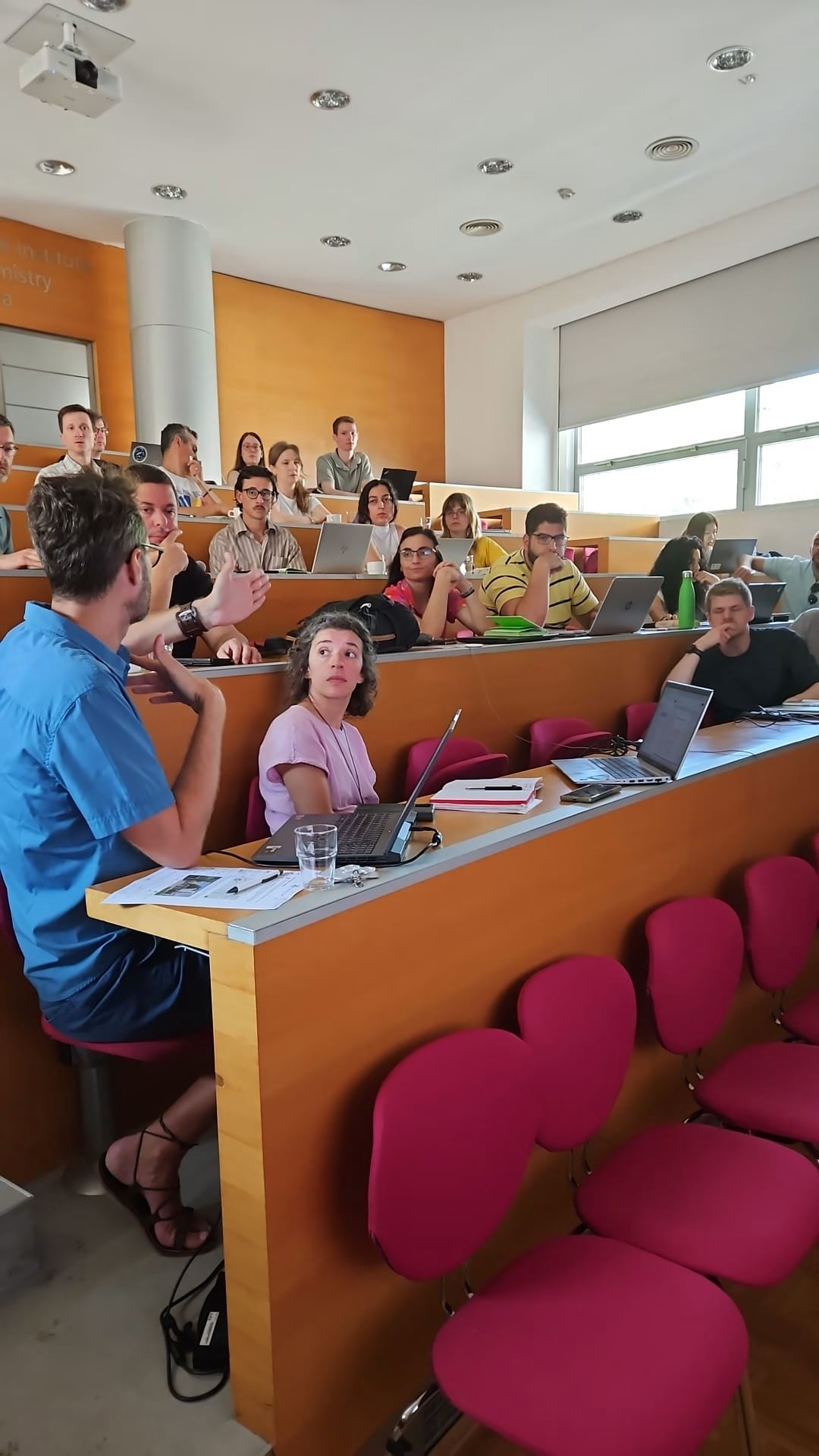
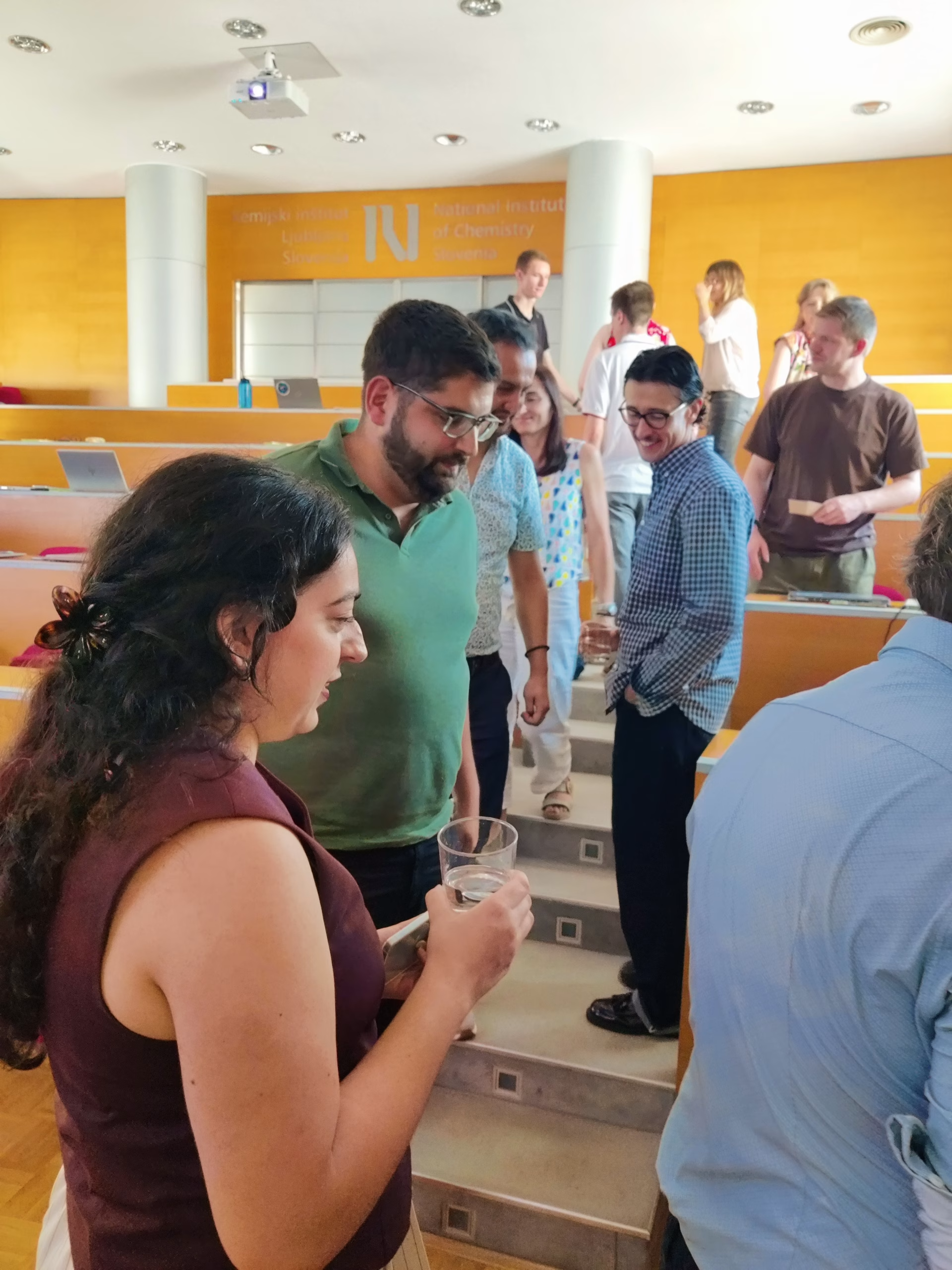
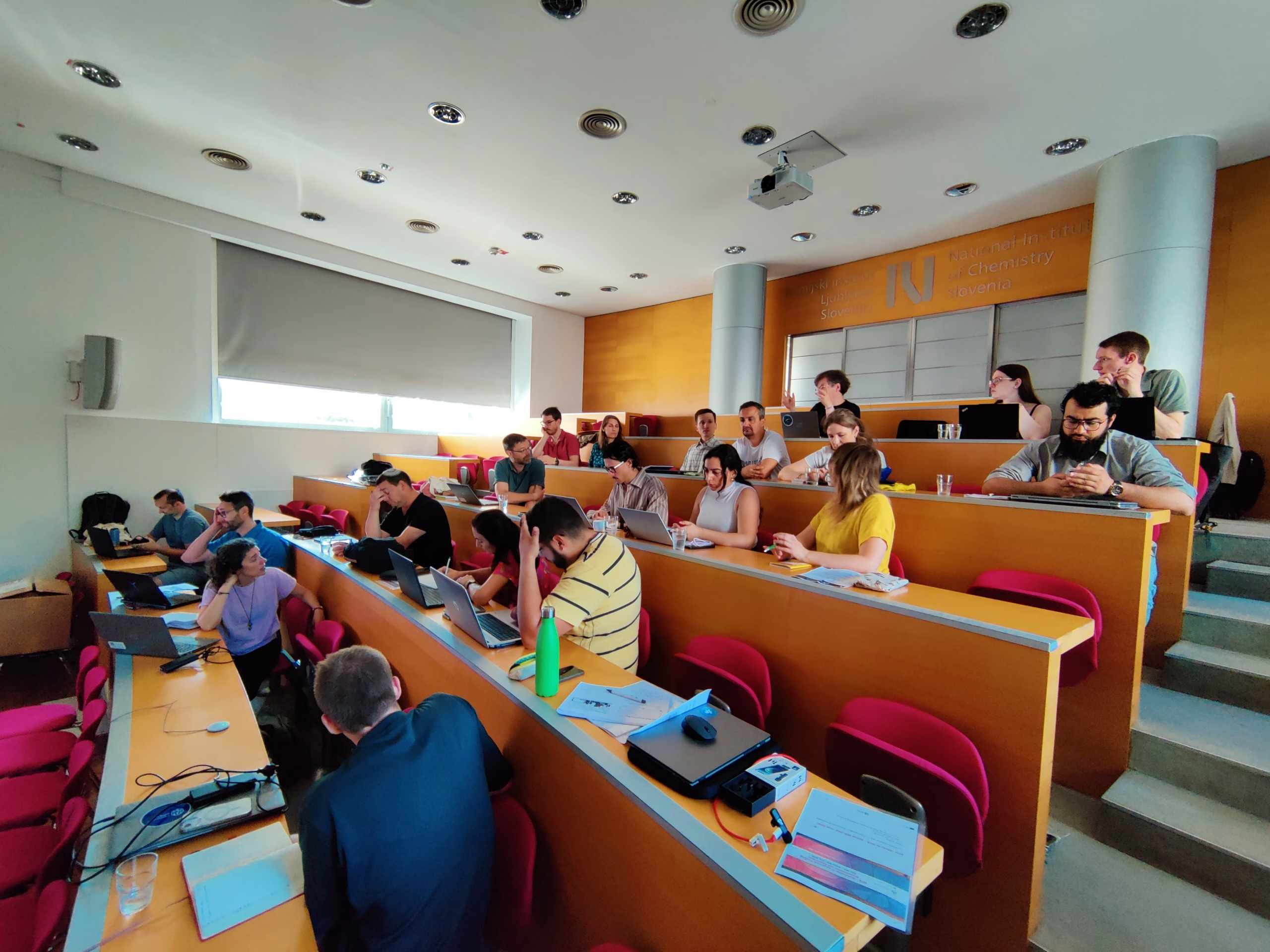
Workshop participants split up into the break-out groups, where the tailoring and other aspects in the different innovation case were explored and discussed: 

  • DESIDERATA case study: Olga Thoda, from MONOLITHOS, on geopolymers originating from mining waste as replacement of Aluminum in construction, moderated by Lya Hernandez, RIVM.
  • PLANETS case study: Tobias Moss, from Budenheim, on flame retardants in construction, moderated by Carla Caldeira, SYENSQO.
  • SSbD4CheM case study: Ondej Panak, from the Slovenian National Institute of Chemistry, on cosmetics (assisted by Assaf Assis, David Barak, and Dror Cohen, from AHAVA Dead Sea Laboratories, moderated by Martin Himly, PLUS.
  • SUNRISE case study: María José López Tendero, from Laurentia Technologies, on post-harvest fruit treatment based on safer microencapsulated oil, moderated by Danail Hristozov, GreenDecision.

Martin Himly (PLUS and chair of the NSC WG on ETC) moderated the joint reporting session of the different breakouts, where the discussions in each of the groups were briefly summarised and discussed in the plenary. 

Irantzu Garmendia Aguirre from the European Commission’s Joint Research Centre (JRC) contributed key insights to the workshop, sharing the JRC’s perspectives on the current adaptations within the SSbD framework. Her intervention addressed the core SSbD principles, the scoping analysis, and the development of SSbD scenarios, highlighting their relevance for advancing safe and sustainable innovation.

The workshop ended with a final round of feedback and plenary discussion, moderated by Lya Hernández (RIVM), where workshop participants dived into vivid discussions, which will be picked up in the 3rd NSC scenarios workshop anticipated for late spring 2026.

Two main activities are planned as follow-ups of this 2nd workshop: A third workshop (planned for 2026) to discuss the process from archetypal scenarios to tiered SSbD assessment, and a joint peer-reviewed NSC publication about the tailored SSbD approaches followed by the different case studies presented in the workshop.

Workshop materials:

Workshop materials are publicly available in Zenodo, under DOI: 10.5281/zenodo.19554509

The recording of the workshop is available in the NSC YouTube channel.

References:
  • Garmendia Aguirre, I., E. Abbate, G. Bracalente, L. Mancini, G. Cappucci, D. Tosches, K. Rasmussen, B. Sokull-Klüttgen, H. Rauscher and S. Sala (2025). “Safe and Sustainable by Design Chemicals and Materials. Revised framework”. Draft for consultation, can be accessed here.
  • Wohlleben, W., C. Caldeira, M. Himly, L. G. Soeteman-Hernández, D. Hristozov and B. Serrano Alfaro (2025). Materials of the NSC workshop on “SSbD scenarios for advanced and incremental innovations” on 23 June 2025. Zenodo. DOI: 10.5281/zenodo.15756156.
  • European Commission SSbD Framework
 
Impressions of the workshop:
Screenshot_ReportBreakOuts
2ndNSCworkshopSSbDscenarios_Cover

Read More
ANTHOS26_GroupPic_cut

SSbD4CheM @ ANTHOS’26

Held from 09-11 March 2026 in Vienna, ANTHOS’26 gathered over 120 experts to advance dialogue on Safe-and-Sustainable-by-Design (SSbD) for Advanced Materials (AdMa). Participants from academia, industry, policy, and regulatory bodies explored ways to align stakeholder needs (i.e., the initiators, the legislators, regulators and implementors) with the solutions that SSbD provides. Key discussions highlighted challenges such as data gaps, complexity, and limited SME uptake. EU-funded projects presented tools, AI approaches, and tiered assessments to support decisions at early-stages. A strong focus was placed on collaboration, regulatory readiness, and pragmatic tools, reinforcing SSbD as a driver for innovation, sustainability, and competitive advantage in Europe.
 
The event was organised by BNN, and supported by the NSC and 12 EU- and national-funded projects (AI-TranspWood, AlChemiSSts, ATIMA, BIOSAFIRE, CheMatSustain, InnoMatSyn, INTEGRANO, PINK, PLANETS, SSbD4CheM, SUNRISE, TOXBOX), as well as two Austrian Ministries (BMIMI and BMLUK).
 

Across three days, the summit created a collaborative platform to exchange knowledge and showcase tools, methodologies, and case studies; discussions highlighted key challenges for SSbD implementation, including limited awareness—particularly among SMEs—data gaps, methodological complexity, and unclear economic incentives. Stakeholders emphasized the need for pragmatic, user-friendly tools, improved data sharing, and stronger links between research, regulation, and industry.

Sessions and roundtables addressed the perspectives of initiators, legislators, regulators, and implementors. A recurring message was the importance of shifting from reactive compliance to proactive, design-led innovation. Solutions presented by EU projects demonstrated how digital tools, AI, tiered assessment strategies, and life-cycle thinking can support early-stage decision-making and reduce risks and costs.

The summit also underlined the importance of regulatory preparedness, trusted environments, and cross-sector collaboration. Concepts such as regulatory sandboxes, standardized data formats, and the role of SSbD ambassadors emerged as key enablers for wider adoption.

ANTHOS’26 concluded with a forward-looking discussion stressing the need for incentives, education, and coordinated action to scale SSbD. The event successfully strengthened collaboration across the community and set the stage for future innovation in safe and sustainable materials.

ANTHOS26_GroupPic_cut

SSbD4CheM had a very active role in the conference:

  • Several partners were involved in the Organising Committee (Andreas Falk, Beatriz Alfaro (BNN), Milica Velimirovic (VITO), Ivana Burzic (WOOD K plus)),
  • and in the Scientific Committee (Andreas Falk, Milica Velimirovic, Ivana Burzic).
  • Andreas Falk, Antje Biesemaier (LIST) and Barry Hardy (EwC) reviewed the poster abstracts.
  • BNN (Andreas Falk) was the main moderator of the conference. 
  • Andreas Falk was speaker and panellist in the Solutions Session 2 (Legislators) representing the NSC.
  • Milica Velimirovic was Co-chair of  the Solutions Session 4 (Scientific Implementators).
  • The project roll up was exposed all throught the conference in the projects area, next to the SSbD4CheM booth.
  • Oral presentations:
    • Milica presented the project in the BioNanoNet Networking event. DOI: 10.5281/zenodo.19550468.
    • Yvonne Kohl (Fraunhofer) supported Pamina Weber (LIST) to prepare presentation in Session 4 (scie. Implementors) – “Bridging in silico, in chemico, in vitro assessments for SSbD-driven advanced materials and chemicals innovation – where do we stand – what is next – what can we reach?“, presented by Ivana Burzic. DOI: 10.5281/zenodo.19628304.
    • Barry Hardy gave an oral presentation in the Solutions Session 3 (Regulators), about in silico methods and AI developments, presenting the goals of the project with regulatory acceptance. DOI: 105281.zenodo.19389773.
  • Posters:
    • Ondrej Panak (NIC) in collaboration with AHAVA had a poster on the cosmetic CS, entitled “SSbD Assisted Implementation of Nanocellulose Additives in Skin Care Products“. DOI: 10.5281/zenodo.19368571.
    • LIST/Fraunhofer (Antje Biesemeier, Yvonne Kohl) had a poster on CNC characterisation in vitro experiments, entitled “Multimodal characterization of the safety and sustainability of cellulose nanoparticles in 2D and 3D in vitro model“.
    • Florian Meier (Postnova) had a poster on CNC characterization ,entitled “A multi-analytical approach for guiding the safe and sustainable use of cellulose nanomaterials“. DOI: 10.5281/zenodo.19367261.
    • KORTEKS (Onur Celen and Mine Turkay) had a poster on “Advancing Safe and Sustainable Textile Materials in the SSbD4CheM Project: Industrial Production of Virgin PET, Recycled PET (r -PET) and Bio-Based PLA Yarns“, that was presented by Ondrej. DOI: 10.5281/zenodo.19470863.
  • Additionally Florian, Ondrej presented their posters in the Poster Pitch Session
  • The project also had a booth, sponsored by WOOD K plus, were we were able to showcase different prototypes developed in the frame of SSbD4CheM project – Visitors were super interested:
    • Automotive interior parts manufactured using novel Wood Plastic Composites (WPCs) with optimised emissions and odor (Wood K plus).
    • PFAS free water repellent and antimicrobial coated textile (Wood K plus, Novex, and KORTEKS).
    • High-sensitivity light scattering detector for cellulose nanomaterials’ characterization (Postnova).
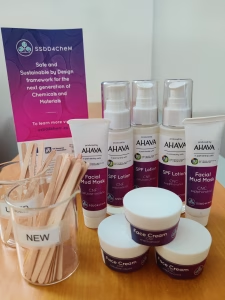
    • Nanocellulose as sustainable additive being applied in different AHAVA cosmetic products (SPF lotions, facial creams, facial mud mask) serving for different functionalities (AHAVA, NIC).
Read a full recap of the three impactful days here.
 
Some insight into the 3 days – Have a look at the pictures!

Read More
SSbD4CheM_OverviewPlatform

The SSbD4CheM Knowledge Sharing Platform: Turning Safe and Sustainable by Design into Practice

The transition to safer and more sustainable chemicals and materials requires more than good intentions — it needs accessible knowledge, practical tools, and shared understanding across disciplines. This is exactly the main aim of the EU-funded project SSbD4CheM project. The project is developing the SSbD4CheM Knowledge Sharing Platform, a centralized, web-based infrastructure that offers tools, data, guidance, and training to support the implementation of the SSbD framework for chemicals and AdMa, as elaborated by the EC Joint Research Centre (JRC), and help stakeholders (researchers, industry, policymakers, etc.) translate the SSbD principles into real-world decision-making throughout their innovation processes.

Overview of the SSbD4CheM Knowledge Sharing Platform

The platform brings together a wide range of tools, data resources, methodologies, and guidance materials relevant to SSbD. Instead of navigating multiple disconnected sources, users can access structured information that supports safety and sustainability considerations from the earliest design stages through to assessment and evaluation. One of the platform’s key functions is to enable structured SSbD assessment workflows. Users can explore digital tools that support hazard screening, sustainability evaluation, and life-cycle thinking, helping them document and compare design choices in a transparent and reproducible way.

Beyond tools and data, the Knowledge Sharing Platform also serves as a learning environment. It provides access to training materials, guidance documents, and explanatory resources that help users understand SSbD concepts, methodologies, and regulatory contexts — supporting capacity building across sectors and disciplines.

In line with EU best practices, the platform promotes FAIR principles (Findable, Accessible, Interoperable, Reusable), ensuring that data and resources hosted or linked through the platform can be more easily discovered, reused, and integrated into other tools, projects, and innovation processes.

Through the platform, users can access different tools that allow them to perform risk assessment, SSbD scoring, generate reports, and use knowledge infrastructure and databases for integrated, safer, and sustainable-by-design workflows. By the beginning of January 2026, the platform contains following resources:

  • Risk Assessment Report – Case Study: This report is generated by the SSbD4CheM integrated assessment tool designed to support safe and sustainable innovation across sectors such as cosmetics, textiles, and automotive.
  • SmartSafety – Chemical Risk Calculation Tool: Software that streamlines safety assessments by integrating product data and supporting health and environmental evaluations.
  • ASPA-assist: Web-based graphical interface which guides users through the steps and decisions involved in applying the SSbD process.
  • ToxTemp: Web-based tool and database designed to document methods by supporting various readiness levels to ensure method evaluation and transparency.
  • ACCORDs KI: Platform for accessing and submitting research protocols, experimental data, and images, offering standardised upload templates and a materials characterisation toolbox.
  • SDS collector/extractor: Tool that allows users to search, download, and extract structured data from SDS using CAS numbers or IUPAC names, exporting the information in CSV format.
  • PubMed ChemInsight: To accelerate literature discovery on chemicals and biological targets with smart search, synonym expansion, and automated result delivery.
  • PubChemPal: Interactive, user-friendly application that enables scientists, researchers, and regulatory professionals to retrieve, clean, and explore structured PubChem compound data using CAS numbers or PubChem CIDs.
  • ECHA database and notebooks: Provides access to chemical safety data and organized documentation (e.g. Chemical similarity search on RDT studies from REACH database, Repeated dose toxicity studies from reach database, EdelweissData dataset for CLP classifications, EdelweissData dataset for ecotoxicological endpoints)
  • Protocols area – guidance and database: Database of in silico and in vitro protocols used throughout the project, providing standardized methods and guidance.
  • Data area – guidance and access: Guidance page for information on data management

SSbD4CheM Protocol Database with uploaded protocols

The SSbD4CheM Knowledge Sharing Platform is designed as a collaborative space. By connecting tools, knowledge, and stakeholders, it supports dialogue and exchange between scientists, innovators, regulators, and sustainability experts working toward the same goal: chemicals and materials that are safe and sustainable by design. It is a practical enabler for embedding SSbD thinking into chemical and material innovation, helping turn policy ambitions into actionable, science-based practice.


Explore now the SSbD4CheM Knowledge Sharing Platform here.

Read More
Barry Hardy

WP Leaders interview series: Barry Hardy (EwC)

Barry Hardy (Edelweiss Connect)

Barry Hardy is CEO of Edelweiss Connect (Switzerland). Within SSbD4CheM, he is leading the work package dealing with the project SSbD framework and workflow.

Tell us a bit about yourself. What is your area of expertise?

Barry Hardy: I am Founder and CEO of Edelweiss Connect, working at the intersection of computational toxicology, FAIR data infrastructure, and Safe and Sustainable by Design (SSbD) innovation. Our expertise focuses on developing knowledge infrastructures and mechanistically interpretable modeling workflows that integrate experimental and computational evidence to support predictive safety assessment. This includes development of FAIR-compliant data frameworks, AOP-based mechanistic modeling, and AI-assisted workflows such as ASPA, designed to generate high-quality, traceable evidence suitable for industrial decision-making and future regulatory acceptance.

How does your specific work package “SSbD4CheM framework and workflow” contribute to the project?

BH: Our work package contributes by developing the SSbD framework implementation layer that connects FAIR data, mechanistic knowledge infrastructure, and industrial innovation workflows. We are extending ASPA workflows to support SSbD applications, enabling structured integration of experimental data, mechanistic pathway knowledge, and predictive models into reproducible evidence packages. This infrastructure ensures that safety and sustainability assessments are transparent, traceable, and reusable, supporting industrial partners in making informed design decisions and preparing evidence that can ultimately support regulatory evaluation and acceptance.

What is the most exciting thing about the activities in your work package?

BH: The most exciting aspect is enabling a transition from fragmented data and isolated experiments to integrated, mechanistically grounded evidence that can directly guide safer and more sustainable chemical and material design. By combining FAIR data principles, knowledge graphs, and mechanistic modeling workflows, we are creating a foundation where safety and sustainability can be evaluated predictively and early in innovation. This opens the door to faster, more reliable development of safer products while building confidence in new approach methodologies (NAMs) that can eventually replace animal testing and support regulatory transformation.

- Barry Hardy photo

- Barry Hardy

CEO at Edelweiss Connect and Founder of SaferWorldbyDesign

“By integrating FAIR data, mechanistic knowledge, and AI-assisted workflows, we are transforming fragmented scientific evidence into predictive, transparent, and reusable knowledge—empowering industry to design safer and more sustainable chemicals and materials from the earliest stages of innovation, while building the foundation for future regulatory acceptance.

From your point of view, who can benefit the most from the project?

BH: Industrial innovators and product developers will benefit significantly by gaining tools and frameworks that allow them to design safer and more sustainable chemicals and materials more efficiently and with greater confidence. At the same time, regulators and the broader scientific community will benefit from access to structured, high-quality, and reproducible evidence that supports transparent safety and sustainability assessment. Ultimately, society as a whole benefits through safer products, reduced environmental impact, and accelerated adoption of innovative, human-relevant methods for safety evaluation.

Read through this powerful reflection poem from Barry Hardy, on humanity standing at a crossroads, armed with powerful intelligence and technology yet risking ecological collapse, social fragmentation, and moral drift if wisdom and empathy do not guide action. It calls for stewardship, compassionate AI, cultural renewal, and collective responsibility to consciously design a safer, more humane world while there is still time.

Read More
Edelweiss_SETAC_2025_Poster

SSbD4CheM at SETAC North America 46th Annual Meeting (16-20.11.2025, Portland)

SSbD4CheM was represented at the SETAC North America 46th Annual Meeting, one of the leading international conferences dedicated to environmental science, toxicology, and sustainable solutions in environmental chemistry.

Organised by the Society of Environmental Toxicology and Chemistry (SETAC), the annual meeting gathered from 16-20 November 2025 in Portland (Oregon) more than 1.500 participants from research institutions, international organisations, regulatory bodies, local and national authorities, regional stakeholders, and end-user communities from across the world.

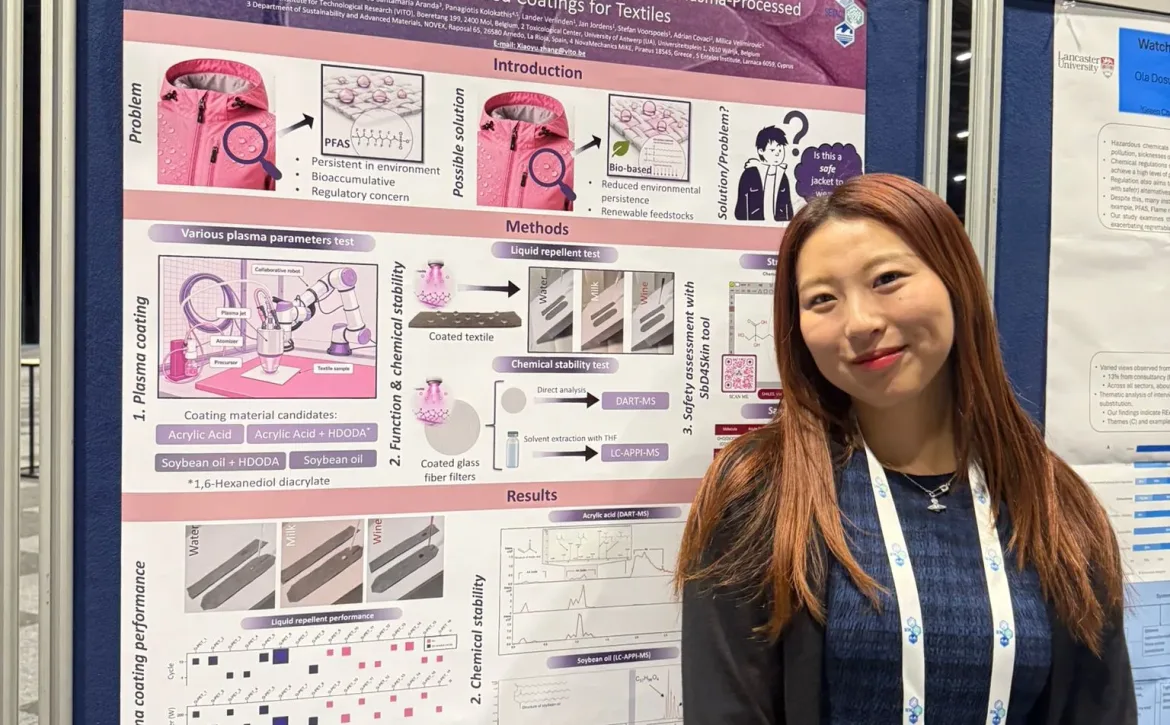
During the event, Connor Hardy from Edelweiss Connect, partner of the SSbD4CheM project, presented a poster entitled “Hazard profiling and characterisation supporting Safe and Sustainable by Design Workflows applied to chemicals and materials”. The presentation highlighted the project’s objectives, ongoing activities, and recent progress in supporting Safe and Sustainable by Design (SSbD) approaches for chemicals and materials.

Participation in the conference provided an excellent opportunity to promote the SSbD4CheM project within the North American SETAC community, while also fostering networking and exchange with researchers, policymakers, and industry representatives working towards safer and more sustainable chemical innovation.

Read More
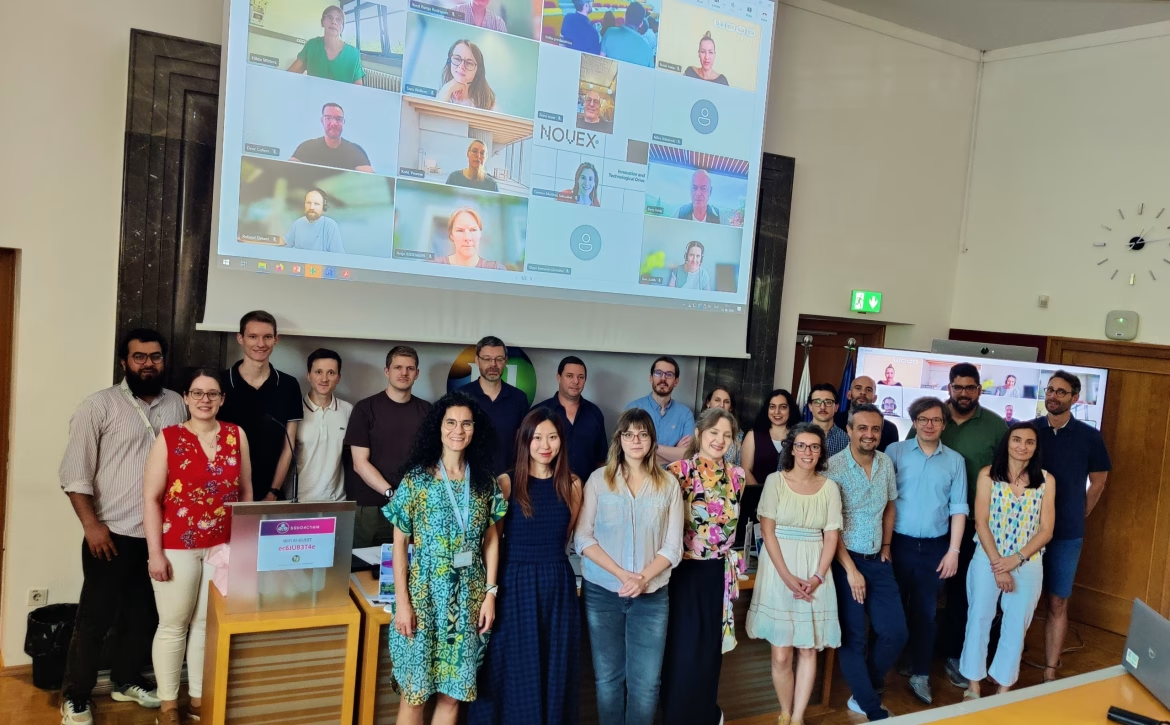
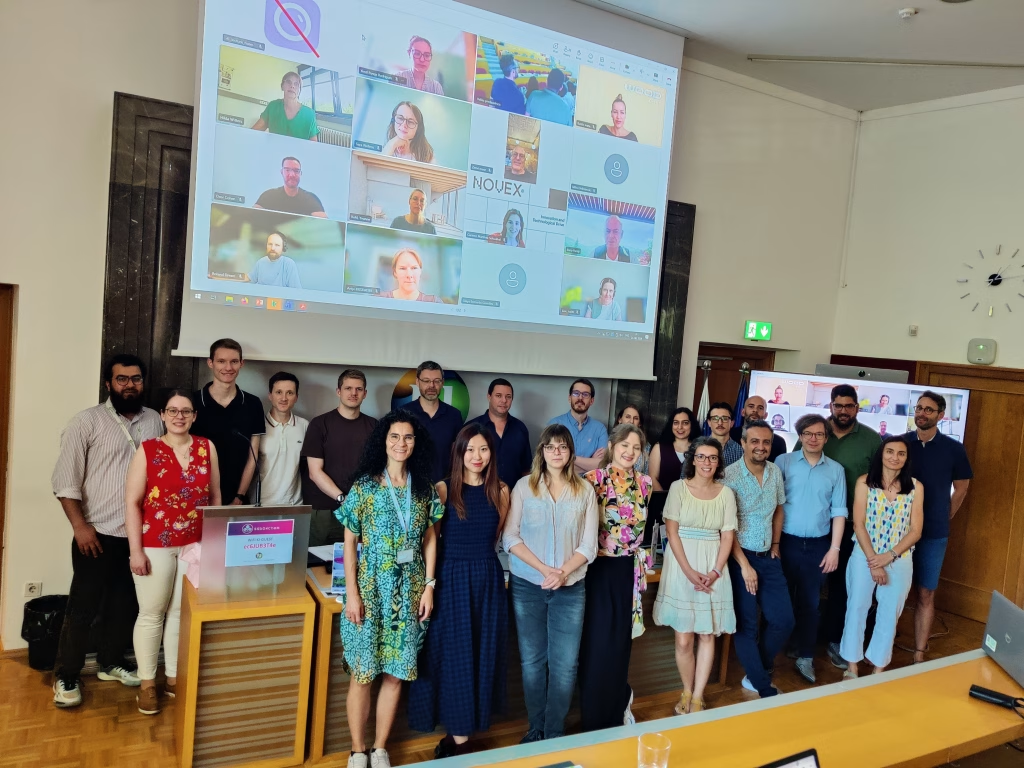
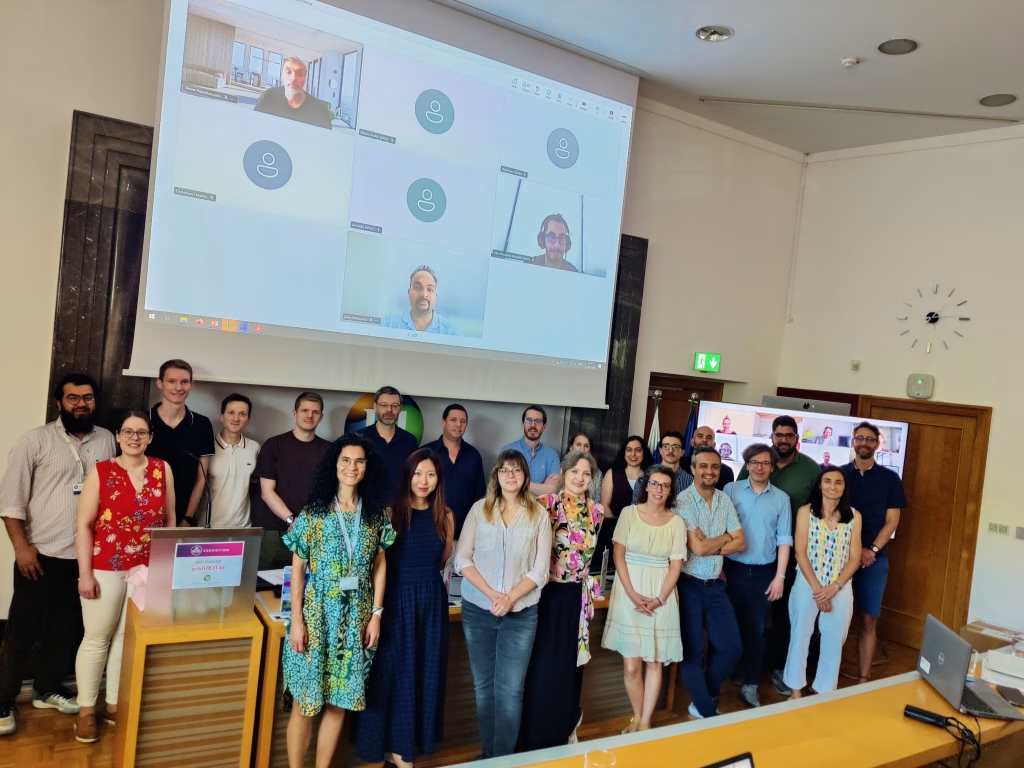
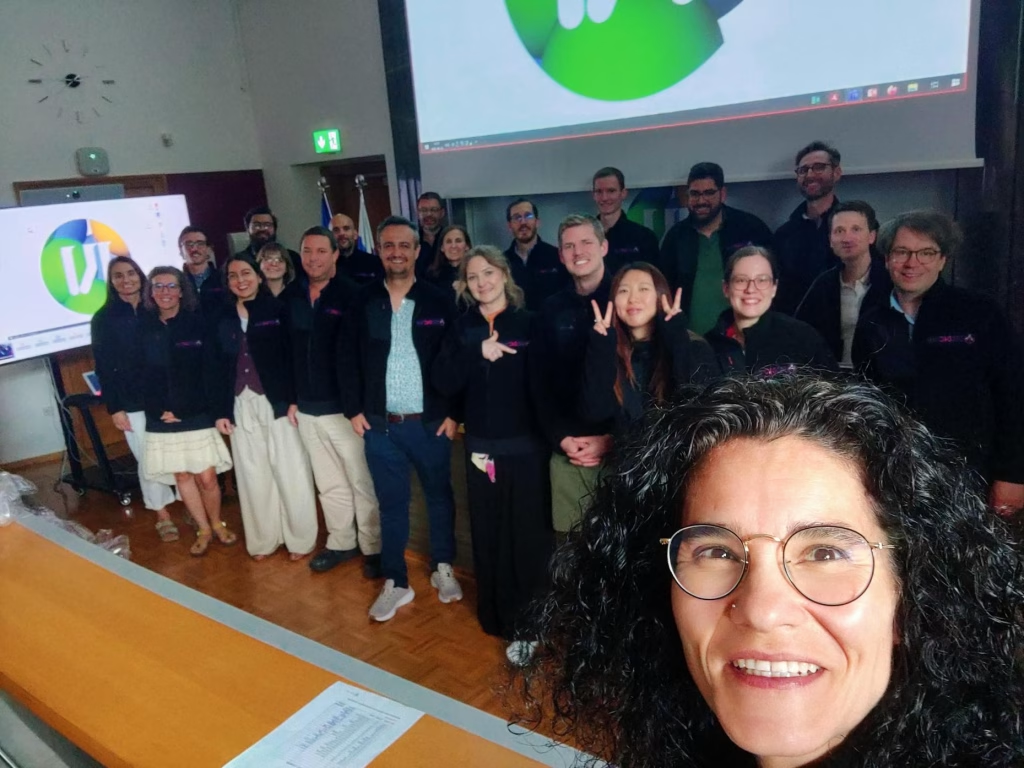
GroupPicture_1

SSbD4CheM General Assembly M24

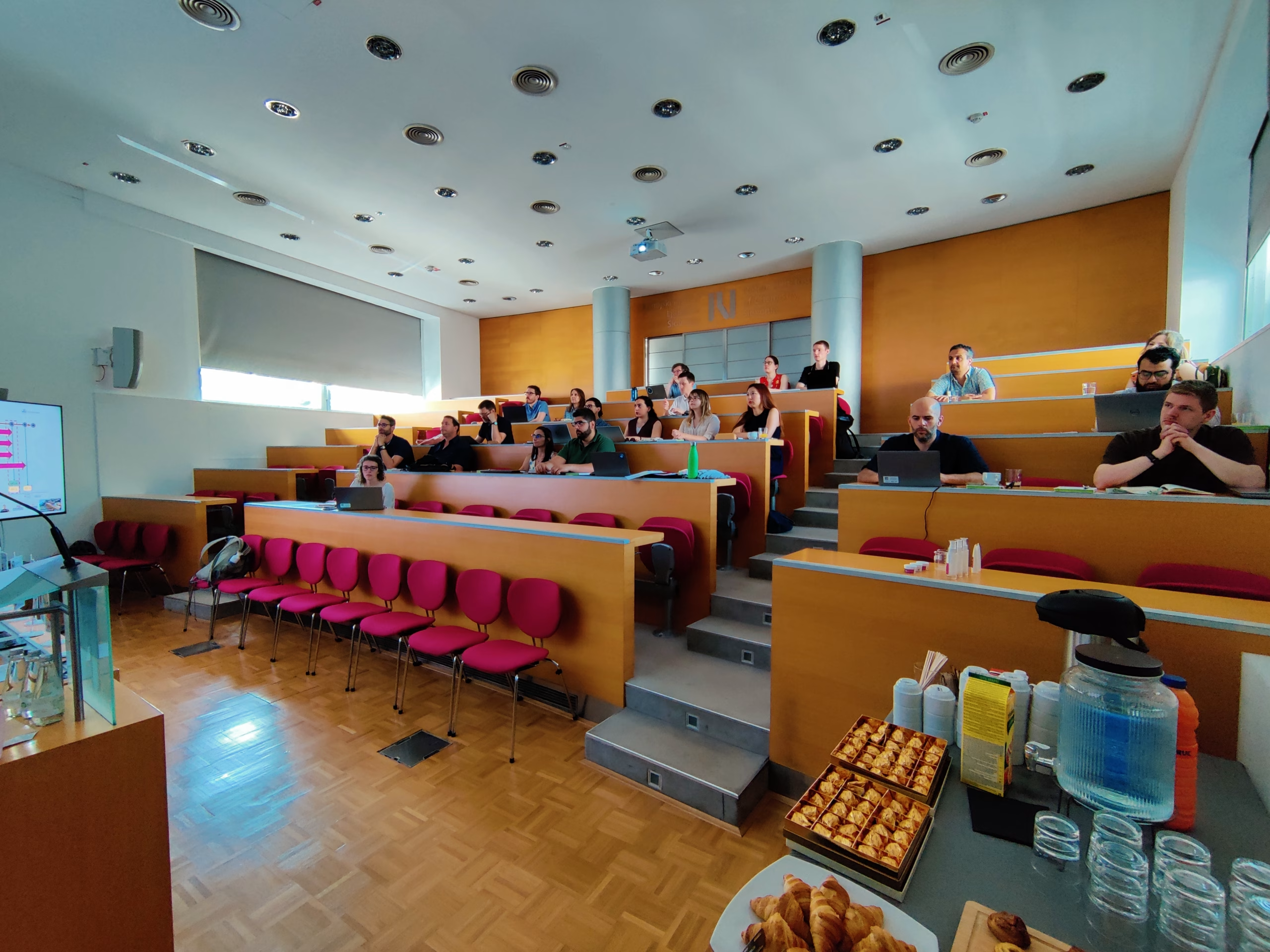
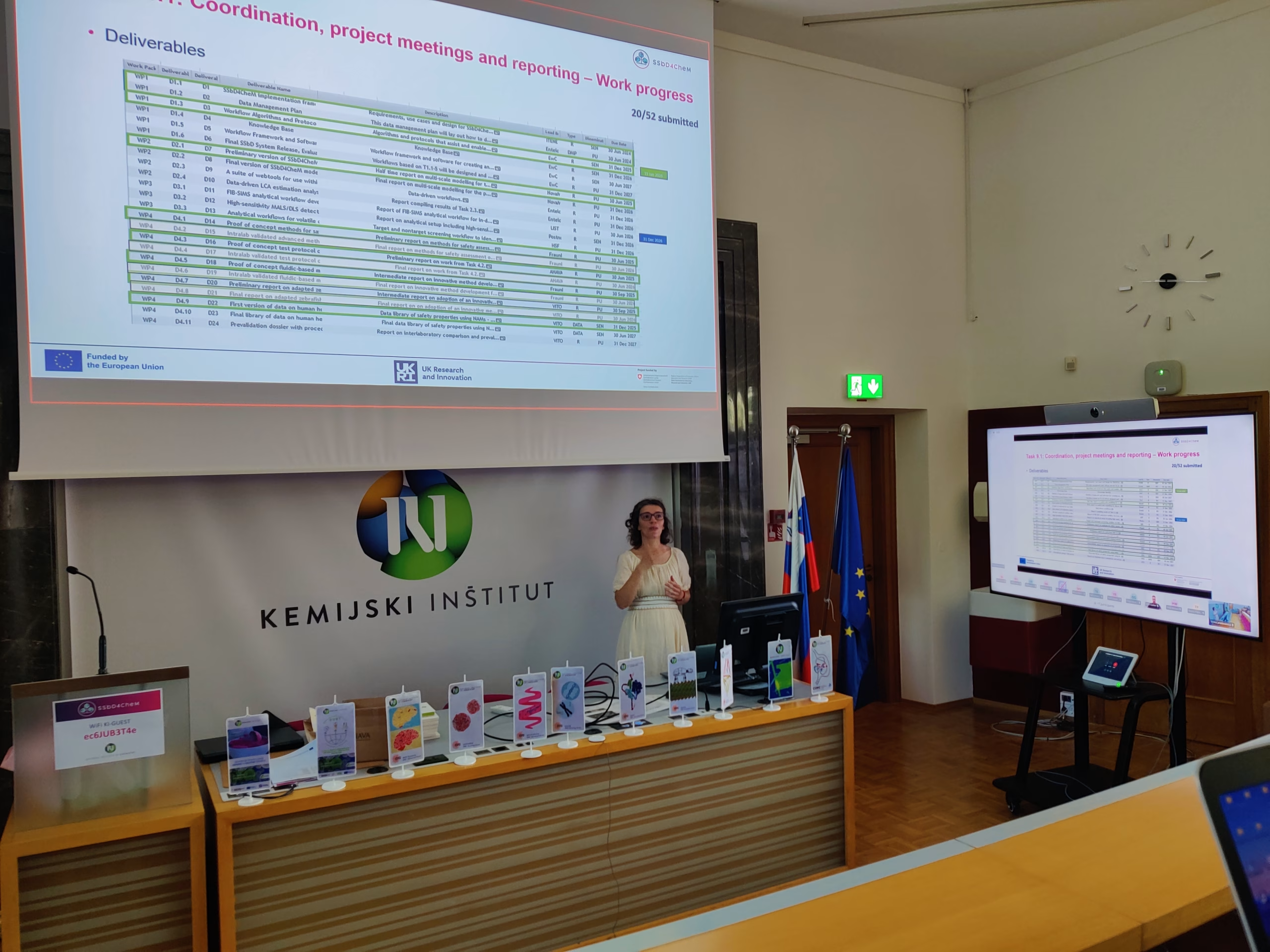
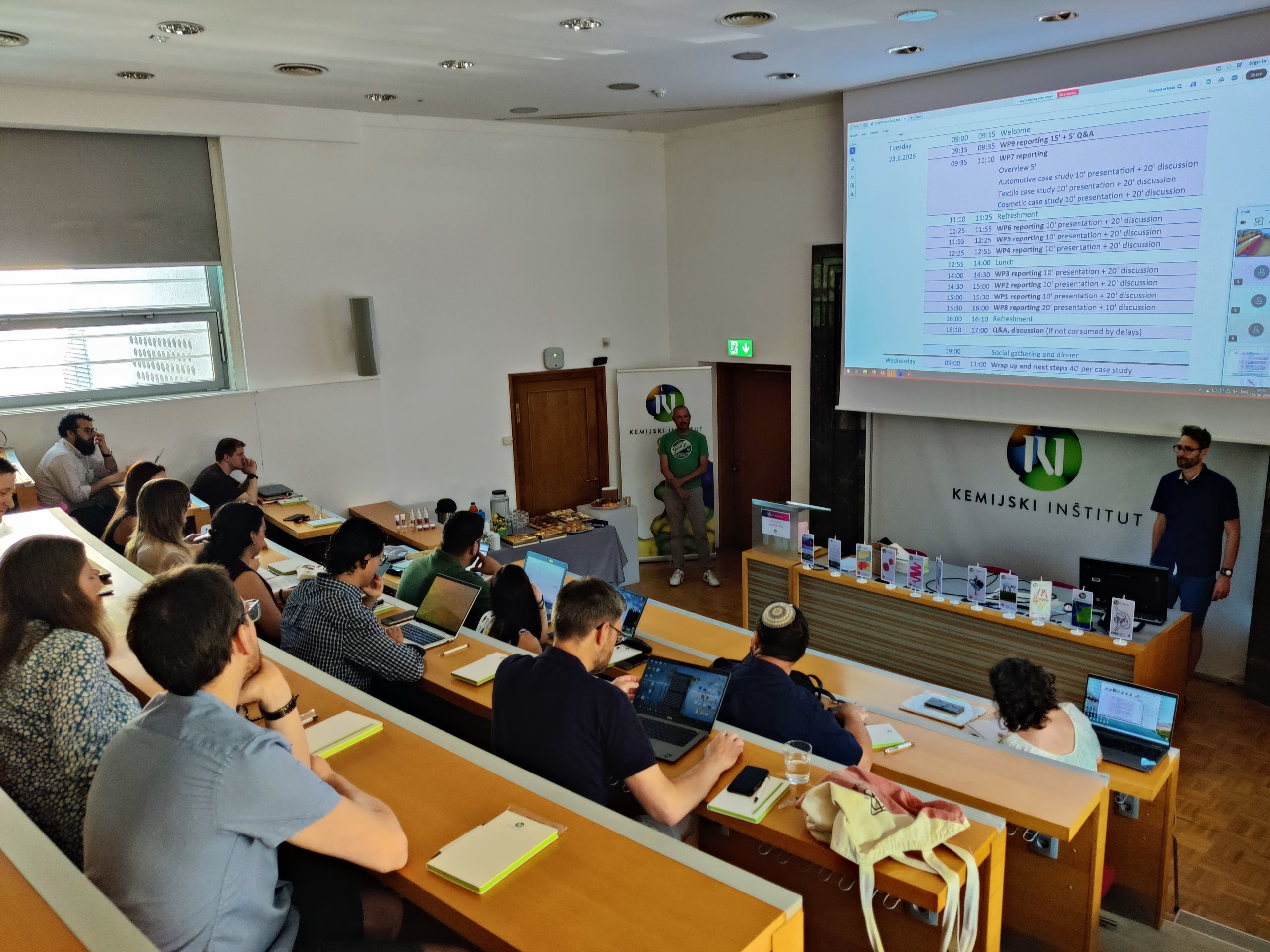
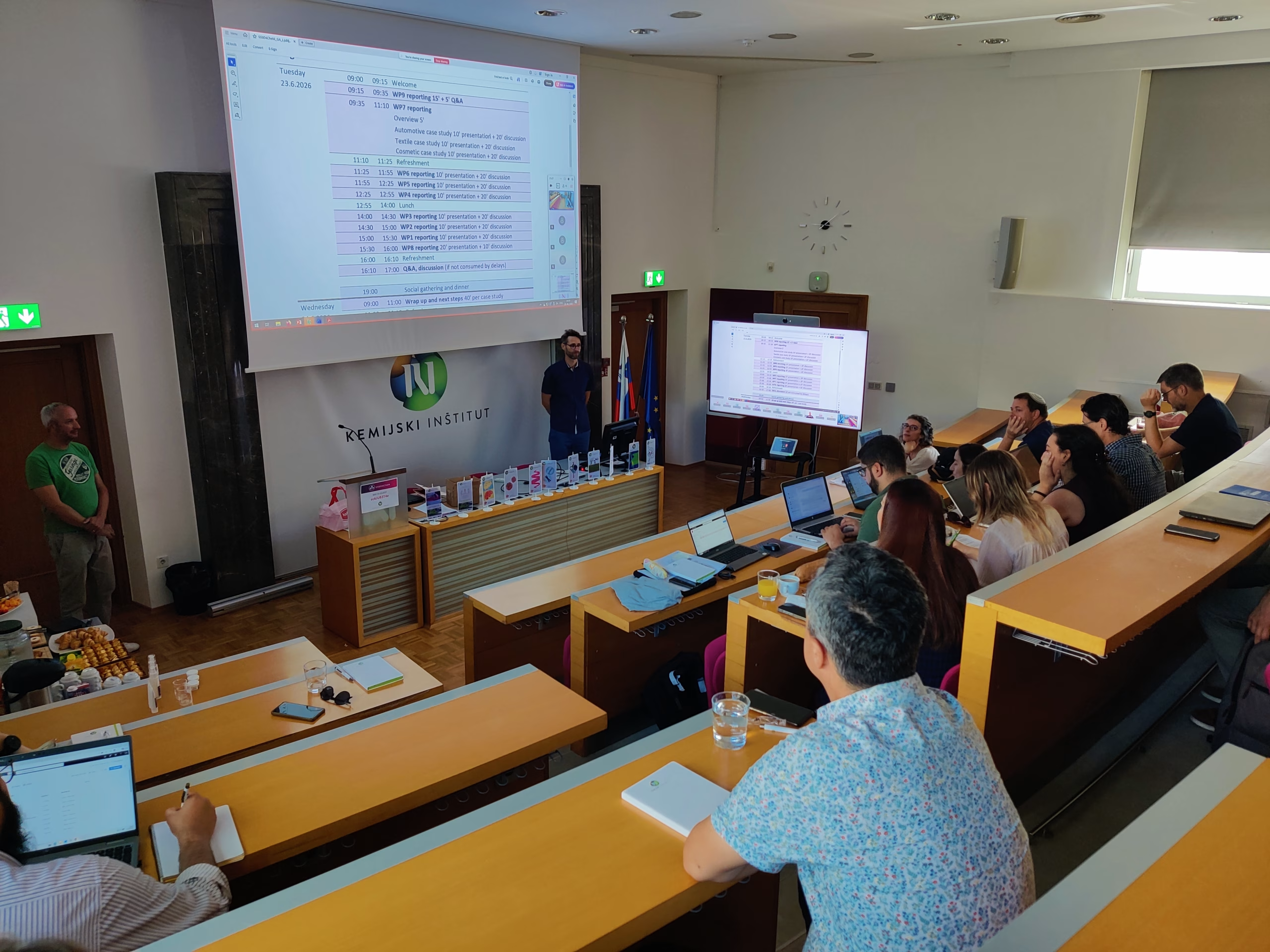
On 15th December 2025, the SSbD4CheM consortium came together virtually for the M24 General Assembly. The meeting provided an opportunity to review the progress achieved over the past six months and to align on priorities and next steps for the months ahead.

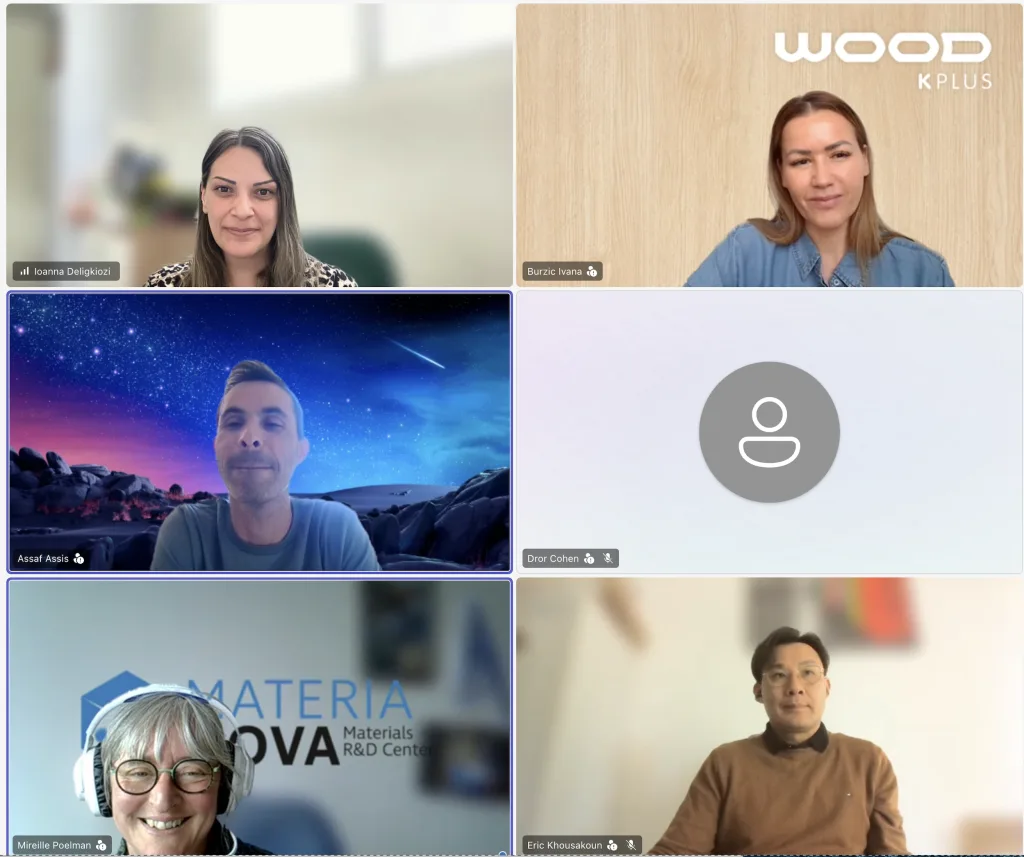
Partners presented updates across the project’s Work Packages, highlighting key scientific and technical advances. Presentations were delivered by WP leaders (Milica Velimirovic, Beatriz Alfaro Serrano, Ivana Burzic, Barry Hardy, Tassos Papadiamantis/Panagiotis Kolokathis, Stephan Wagner, Yvonne Kohl, Wouter Gebbink, and Fruela Pérez Sánchez). A dedicated session also focused on the progress of the internal case studies in the automotive, textiles, and cosmetics sectors.

We were pleased to have some members of the External Advisory Board (EAB) joining us — Melanie MacGregor, Linda J. Johnston, Matteo Zanotti Russo, and Dr. Ze’evi Ma’or — and we sincerely thank them for their continued support and valuable guidance on project developments.

As always, it was a pleasure to connect with all partners and to continue working together towards the goals of SSbD4CheM.

GroupPicture_1
GroupPicture_2
GroupPicture_3

Read More