Category: News

SSbD4CheM_OverviewPlatform

The SSbD4CheM Knowledge Sharing Platform: Turning Safe and Sustainable by Design into Practice

The transition to safer and more sustainable chemicals and materials requires more than good intentions — it needs accessible knowledge, practical tools, and shared understanding across disciplines. This is exactly the main aim of the EU-funded project SSbD4CheM project. The project is developing the SSbD4CheM Knowledge Sharing Platform, a centralized, web-based infrastructure that offers tools, data, guidance, and training to support the implementation of the SSbD framework for chemicals and AdMa, as elaborated by the EC Joint Research Centre (JRC), and help stakeholders (researchers, industry, policymakers, etc.) translate the SSbD principles into real-world decision-making throughout their innovation processes.

Overview of the SSbD4CheM Knowledge Sharing Platform

The platform brings together a wide range of tools, data resources, methodologies, and guidance materials relevant to SSbD. Instead of navigating multiple disconnected sources, users can access structured information that supports safety and sustainability considerations from the earliest design stages through to assessment and evaluation. One of the platform’s key functions is to enable structured SSbD assessment workflows. Users can explore digital tools that support hazard screening, sustainability evaluation, and life-cycle thinking, helping them document and compare design choices in a transparent and reproducible way.

Beyond tools and data, the Knowledge Sharing Platform also serves as a learning environment. It provides access to training materials, guidance documents, and explanatory resources that help users understand SSbD concepts, methodologies, and regulatory contexts — supporting capacity building across sectors and disciplines.

In line with EU best practices, the platform promotes FAIR principles (Findable, Accessible, Interoperable, Reusable), ensuring that data and resources hosted or linked through the platform can be more easily discovered, reused, and integrated into other tools, projects, and innovation processes.

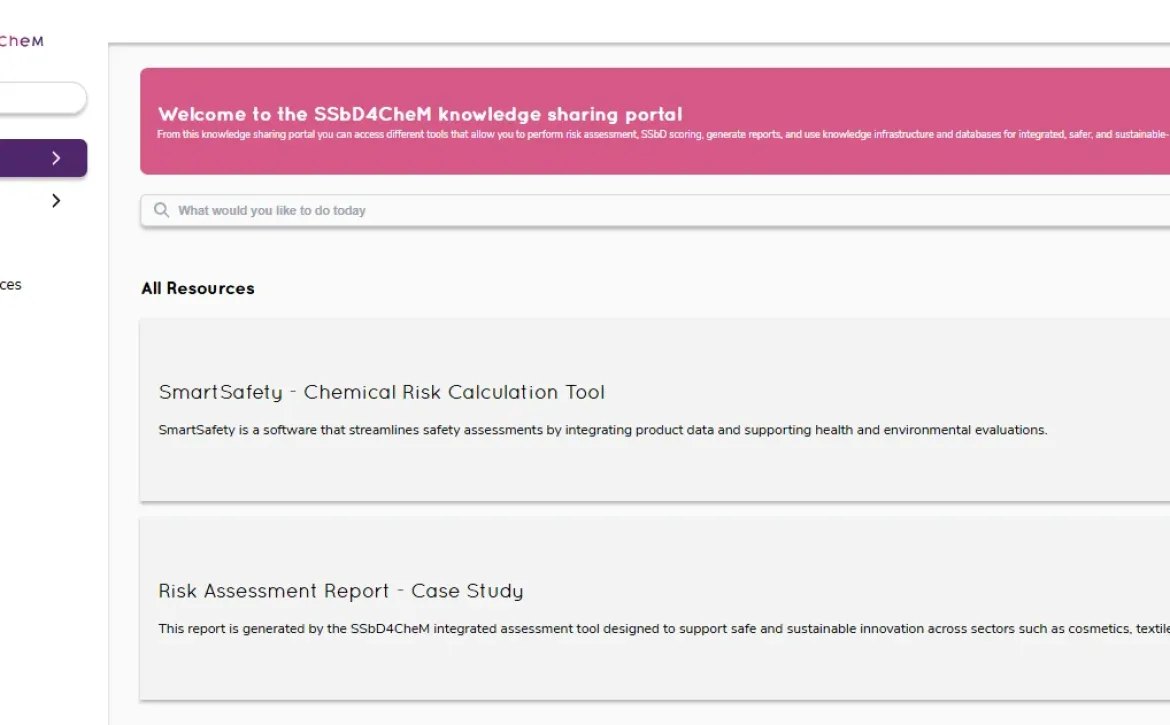
Through the platform, users can access different tools that allow them to perform risk assessment, SSbD scoring, generate reports, and use knowledge infrastructure and databases for integrated, safer, and sustainable-by-design workflows. By the beginning of January 2026, the platform contains following resources:

  • Risk Assessment Report – Case Study: This report is generated by the SSbD4CheM integrated assessment tool designed to support safe and sustainable innovation across sectors such as cosmetics, textiles, and automotive.
  • SmartSafety – Chemical Risk Calculation Tool: Software that streamlines safety assessments by integrating product data and supporting health and environmental evaluations.
  • ASPA-assist: Web-based graphical interface which guides users through the steps and decisions involved in applying the SSbD process.
  • ToxTemp: Web-based tool and database designed to document methods by supporting various readiness levels to ensure method evaluation and transparency.
  • ACCORDs KI: Platform for accessing and submitting research protocols, experimental data, and images, offering standardised upload templates and a materials characterisation toolbox.
  • SDS collector/extractor: Tool that allows users to search, download, and extract structured data from SDS using CAS numbers or IUPAC names, exporting the information in CSV format.
  • PubMed ChemInsight: To accelerate literature discovery on chemicals and biological targets with smart search, synonym expansion, and automated result delivery.
  • PubChemPal: Interactive, user-friendly application that enables scientists, researchers, and regulatory professionals to retrieve, clean, and explore structured PubChem compound data using CAS numbers or PubChem CIDs.
  • ECHA database and notebooks: Provides access to chemical safety data and organized documentation (e.g. Chemical similarity search on RDT studies from REACH database, Repeated dose toxicity studies from reach database, EdelweissData dataset for CLP classifications, EdelweissData dataset for ecotoxicological endpoints)
  • Protocols area – guidance and database: Database of in silico and in vitro protocols used throughout the project, providing standardized methods and guidance.
  • Data area – guidance and access: Guidance page for information on data management

SSbD4CheM Protocol Database with uploaded protocols

The SSbD4CheM Knowledge Sharing Platform is designed as a collaborative space. By connecting tools, knowledge, and stakeholders, it supports dialogue and exchange between scientists, innovators, regulators, and sustainability experts working toward the same goal: chemicals and materials that are safe and sustainable by design. It is a practical enabler for embedding SSbD thinking into chemical and material innovation, helping turn policy ambitions into actionable, science-based practice.


Explore now the SSbD4CheM Knowledge Sharing Platform here.

Read More
Barry Hardy

WP Leaders interview series: Barry Hardy (EwC)

Barry Hardy (Edelweiss Connect)

Barry Hardy is CEO of Edelweiss Connect (Switzerland). Within SSbD4CheM, he is leading the work package dealing with the project SSbD framework and workflow.

Tell us a bit about yourself. What is your area of expertise?

Barry Hardy: I am Founder and CEO of Edelweiss Connect, working at the intersection of computational toxicology, FAIR data infrastructure, and Safe and Sustainable by Design (SSbD) innovation. Our expertise focuses on developing knowledge infrastructures and mechanistically interpretable modeling workflows that integrate experimental and computational evidence to support predictive safety assessment. This includes development of FAIR-compliant data frameworks, AOP-based mechanistic modeling, and AI-assisted workflows such as ASPA, designed to generate high-quality, traceable evidence suitable for industrial decision-making and future regulatory acceptance.

How does your specific work package “SSbD4CheM framework and workflow” contribute to the project?

BH: Our work package contributes by developing the SSbD framework implementation layer that connects FAIR data, mechanistic knowledge infrastructure, and industrial innovation workflows. We are extending ASPA workflows to support SSbD applications, enabling structured integration of experimental data, mechanistic pathway knowledge, and predictive models into reproducible evidence packages. This infrastructure ensures that safety and sustainability assessments are transparent, traceable, and reusable, supporting industrial partners in making informed design decisions and preparing evidence that can ultimately support regulatory evaluation and acceptance.

What is the most exciting thing about the activities in your work package?

BH: The most exciting aspect is enabling a transition from fragmented data and isolated experiments to integrated, mechanistically grounded evidence that can directly guide safer and more sustainable chemical and material design. By combining FAIR data principles, knowledge graphs, and mechanistic modeling workflows, we are creating a foundation where safety and sustainability can be evaluated predictively and early in innovation. This opens the door to faster, more reliable development of safer products while building confidence in new approach methodologies (NAMs) that can eventually replace animal testing and support regulatory transformation.

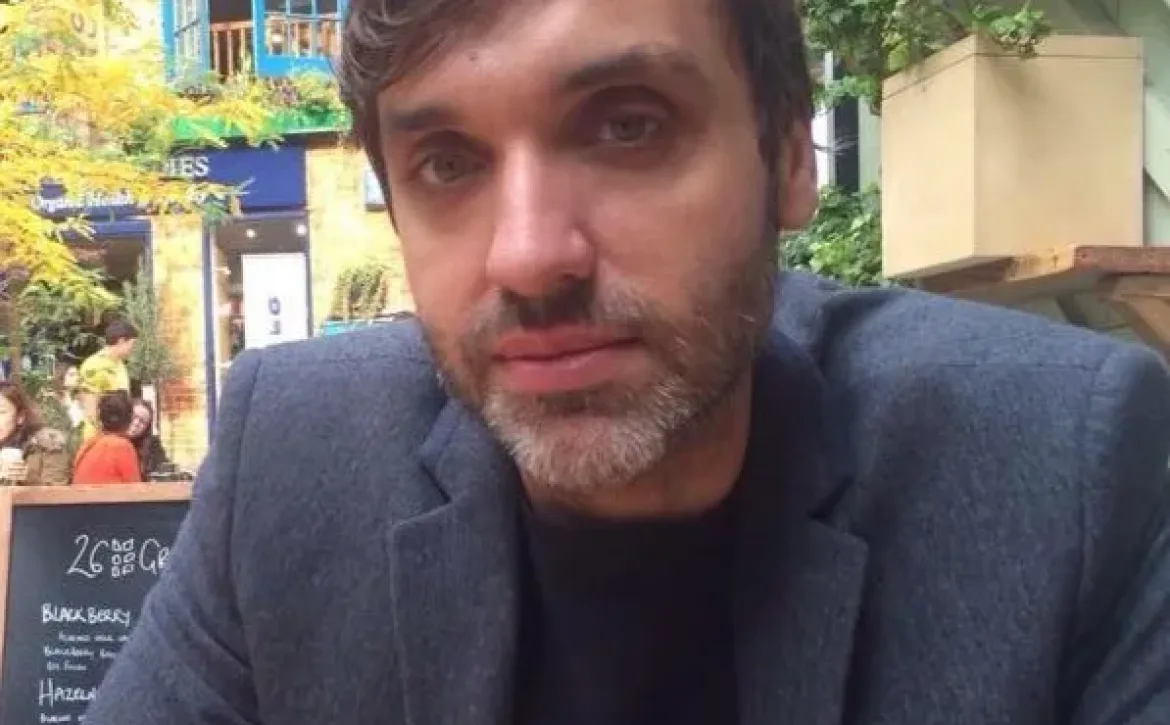
- Barry Hardy photo

- Barry Hardy

CEO at Edelweiss Connect and Founder of SaferWorldbyDesign

“By integrating FAIR data, mechanistic knowledge, and AI-assisted workflows, we are transforming fragmented scientific evidence into predictive, transparent, and reusable knowledge—empowering industry to design safer and more sustainable chemicals and materials from the earliest stages of innovation, while building the foundation for future regulatory acceptance.

From your point of view, who can benefit the most from the project?

BH: Industrial innovators and product developers will benefit significantly by gaining tools and frameworks that allow them to design safer and more sustainable chemicals and materials more efficiently and with greater confidence. At the same time, regulators and the broader scientific community will benefit from access to structured, high-quality, and reproducible evidence that supports transparent safety and sustainability assessment. Ultimately, society as a whole benefits through safer products, reduced environmental impact, and accelerated adoption of innovative, human-relevant methods for safety evaluation.

Read through this powerful reflection poem from Barry Hardy, on humanity standing at a crossroads, armed with powerful intelligence and technology yet risking ecological collapse, social fragmentation, and moral drift if wisdom and empathy do not guide action. It calls for stewardship, compassionate AI, cultural renewal, and collective responsibility to consciously design a safer, more humane world while there is still time.

Read More
Edelweiss_SETAC_2025_Poster

SSbD4CheM at SETAC North America 46th Annual Meeting (16-20.11.2025, Portland)

SSbD4CheM was represented at the SETAC North America 46th Annual Meeting, one of the leading international conferences dedicated to environmental science, toxicology, and sustainable solutions in environmental chemistry.

Organised by the Society of Environmental Toxicology and Chemistry (SETAC), the annual meeting gathered from 16-20 November 2025 in Portland (Oregon) more than 1.500 participants from research institutions, international organisations, regulatory bodies, local and national authorities, regional stakeholders, and end-user communities from across the world.

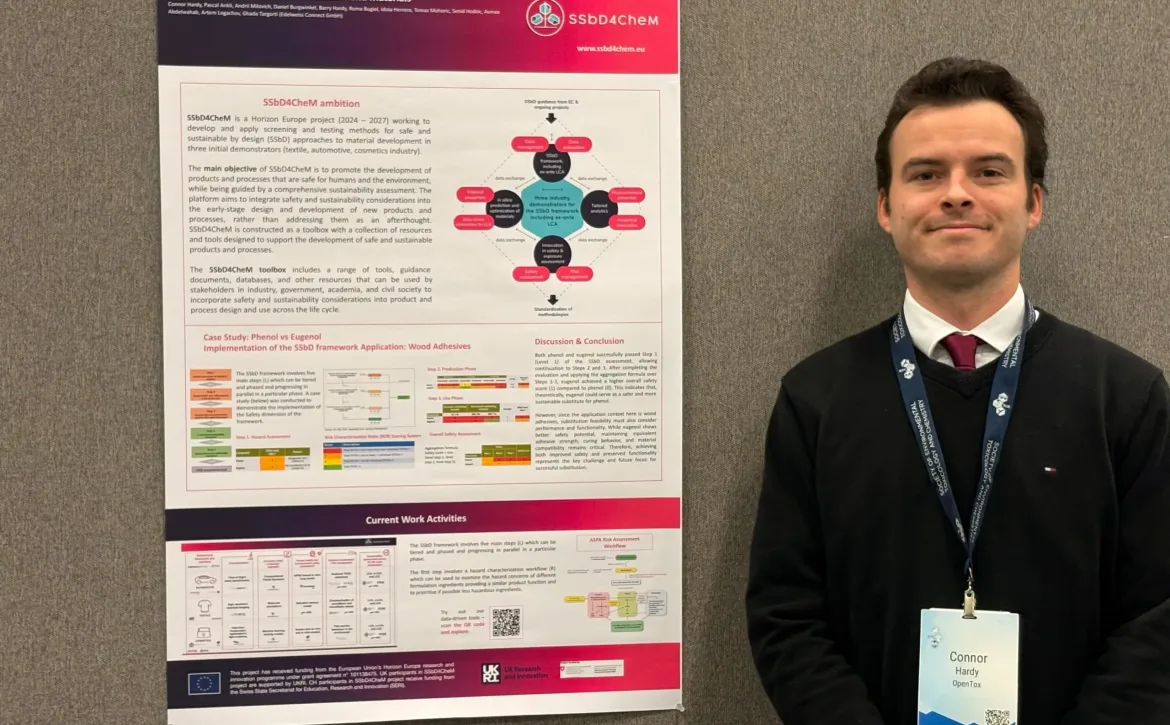
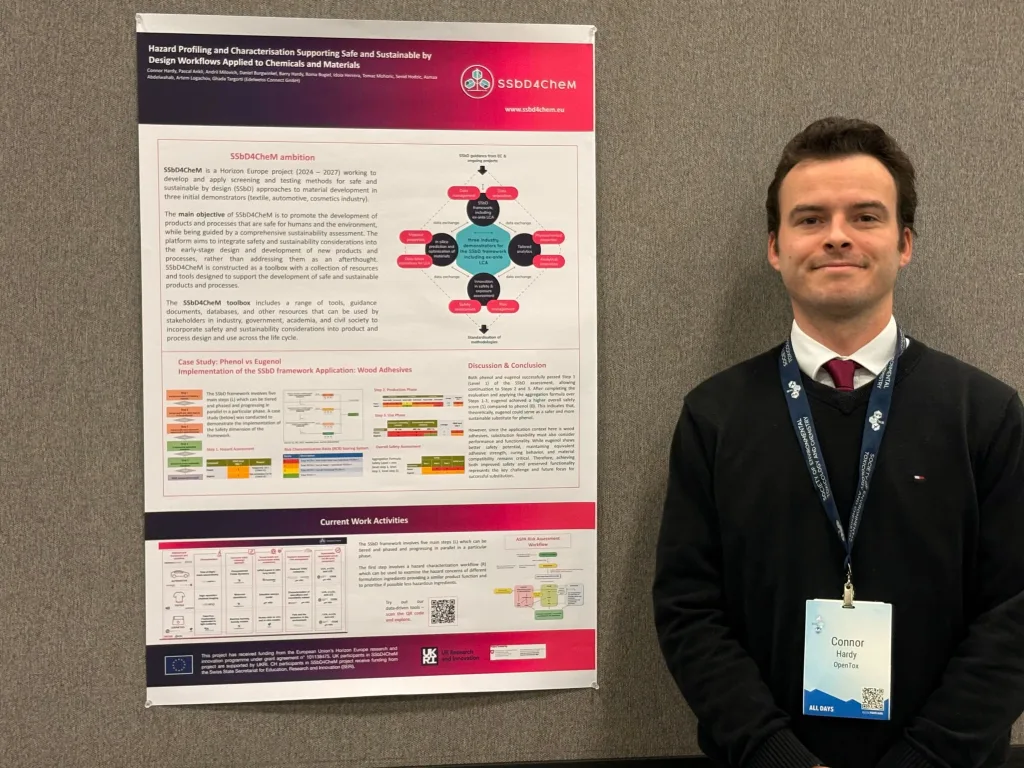
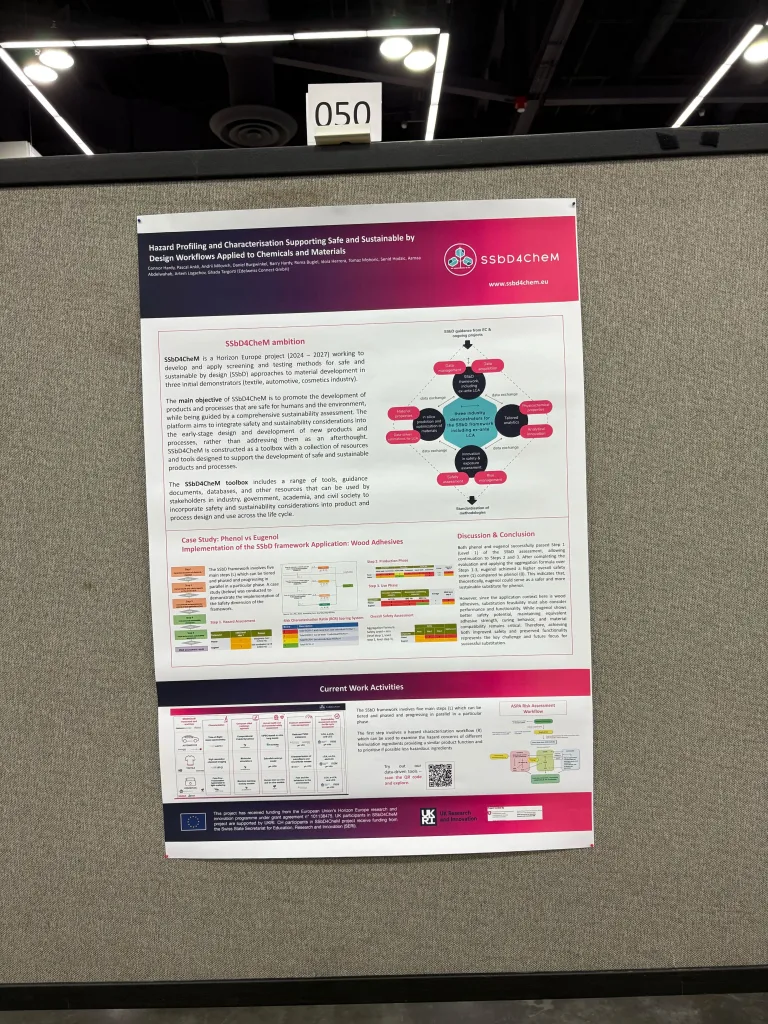
During the event, Connor Hardy from Edelweiss Connect, partner of the SSbD4CheM project, presented a poster entitled “Hazard profiling and characterisation supporting Safe and Sustainable by Design Workflows applied to chemicals and materials”. The presentation highlighted the project’s objectives, ongoing activities, and recent progress in supporting Safe and Sustainable by Design (SSbD) approaches for chemicals and materials.

Participation in the conference provided an excellent opportunity to promote the SSbD4CheM project within the North American SETAC community, while also fostering networking and exchange with researchers, policymakers, and industry representatives working towards safer and more sustainable chemical innovation.

Read More
GroupPicture_1

SSbD4CheM General Assembly M24

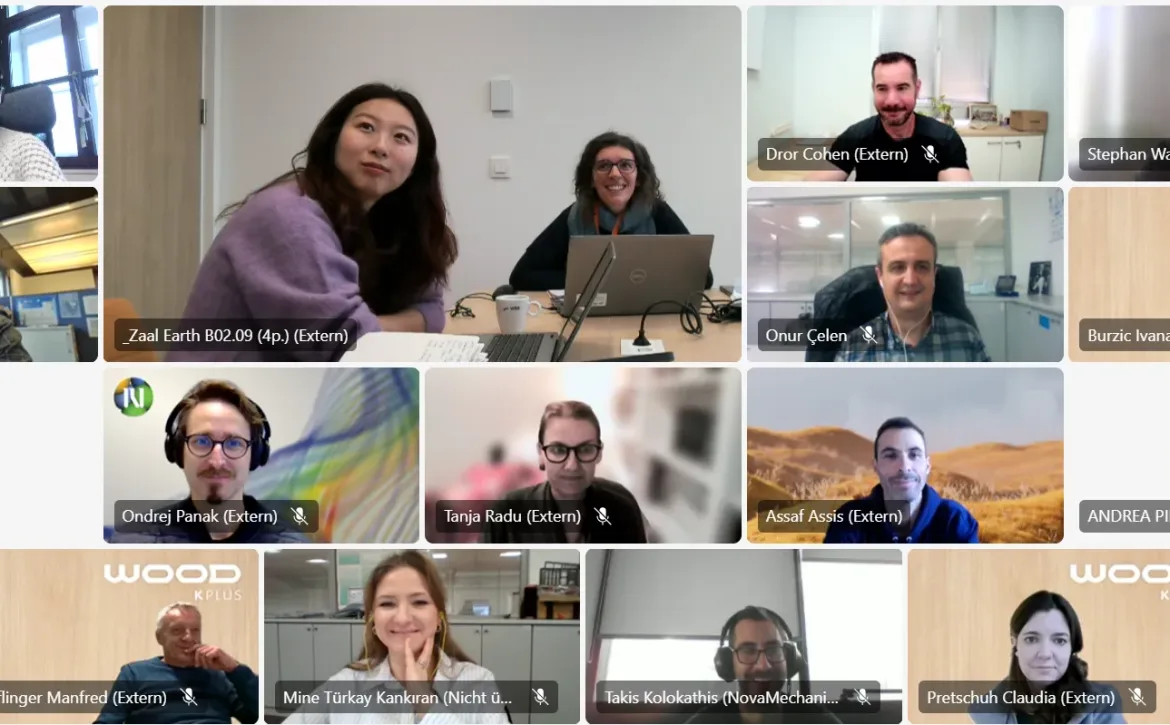
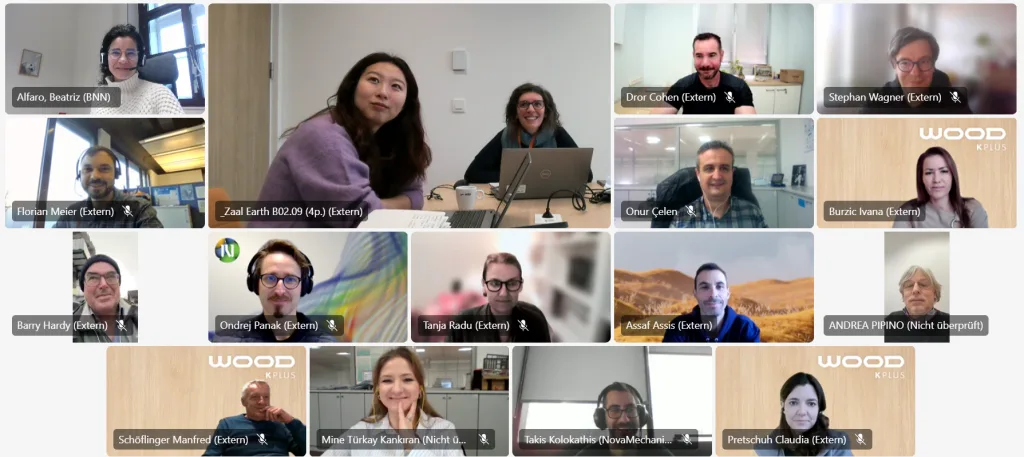
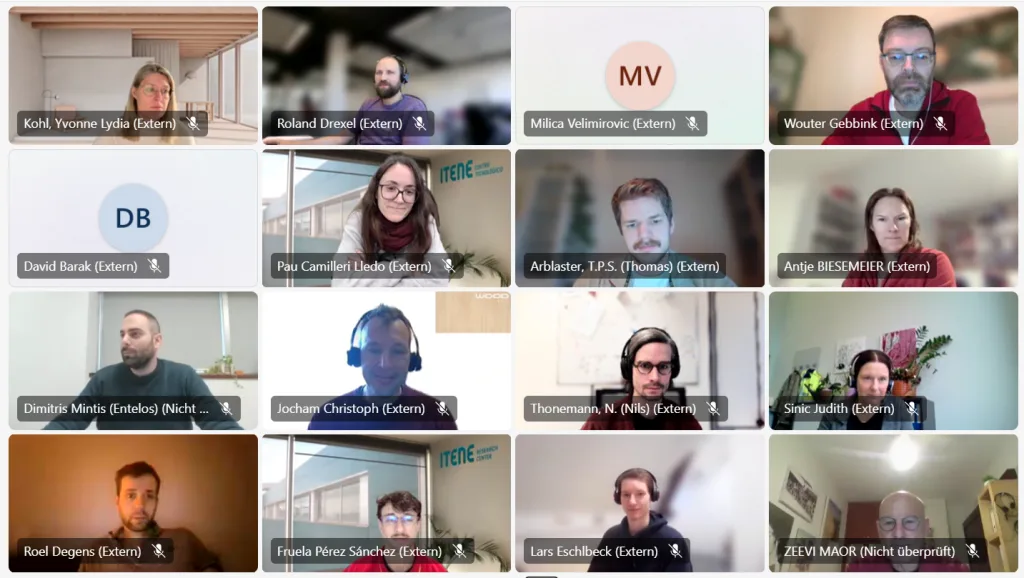
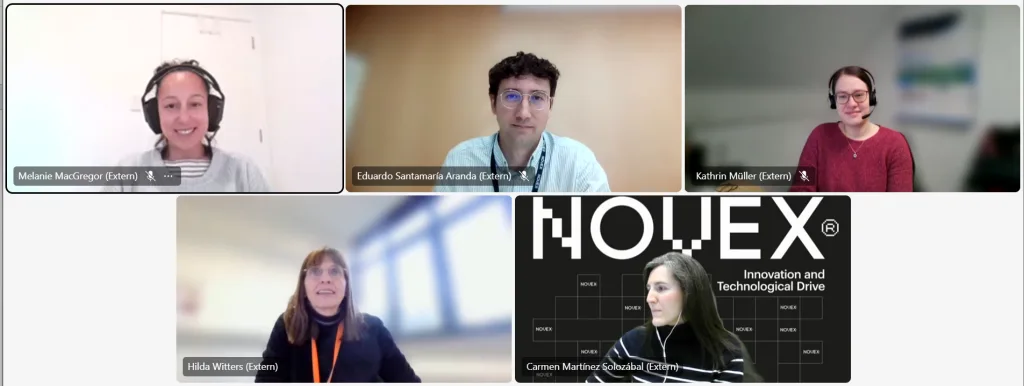
On 15th December 2025, the SSbD4CheM consortium came together virtually for the M24 General Assembly. The meeting provided an opportunity to review the progress achieved over the past six months and to align on priorities and next steps for the months ahead.

Partners presented updates across the project’s Work Packages, highlighting key scientific and technical advances. Presentations were delivered by WP leaders (Milica Velimirovic, Beatriz Alfaro Serrano, Ivana Burzic, Barry Hardy, Tassos Papadiamantis/Panagiotis Kolokathis, Stephan Wagner, Yvonne Kohl, Wouter Gebbink, and Fruela Pérez Sánchez). A dedicated session also focused on the progress of the internal case studies in the automotive, textiles, and cosmetics sectors.

We were pleased to have some members of the External Advisory Board (EAB) joining us — Melanie MacGregor, Linda J. Johnston, Matteo Zanotti Russo, and Dr. Ze’evi Ma’or — and we sincerely thank them for their continued support and valuable guidance on project developments.

As always, it was a pleasure to connect with all partners and to continue working together towards the goals of SSbD4CheM.

GroupPicture_1
GroupPicture_2
GroupPicture_3

Read More
G4F_ScientificDay_VITO

SSbD4CheM @ G4F Scientific Day

On 4–5 December 2025, SSbD4CheM participated in the G4F Scientific Day – Environment & Health, held in Brussels and dedicated to the theme “Field-Flow Fractionation (FFF): pharmaceutical and environmental applications.” The two-day event gathered an international audience and offered a rich programme featuring 2 keynote lectures, 7 scientific talks, 2 interactive workshops, and multiple networking opportunities. In total, around 20 participants from across Europe took part.

Representing the SSbD4CheM project, Dr. Milica Velimirović Fanfani (VITO) contributed to the scientific programme with her presentation, “Holistic Nanoplastics Analysis: The Role of Field-Flow Fractionation in a Comprehensive Multimethod Framework.” Her talk highlighted the importance of FFF in characterising complex nanoplastic mixtures and demonstrated how multimethod approaches can enhance analytical robustness—key elements in advancing safe and sustainable materials assessment.

Throughout the event, Dr. Velimirović Fanfani also engaged in discussions exploring collaboration opportunities with other European researchers and stakeholders, further strengthening SSbD4CheM’s international outreach.

Agenda available here.

G4F_ScientificDay_VITO

Read More
BelTox-BEMS_AnnualMeeting_2025_VITO (2)

SSbD4CheM @ BelTox–BEMS Annual Meeting 2025

On 4 December 2025, the SSbD4CheM project took part in the BelTox–BEMS Annual Meeting 2025, hosted at Sciensano in Brussels. This year’s edition, “Unmasking Microplastics: Impacts, Challenges and Implications for (Eco)Toxicology,” brought together around 100 participants researchers (academia and industry) to explore one of today’s most rapidly evolving topics in environmental and human health research.

Co-organised once again by the Belgian Society of Toxicology and Ecotoxicology (BelTox) and the Belgian Environmental Mutagen Society (BEMS), the meeting offered a comprehensive overview of the microplastics landscape. Participants were introduced to key concepts in microplastics research and learned about state-of-the-art analytical methods—including Pyr-GC/MS coupled with sp-ICP/MS and advanced microscopy techniques. The programme also highlighted the presence and effects of microplastics in agricultural soils and showcased interdisciplinary progress spanning ecotoxicology, analytics, and human health.

The event further addressed toxicity assessment using in vivo and alternative models and examined persistent challenges in risk assessment, such as data quality and knowledge gaps regarding health impacts. Mitigation strategies, insights from EU-funded research, and the Young Scientists Competition enriched the day through discussion, innovation, and networking.

Representing SSbD4CheM, Dr. Milica Velimirović Fanfani (VITO) contributed to the scientific programme with her presentation, “Low µm-range microplastics and nanoplastics: finding the needle in the haystack”. Her participation also fostered national outreach and opened discussions on potential collaboration opportunities within Belgium’s growing microplastics research community.

BelTox-BEMS_AnnualMeeting_2025_VITO (2)
BelTox-BEMS_AnnualMeeting_2025_VITO (3)
BelTox-BEMS_AnnualMeeting_2025_VITO (1)

Read More
GSRS25_BarryHardy

SSbD4CheM @ GSRS25

The 15th Global Summit on Regulatory Science 2025 (GSRS25) took place from 15–17 September 2025 in Lausanne, Switzerland. This year’s conference brought together more than 200 scientists to exchange their experiences and insights on the use of digital tools and artificial intelligence in regulatory science, for building a strong regulatory science with tomorrow’s technologies.

Representing the SSbD4CheM project, Barry Hardy (Edelweiss Connect) presented a poster showcasing the project’s work on developing a robust knowledge infrastructure. The poster, titled “FAIR Knowledge Infrastructure for Next Generation Risk Assessment and Safe and Sustainable by Design Workflows: Enabling High-Integrity Evidence Generation for Regulatory Submissions Including New Approach Method Results”, highlighted how FAIR data principles can support next-generation risk assessment and Safe and Sustainable by Design approaches. The poster introduced a FAIR knowledge infrastructure that integrates NAMs data, mechanistic insights, and harmonized workflows to generate transparent, traceable, and regulatory-grade evidence. It supports NGRA and SSbD through knowledge graphs, standardized data, and AI-ready structures, enabling robust assessments, improved data reuse, and compliance with evolving regulatory expectations.

The participation in GSRS25 offered an excellent opportunity to engage with regulatory scientists and foster new interactions relevant to the project’s goals.

The poster programme is available here.

GSRS25_BarryHardy
GSRS25_BarryHardy3
GSRS25_BarryHardy2

Read More
WC13_BarryHardy1

SSbD4CheM @ WC13

The 13th edition of the World Congress on Alternatives and Animal Use in the Life Sciences (WC13) took place from 31 August to 4 September 2025 in Rio de Janeiro, Brazil. This major international event brought together around 2,000 participants from academia, industry, innovation communities, and other stakeholder groups. Over five days, attendees took part in 141 sessions organised across five main themes: One Health, Human Health, Animal Health, Environmental Health, and Education.

Representing the SSbD4CheM project, Barry Hardy and Connor Hardy (Edelweiss Connect) participated in the congress. Barry Hardy delivered two oral presentations on AI in risk assessment and Safe and Sustainable by Design (SSbD) on 1 September, in Session 132 (“Application of New Approach Methods in the Safe and Sustainable Design of Innovative Products”) and Session 20 (“Artificial Intelligence to reduce and replace animal testing”). He also chaired the Session 132.

The presentations were titled:

  • “AI-assisted Next Generation Risk Assessment and Safe and Sustainable by Design Workflows enabled by FAIR Data and Knowledge”
  • “Safe and Sustainable by Design Workflows supporting Product Design and Decision Making”

The congress offered a valuable opportunity to identify potential new collaborations and to disseminate the work carried out within the SSbD4CheM project.

The conference agenda is available here.

WC13_BarryHardy3
WC13_BarryHardy2
WC13_BarryHardy

Read More
ScreenshotInternalTraining_BarryHardy2

Internal Training on SSbD (28.05.2025)

On 28 May 2025, an internal online workshop was held under the SSbD4CheM project for a duration of two hours. The session was organized by the Edelweiss Connect (EwC) team and attended by members of the entire consortium. The aim of the workshop was to provide an overview and hands-on demonstration of the SSbD tools implemented within the SSbD4CheM Knowledge Sharing Portal, supporting safer and sustainable by design (SSbD) assessments.

Detailed program:

The first part introduced the SSbD framework and presented how the newly developed tools can support the first step of the assessment process by increasing automation and simplifying user interaction.

The second part focused on AI-assisted resources designed to facilitate knowledge discovery and extraction. One highlighted tool was the SDS Toolbox, which enables users to search for Safety Data Sheets (SDS) online using a CAS number or IUPAC name, and to automatically parse and extract structured data from SDS PDF files. This toolbox integrates an end-to-end pipeline combining the search (SDS-FIND) and extraction (SDS-STRUCT) components into a single seamless process [DOI: 10.5281/zenodo.16735362]. 

Another tool introduced during the workshop was PubChemPal, developed to facilitate efficient access, retrieval, and management of chemical data from PubChem for SSbD applications. PubMed ChemInsight is an intuitive web-based tool designed to help researchers efficiently retrieve and analyze scientific literature related to specific compounds and their interactions [DOI: 10.5281/zenodo.14771565]. 

Several notebooks were also integrated into the portal to support the project such as the dataset for CLP classification, ecotoxicological endpoints, as well as chemical similarity search on repeated dose toxicity studies, and repeated dose toxicity studies.

The next part introduced SmartSafety, an operational safety assessment and decision-support tool designed to manage and evaluate product safety through a centralized repository of ingredient and formulation data. The system can interoperate with other platforms to enhance the performance of human health assessments such as Margin of Safety (MOS) and Quantitative Risk Assessment (QRA) calculations as well as to estimate environmental impact indicators. A new module has been incorporated to specifically support SSbD-related evaluations.

NAMs Test Method Documentation was also addressed, which provides a template and database for the systematic documentation of in vitro methods. This resource enables linking test methods to their respective readiness levels and incorporates a review workflow to ensure quality and traceability.

The following sections addressed the Physical–Chemical Characterisation Workflow and the use of workflow software for documenting SSbD steps. The Physical–Chemical Characterisation Workflow presented the process for organizing and managing protocols and associated datasets. This workflow supports the generation of harmonized and traceable data, ensuring consistency across different stages of assessment and facilitating integration with other SSbD components.

Subsequently, the use of workflow documentation tools was demonstrated to illustrate the SSbD process through the ASPA-supported NGRA workflow. The extension of this workflow to SSbD enables a step-by-step visualization of the entire assessment, guiding users through each phase and ensuring the required documentation is linked to the corresponding decision points. This structured approach enhances transparency, reproducibility, and communication of the assessment outcomes within the SSbD framework.

Workshop materials:
  • The slides will be available soon
  • The recording will be available soon
ScreenshotInternalTraining_BarryHardy

Read More
20251125_C4R_2ndMeeting_GroupPic

SSbD4CheM @ 2nd Collab4Resilience (C&R) meeting

On 25 November 2025, the Collab4Resilience (C&R) network met for its second online networking workshop. 17 participants representing 9 EU-funded projects gather to further build on the KOM from April 2025, and aiming to strengthen collaboration between projects and enhance their visibility and outreach activities.

The meeting was opened by the Hamburg University of Applied Sciences, coordinator of the CheMatSustain project and leader of the initiative. They provided a brief overview of the network’s progress to date and recent developments within CheMatSustain. This was followed by a short presentation from the University of Bologna introducing the CheMatSustain Facility, the project’s key output, launched in 2025.

One of the highlights of the meeting was the “What We’re Proud Of” round, during which each project highlighted recent developments and achievements. Afterthat, we dive into a more interactive session with a digital mural to gather ideas for future communication activities—ranging from social media initiatives to joint events—as well as a knowledge-sharing activity to identify tangible collaboration opportunities.

The workshop concluded with a forward-looking discussion on plans for 2026, setting out practical next steps to strengthen communication, share resources, and foster mutual support.

Overall, the event demonstrated strong interest in further developing the community. 

Agenda of the meeting.

20251125_C4R_2ndMeeting_GroupPic

Read More