WP Leaders interview series: Barry Hardy (EwC)
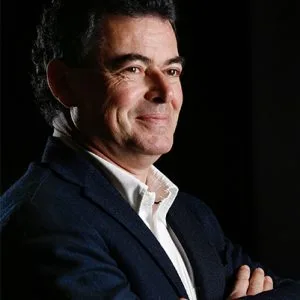
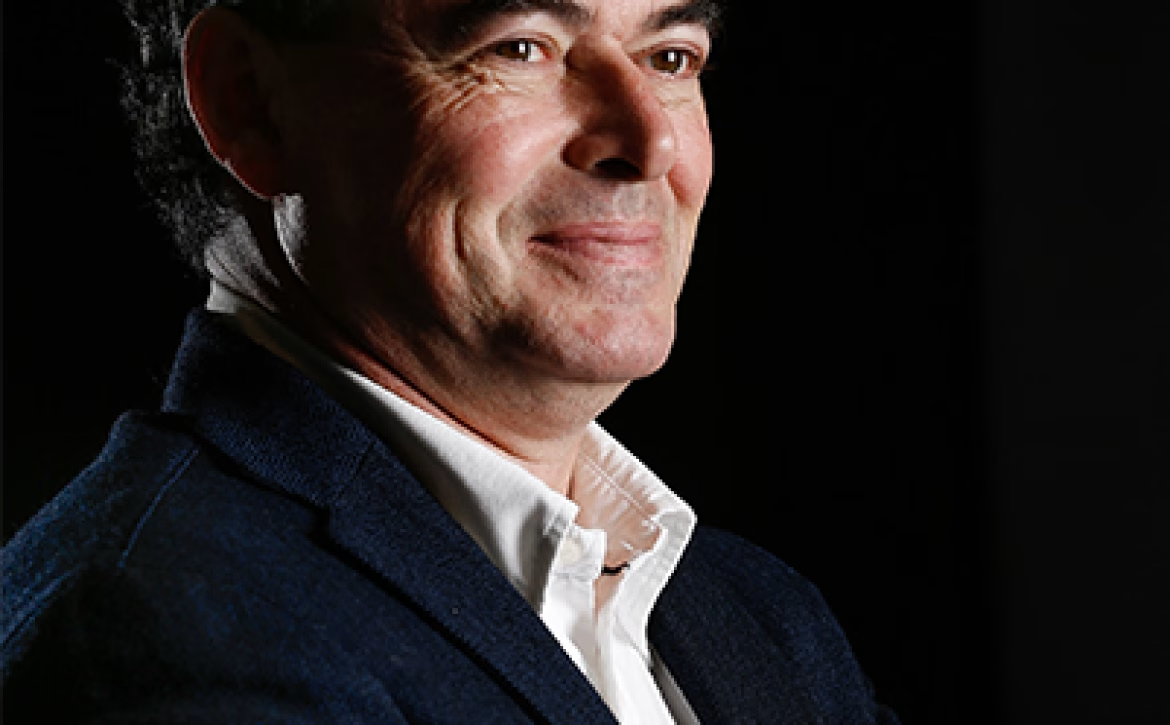
Barry Hardy is CEO of Edelweiss Connect (Switzerland). Within SSbD4CheM, he is leading the work package dealing with the project SSbD framework and workflow.
Tell us a bit about yourself. What is your area of expertise?
Barry Hardy: I am Founder and CEO of Edelweiss Connect, working at the intersection of computational toxicology, FAIR data infrastructure, and Safe and Sustainable by Design (SSbD) innovation. Our expertise focuses on developing knowledge infrastructures and mechanistically interpretable modeling workflows that integrate experimental and computational evidence to support predictive safety assessment. This includes development of FAIR-compliant data frameworks, AOP-based mechanistic modeling, and AI-assisted workflows such as ASPA, designed to generate high-quality, traceable evidence suitable for industrial decision-making and future regulatory acceptance.
How does your specific work package “SSbD4CheM framework and workflow” contribute to the project?
BH: Our work package contributes by developing the SSbD framework implementation layer that connects FAIR data, mechanistic knowledge infrastructure, and industrial innovation workflows. We are extending ASPA workflows to support SSbD applications, enabling structured integration of experimental data, mechanistic pathway knowledge, and predictive models into reproducible evidence packages. This infrastructure ensures that safety and sustainability assessments are transparent, traceable, and reusable, supporting industrial partners in making informed design decisions and preparing evidence that can ultimately support regulatory evaluation and acceptance.
What is the most exciting thing about the activities in your work package?
BH: The most exciting aspect is enabling a transition from fragmented data and isolated experiments to integrated, mechanistically grounded evidence that can directly guide safer and more sustainable chemical and material design. By combining FAIR data principles, knowledge graphs, and mechanistic modeling workflows, we are creating a foundation where safety and sustainability can be evaluated predictively and early in innovation. This opens the door to faster, more reliable development of safer products while building confidence in new approach methodologies (NAMs) that can eventually replace animal testing and support regulatory transformation.

- Barry Hardy
CEO at Edelweiss Connect and Founder of SaferWorldbyDesign“By integrating FAIR data, mechanistic knowledge, and AI-assisted workflows, we are transforming fragmented scientific evidence into predictive, transparent, and reusable knowledge—empowering industry to design safer and more sustainable chemicals and materials from the earliest stages of innovation, while building the foundation for future regulatory acceptance.”
From your point of view, who can benefit the most from the project?
BH: Industrial innovators and product developers will benefit significantly by gaining tools and frameworks that allow them to design safer and more sustainable chemicals and materials more efficiently and with greater confidence. At the same time, regulators and the broader scientific community will benefit from access to structured, high-quality, and reproducible evidence that supports transparent safety and sustainability assessment. Ultimately, society as a whole benefits through safer products, reduced environmental impact, and accelerated adoption of innovative, human-relevant methods for safety evaluation.
Read through this powerful reflection poem from Barry Hardy, on humanity standing at a crossroads, armed with powerful intelligence and technology yet risking ecological collapse, social fragmentation, and moral drift if wisdom and empathy do not guide action. It calls for stewardship, compassionate AI, cultural renewal, and collective responsibility to consciously design a safer, more humane world while there is still time.