IMG_20260427_141957900_MFNR

Microplastic workshop for children (27.04.2026, Mol)

As part of its commitment to promoting Safe and Sustainable by Design (SSbD) beyond the scientific community, the SSbD4CheM project recently contributed to an outreach activity aimed at inspiring younger generations.

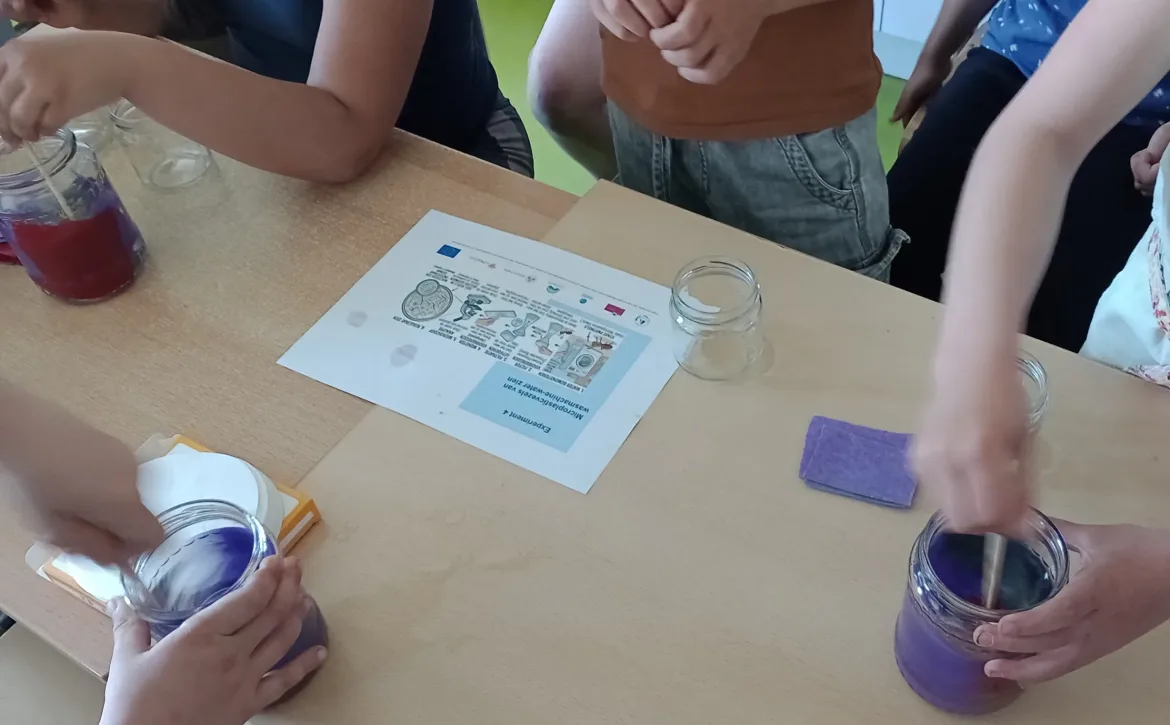
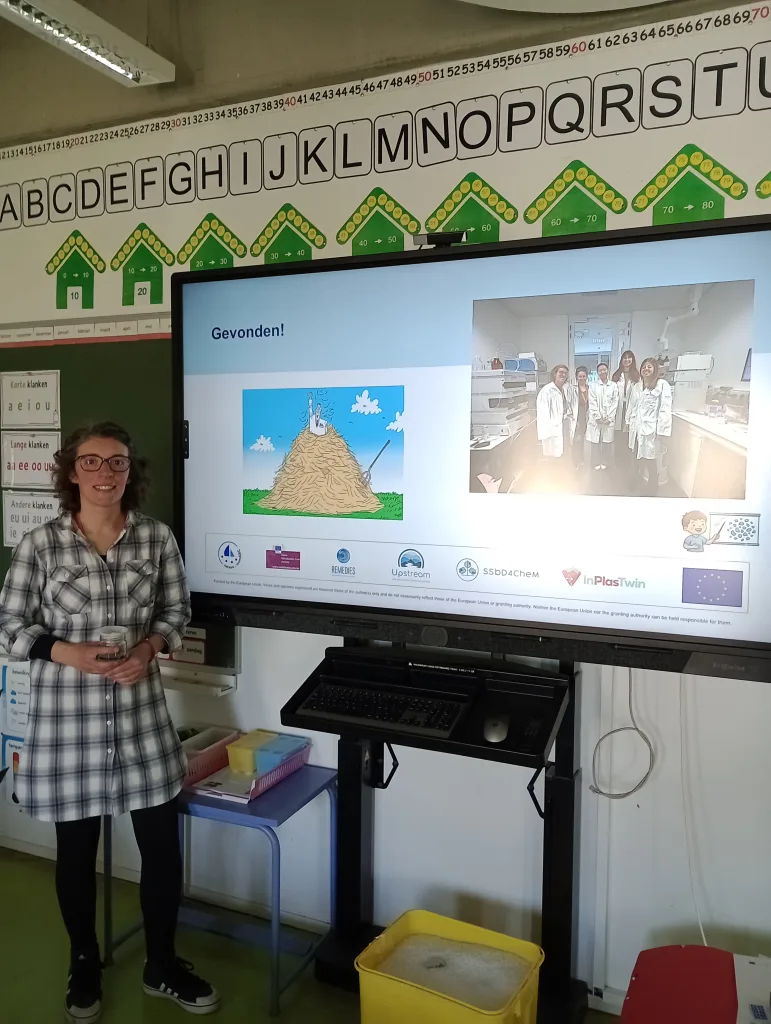
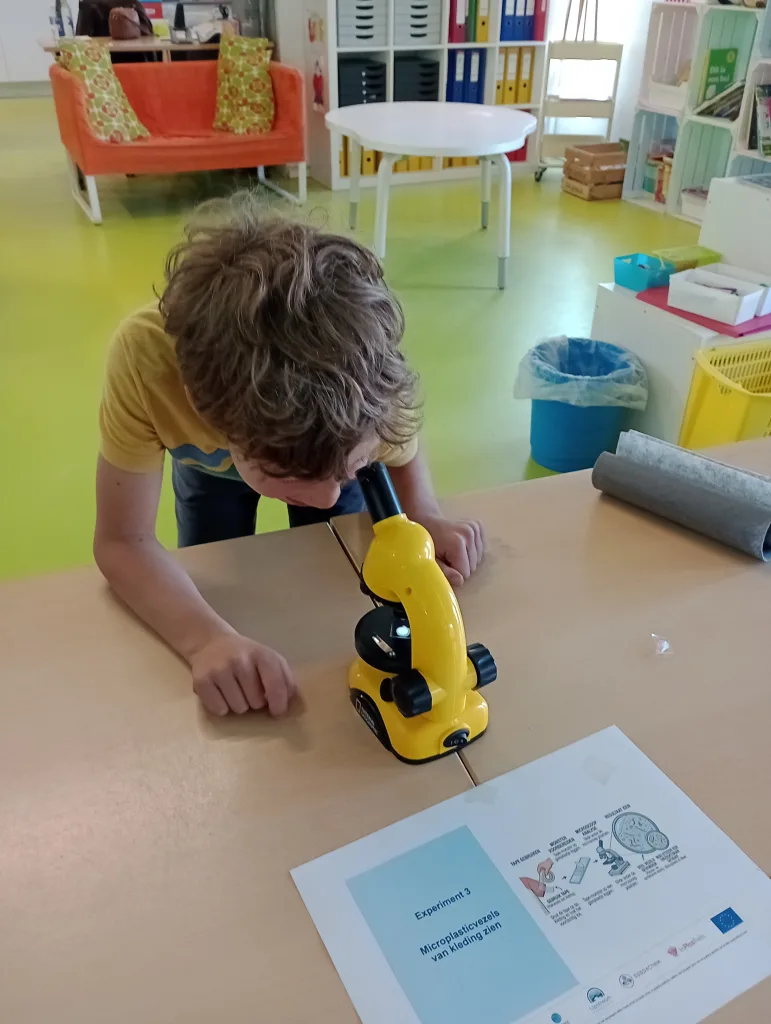
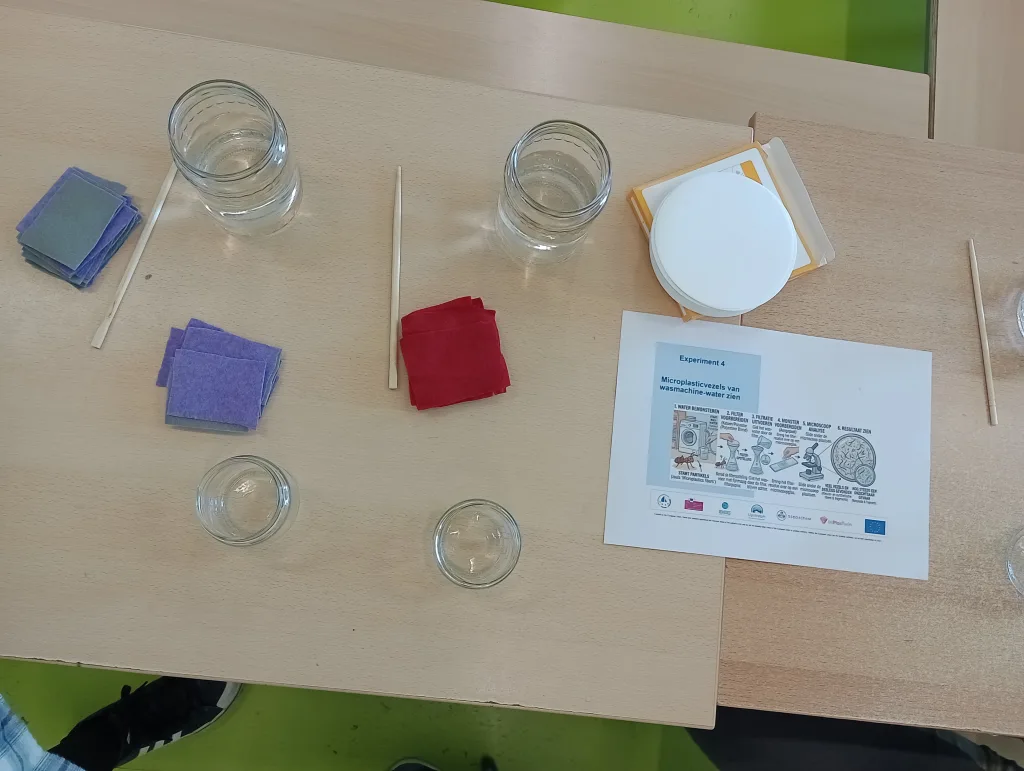
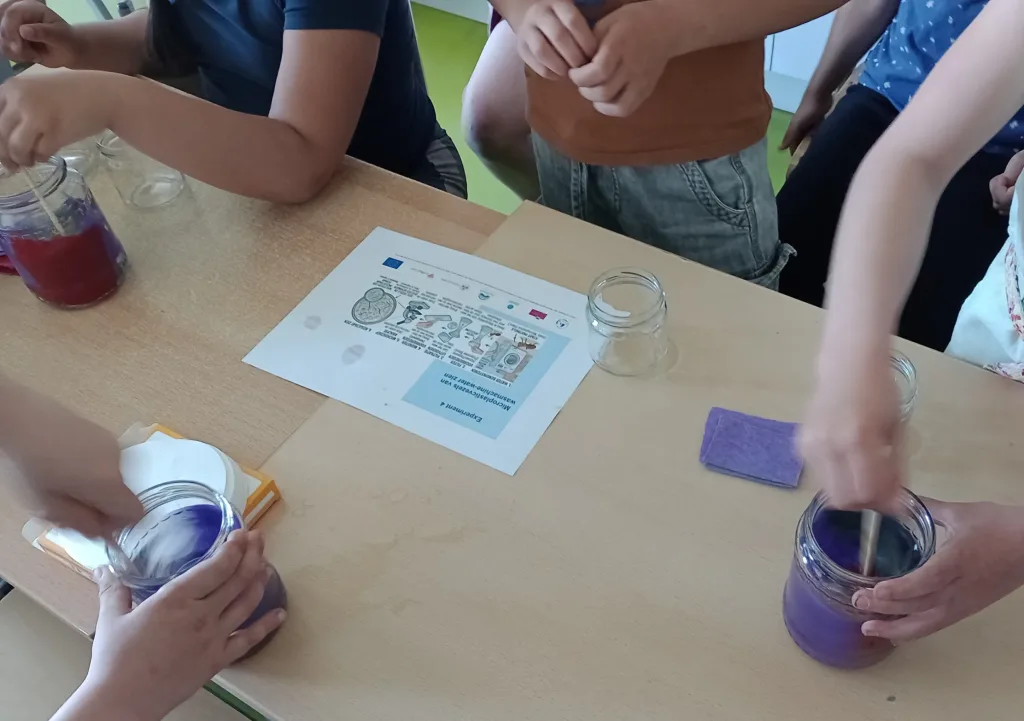
Milica Velimirovic (VITO) organised an interactive workshop on microplastics at a primary school in Mol, Belgium, with a group of 41 kids and 2 teachers. The activity connected scientific research with accessible learning, introducing children to a topic that is increasingly relevant for environmental and human health.

The session combined scientific explanation with hands-on experience, allowing children to explore the topic in an engaging and practical way. It included:

  • A short introduction to the “world of microplastics” 
  • Interactive experiments, including microscopy observations to make the invisible visible
  • A fun quiz to reinforce key learnings

The workshop highlighted how research conducted within SSbD4CheM and other projects VITO is involved (InPlasTwin, REMEDIES, Upstream) contributes to understanding and addressing challenges related to chemical safety and sustainability, including emerging concerns such as microplastics.

Beyond advancing scientific knowledge, SSbD4CheM is committed to raising awareness and fostering dialogue with society. Activities like this play a key role in building early awareness and encouraging curiosity among young people. By bringing science into the classroom, the project helps empower future generations to better understand environmental challenges and contribute to developing sustainable solutions.

Read More
2ndNSCworkshopSSbDscenarios_Cover

Recap of the 2nd NSC workshop on “SSbD scenarios” on 5 December 2025
Following up from the 1st NSC workshop on “SSbD scenarios for advanced and incremental innovations” (23 June 2025), the NSC Working Group on Safe and Sustainable by Design (SSbD), Innovation & Regulation organised a virtual 2nd NSC workshop on SSbD Scenarios on 5th December 2025. Similarly as the first workshop, this second one was prepared as a collaborative effort among several EU-funded projects: DESIDERATA,  PLANETS, SSbD4CheM, and SUNRISE.

The 1st NSC scenarios workshop laid the basis by the description of a scenario by aspects of novelty, exposure, severity, (environmental) sustainability, (economic) scope and immediacy. Case studies enabled a refinement of the scenario description (Wohlleben et al. 2025). The concept of a scenario was integrated by JRC into the revised SSbD Framework, where it serves as a bridge between the SSbD scoping and a tailored safety and sustainability assessment (reproduced in lower figure). It was described as “a specific and real set of conditions (scoping analysis elements) that define the context in which the SSbD assessment is carried out.”(Garmendia Aguirre et al. 2025). 

This 2nd NSC scenarios workshop explored how to describe an SSbD scenario, the tailoring rules related, as well as how to select which tailored approach fits best a specific innovation case. Examples of real-world cases were provided by innovators from the projects DESIDERATA, PLANETS, SSbD4CheM, and SUNRISE. In breakout sessions moderated teams went through the respective cases to define the SSbD maturity, pull and push, expected commercial value, probability of success (technical and commercial) and ultimately the return on investment that additional SSbD would expect. Obtained results were compared to six proposedly archetypal SSbD scenarios. This business-focussed algorithm enables defining a tailored SSbD in a more straight-forward manner. Such an approach, based on specifications collected during scoping, could argue for more or less extensive SSbD assessment to be implemented for different innovation cases, providing arguments for innovators in their discussion with management. 

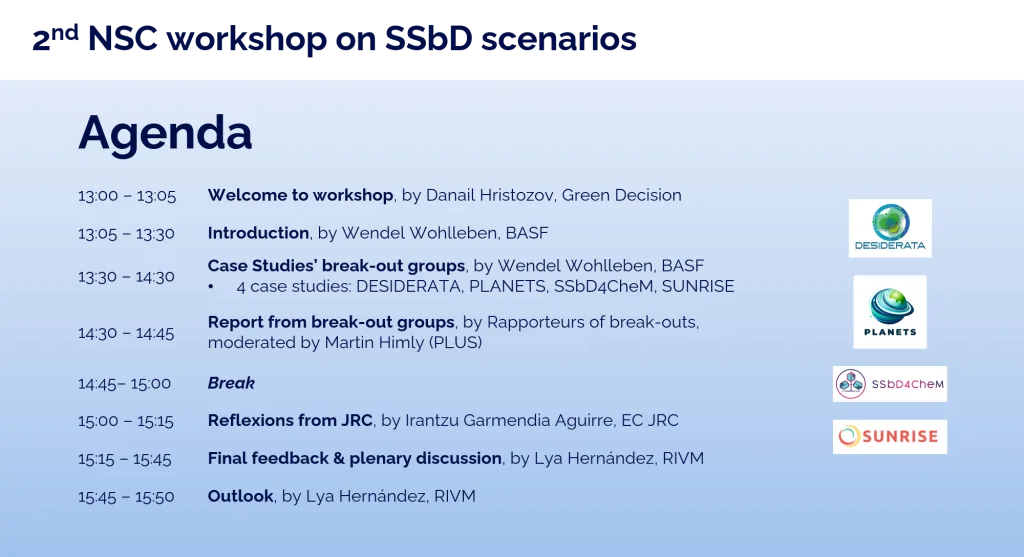
2ndNSCworkshopSSbDscenarios_Agenda

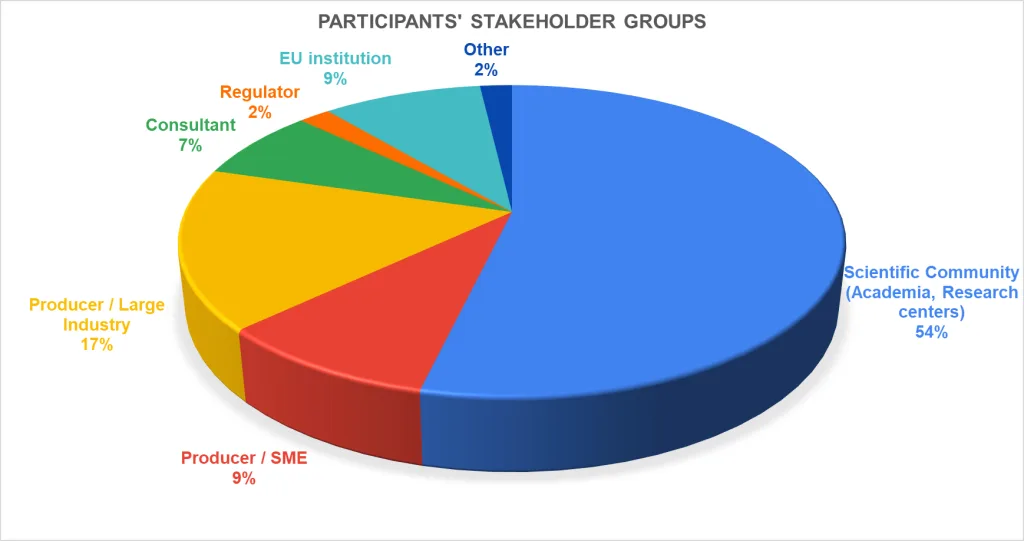
Danail Hristozov (GreenDecision, and chair of the NSC WG on SSbD) opened the workshop and welcomed the more than 50 international participants from academia (54%), large industry (17%), SME (9%), consultants (7%), regulators (2%) and EU institutions (9%). 

2ndNSCworkshopSSbDscenarios_StakeholderGroups
Overview of the participants’ stakeholder groups

Wendel Wohlleben (BAuA, formerly BASF, and co-chair of the NSC WG on SSbD) presented how to tailor the SSbD implementation by using the scenarios. He explained how the most relevant aspects describing the scenario were selected after the 1st workshop, and how the newly developed spreadsheet “SSbD-ified ECV calculator” estimates the impact of implementing SSbD into an innovation project plan. The standardised business metric of the “Expected Commercial Value (ECV)” was used as the basis for the tool, which had been made available to all workshop participants, and feedback was gathered during the break-out groups. 

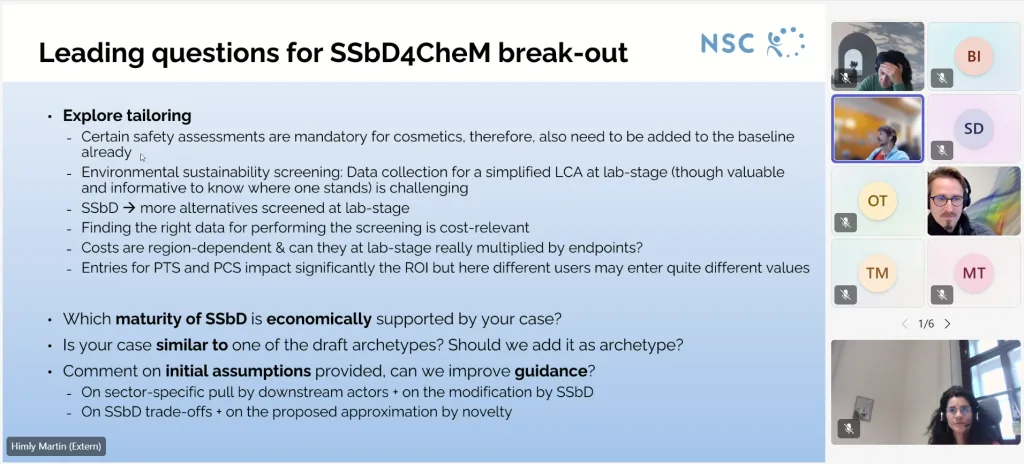
Workshop participants split up into the break-out groups, where the tailoring and other aspects in the different innovation case were explored and discussed: 

  • DESIDERATA case study: Olga Thoda, from MONOLITHOS, on geopolymers originating from mining waste as replacement of Aluminum in construction, moderated by Lya Hernandez, RIVM.
  • PLANETS case study: Tobias Moss, from Budenheim, on flame retardants in construction, moderated by Carla Caldeira, SYENSQO.
  • SSbD4CheM case study: Ondej Panak, from the Slovenian National Institute of Chemistry, on cosmetics (assisted by Assaf Assis, David Barak, and Dror Cohen, from AHAVA Dead Sea Laboratories, moderated by Martin Himly, PLUS.
  • SUNRISE case study: María José López Tendero, from Laurentia Technologies, on post-harvest fruit treatment based on safer microencapsulated oil, moderated by Danail Hristozov, GreenDecision.

Martin Himly (PLUS and chair of the NSC WG on ETC) moderated the joint reporting session of the different breakouts, where the discussions in each of the groups were briefly summarised and discussed in the plenary. 

Irantzu Garmendia Aguirre from the European Commission’s Joint Research Centre (JRC) contributed key insights to the workshop, sharing the JRC’s perspectives on the current adaptations within the SSbD framework. Her intervention addressed the core SSbD principles, the scoping analysis, and the development of SSbD scenarios, highlighting their relevance for advancing safe and sustainable innovation.

The workshop ended with a final round of feedback and plenary discussion, moderated by Lya Hernández (RIVM), where workshop participants dived into vivid discussions, which will be picked up in the 3rd NSC scenarios workshop anticipated for late spring 2026.

Two main activities are planned as follow-ups of this 2nd workshop: A third workshop (planned for 2026) to discuss the process from archetypal scenarios to tiered SSbD assessment, and a joint peer-reviewed NSC publication about the tailored SSbD approaches followed by the different case studies presented in the workshop.

Workshop materials:

Workshop materials are publicly available in Zenodo, under DOI: 10.5281/zenodo.19554509

The recording of the workshop is available in the NSC YouTube channel.

References:
  • Garmendia Aguirre, I., E. Abbate, G. Bracalente, L. Mancini, G. Cappucci, D. Tosches, K. Rasmussen, B. Sokull-Klüttgen, H. Rauscher and S. Sala (2025). “Safe and Sustainable by Design Chemicals and Materials. Revised framework”. Draft for consultation, can be accessed here.
  • Wohlleben, W., C. Caldeira, M. Himly, L. G. Soeteman-Hernández, D. Hristozov and B. Serrano Alfaro (2025). Materials of the NSC workshop on “SSbD scenarios for advanced and incremental innovations” on 23 June 2025. Zenodo. DOI: 10.5281/zenodo.15756156.
  • European Commission SSbD Framework
 
Impressions of the workshop:
Screenshot_ReportBreakOuts
2ndNSCworkshopSSbDscenarios_Cover

Read More
QSAR2025

SSbD4CheM @ QSAR 2025

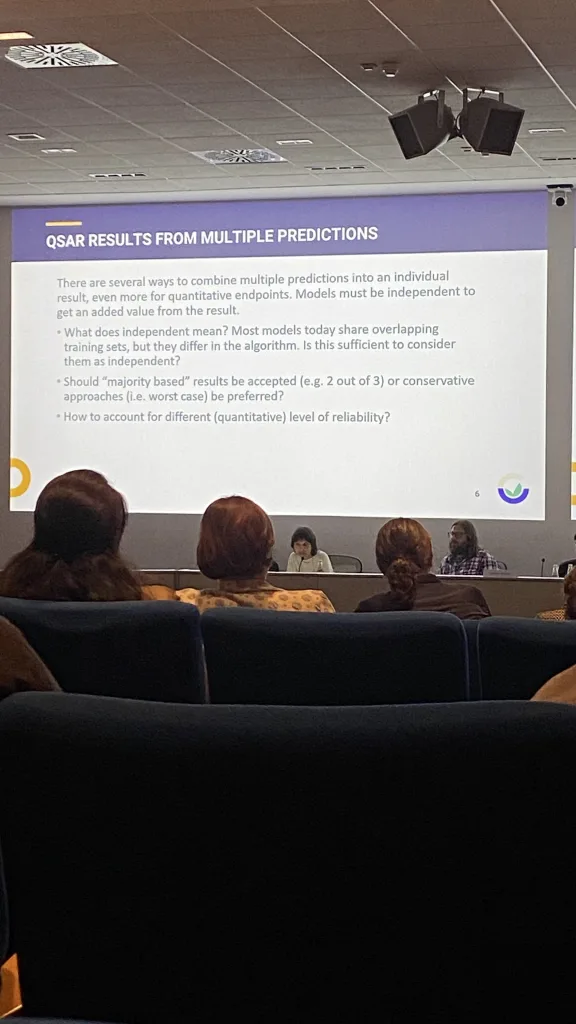
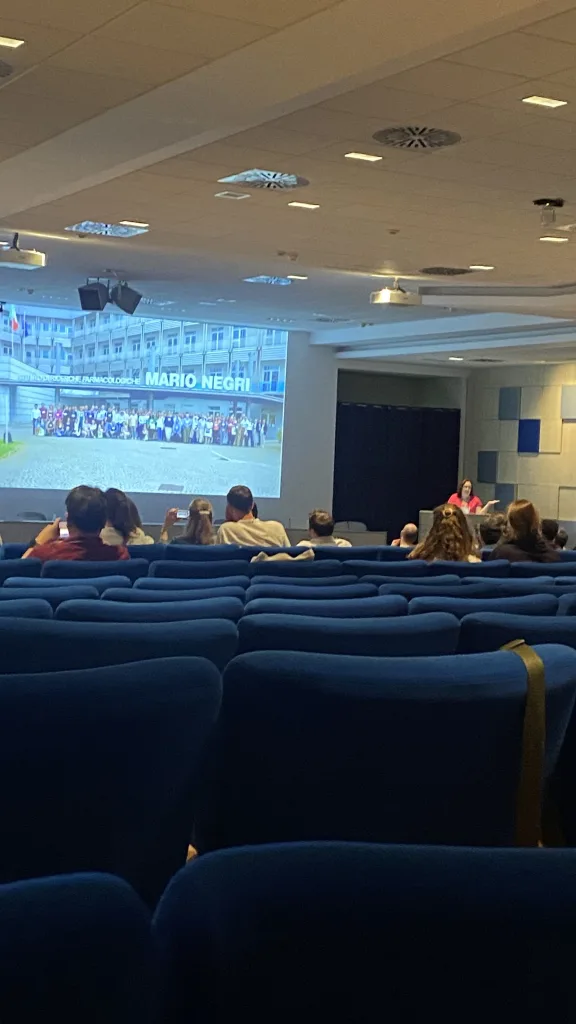
The SSbD4CheM project was featured at the 21st International Workshop on QSAR in Environmental and Health Sciences (QSAR 2025), held from 3 to 6 June 2025 in Milan, Italy. Hosted at the Mario Negri Institute, the event brought together around 100 participants from research, industry, and regulatory organisations.

QSAR 2025 served as a key platform for discussing the latest advances in in silico toxicology, with a strong focus on QSAR modelling, read-across approaches, and New Approach Methodologies (NAMs). The workshop highlighted how these computational tools support chemical safety assessment within frameworks like Safe and Sustainable by Design (SSbD) and regulatory initiatives such as REACH and CLP.

The programme included keynote contributions from prominent institutions such as OECD, ECHA, and EFSA, alongside hands-on sessions, and poster discussions that fostered knowledge exchange and collaboration among participants.

Cristina Sánchez Ferri, from SSbD4CheM partner ITENE, contributed to the conference through a poster presentation entitled “Automated hazard assessment pipeline for SSbD: Integrating bibliographic and QSAR predicted data for safety assessment”, presented in the session “(Q)SARs for screening, prioritization and data gap filling”. The work presented an automated Python-based pipeline designed to streamline hazard assessment in line with the SSbD framework. By integrating existing bibliographic data with QSAR predictions, the tool enables efficient data gap filling, prioritisation of substances for testing, and improved data consistency and traceability. A novel Consistency Index was introduced to assess the reliability of the aggregated data, enhancing transparency and robustness in decision-making processes.

The participation of SSbD4CheM in QSAR 2025 was highly relevant, as the methodologies and workflows developed within the project are closely aligned with the conference themes, particularly in the application of computational tools for regulatory and sustainability purposes.

The workshop provided valuable insights into current trends, challenges, and best practices in QSAR modelling and its regulatory applications. It also offered opportunities for networking and future collaboration, reinforcing the importance of harmonisation, transparency, and validation in computational toxicology.

Through its presence at QSAR 2025, the SSbD4CheM project continues to strengthen its contribution to the development and implementation of innovative in silico approaches supporting the transition towards safer and more sustainable chemicals.

Read More
1733861684628

SSbD4CheM @ Secrets of Plastic Workshop (3rd)

During the Dag van de Wetenschap (Day of Science) on 24 November 2024, in Mol (Belgium), our colleague Milica Velimirovic, from VITO, represented the SSbD4CheM project in the activities, offering a specially prepared word puzzle to engage citizens in sustainability concepts and clarifying questions like “What does a sustainable future look like?”, “Why is sustainability so urgent and important and how can technology help?” and explaining how the project is contributing to it.

Read More
IMG-20240914-WA0011

SSbD4CheM @ Clean Coast Event

On 14 September 2024, as part of Slovenia’s Cleaning Action “Clean Coasts” (Čista obala), linked to the International Coastal Cleanup, our colleagues from the Slovenian’s National Institute of Chemistry (NIC) organized a special workshop “Secrets of Plastic” aimed at raising awareness among young people about plastic pollution and potential solutions. The workshop welcomed children to actively engage in the classification of plastic waste.

Read More