SSbD4CheM_SETAC2026_VITO_Xiaoyu_Handy (2)

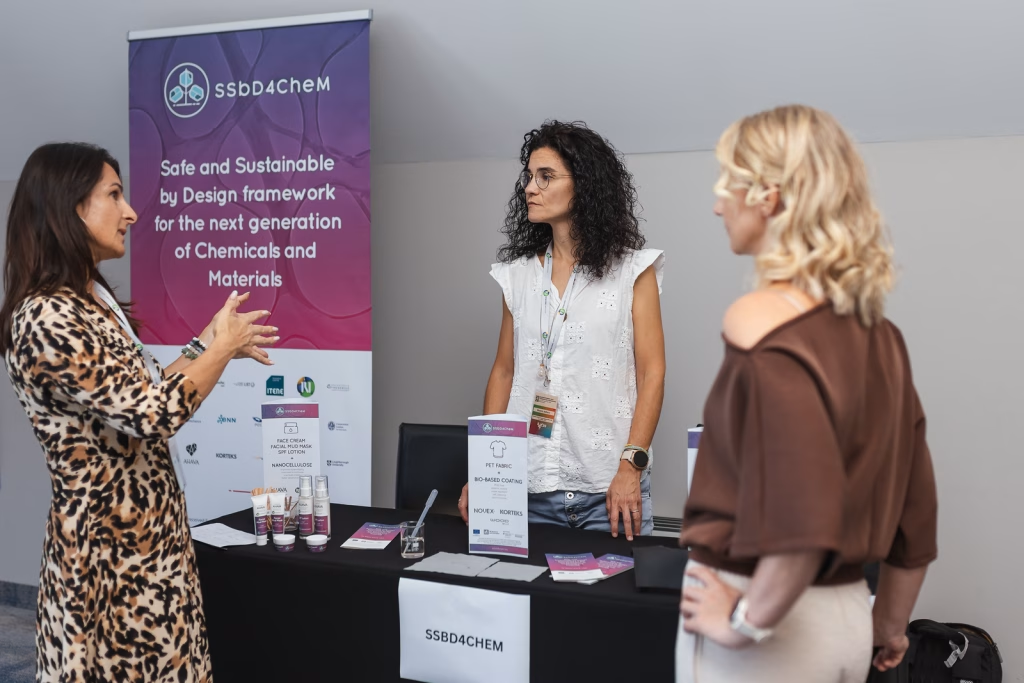
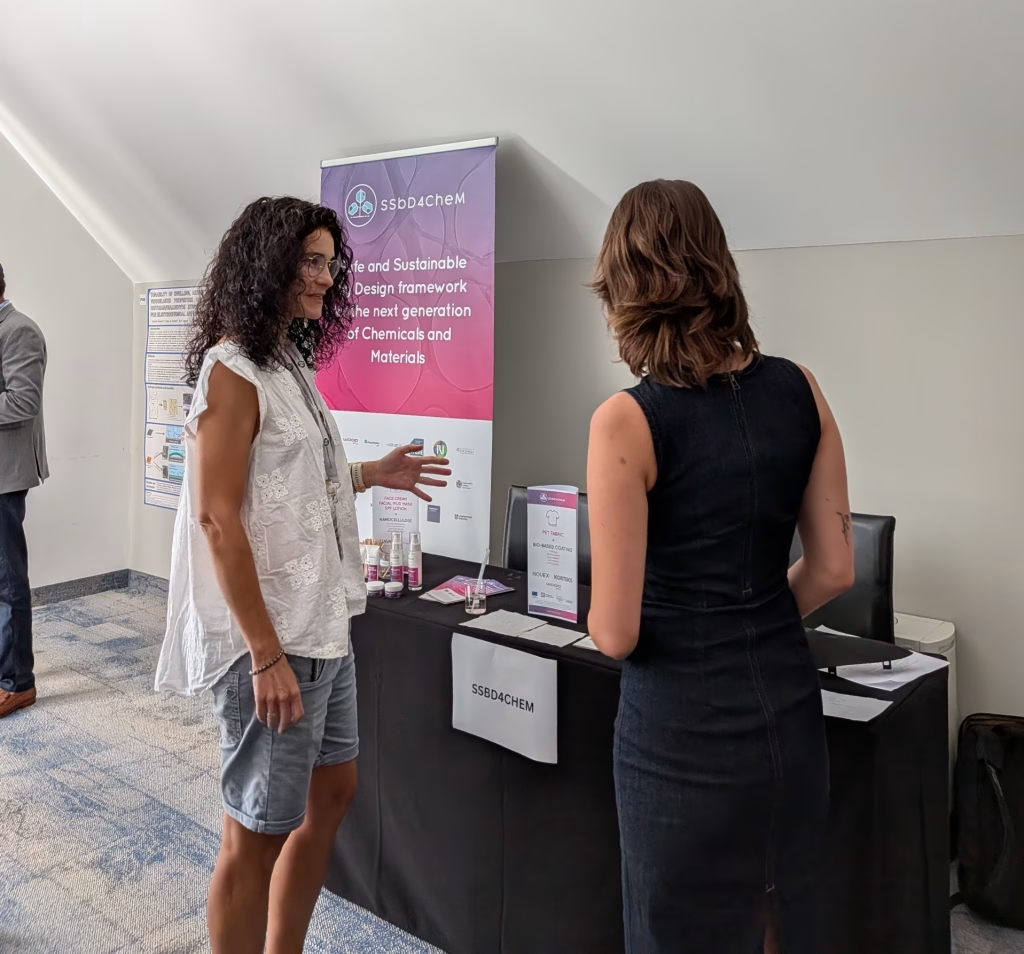
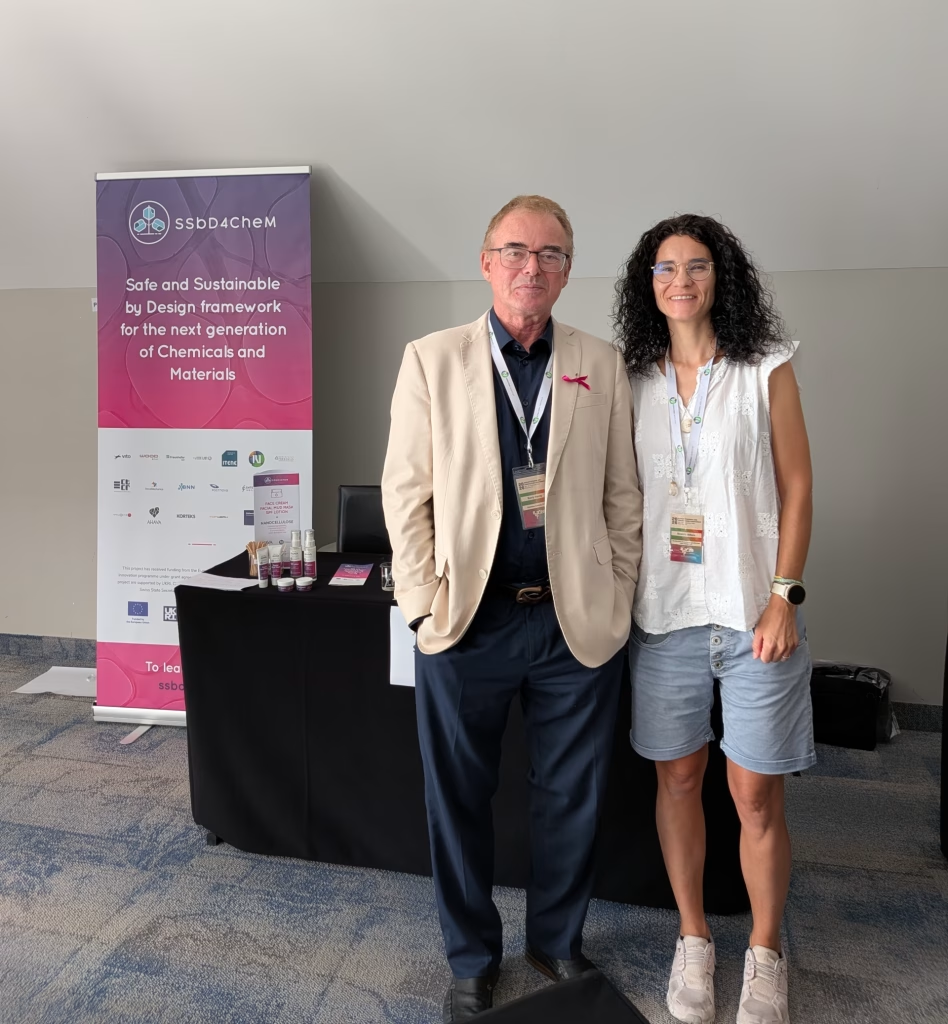
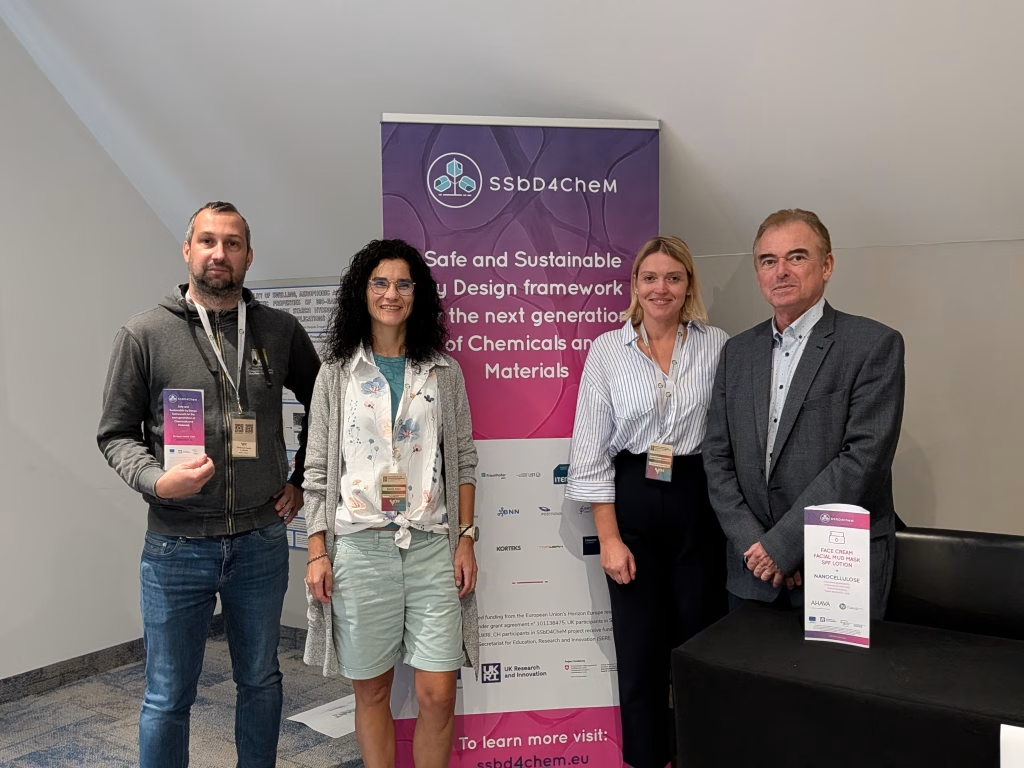
SSbD4CheM @ SETAC 2026 (17-21.05.2026, Maastricht)

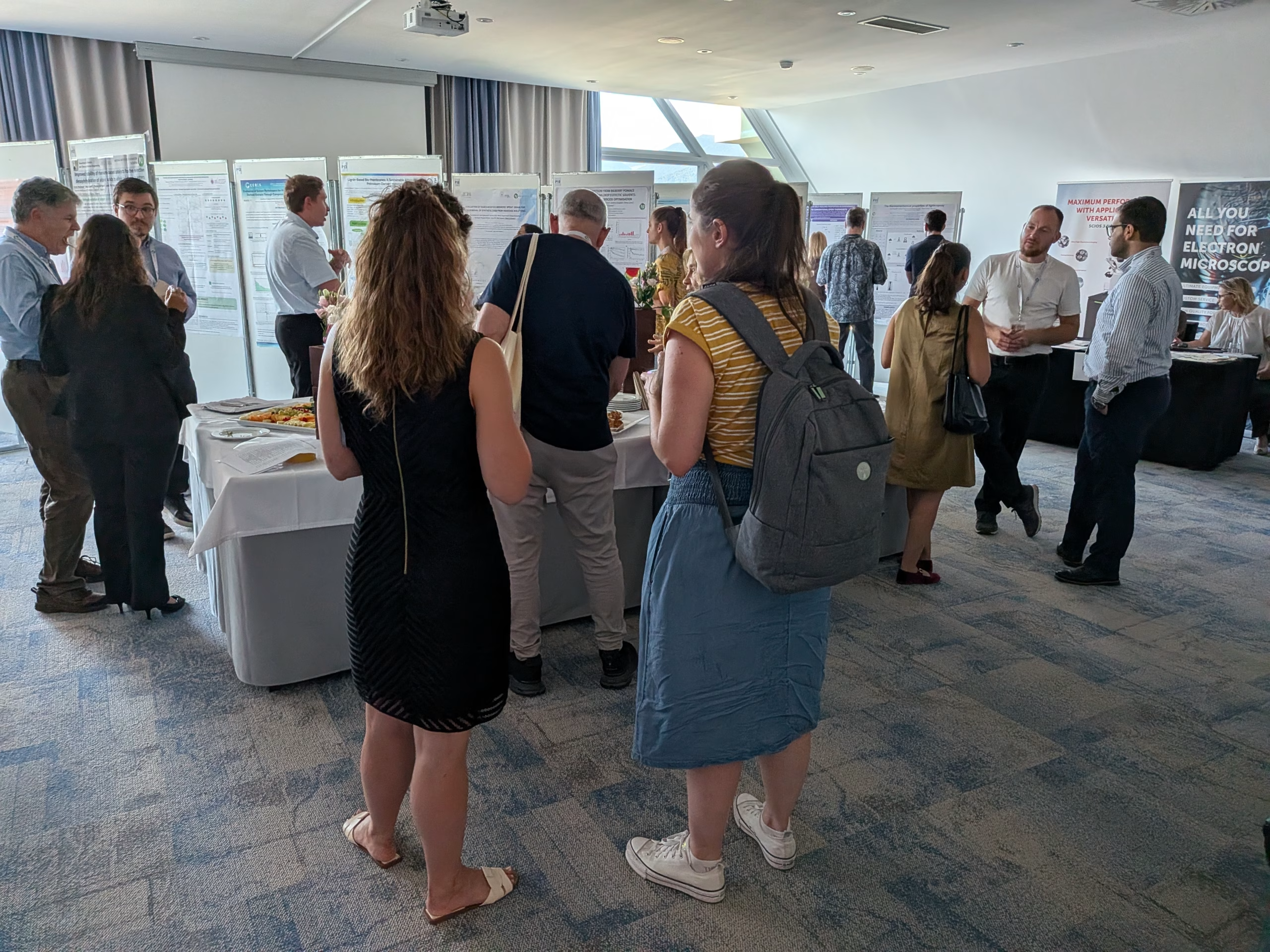
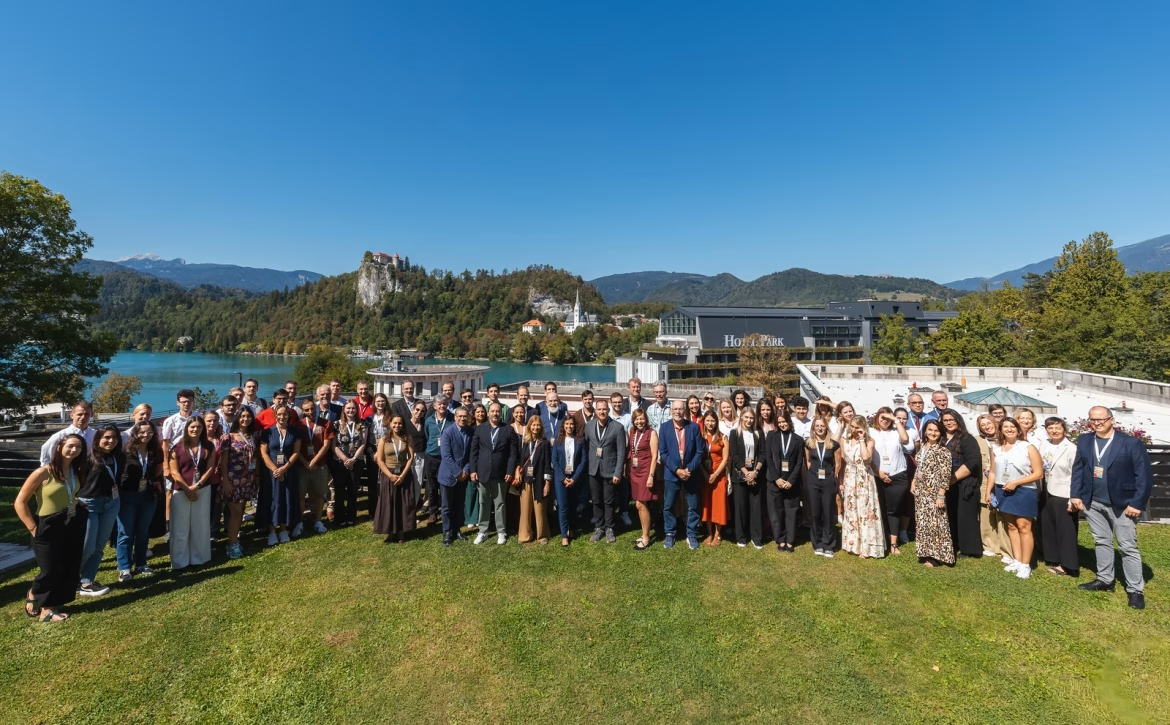
The SETAC Europe 36th Annual Meeting took place from 17–21 May 2026 in Maastricht, the Netherlands, bringing together around 2,500 participants from academia, industry, governmental institutions, and regulatory bodies interested in the programme, which included keynote lectures, oral and poster presentations, workshops, and networking events. This year, the event’s theme was ‘Embrace the outlier: in science, regulations, and networks’, bringing together diverse perspectives to advance environmental sciences and their adoption in policy making, and serving as a major platform for discussing the latest scientific and regulatory developments in environmental toxicology, environmental chemistry, sustainability, life cycle assessment (LCA), risk assessment, Safe and Sustainable by Design (SSbD), as well as including industrial ecology, material science, pharmaceutical sciences, governance studies, agricultural studies, etc.

SSbD4CheM partners from VITO (Xiaoyu Zhang and Wouter Gebbink), Leiden University (Thomas Arblaster, Nils Thonemann, and Jeroen Guinée) and BNN (Katharina Lang-Hogrefe) actively contributed to the conference by presenting research related to PFAS replacement strategies, the safe implementation of sustainable materials in industrial applications, as well as LCA in the automotive case study, and best practices in scientific communication.

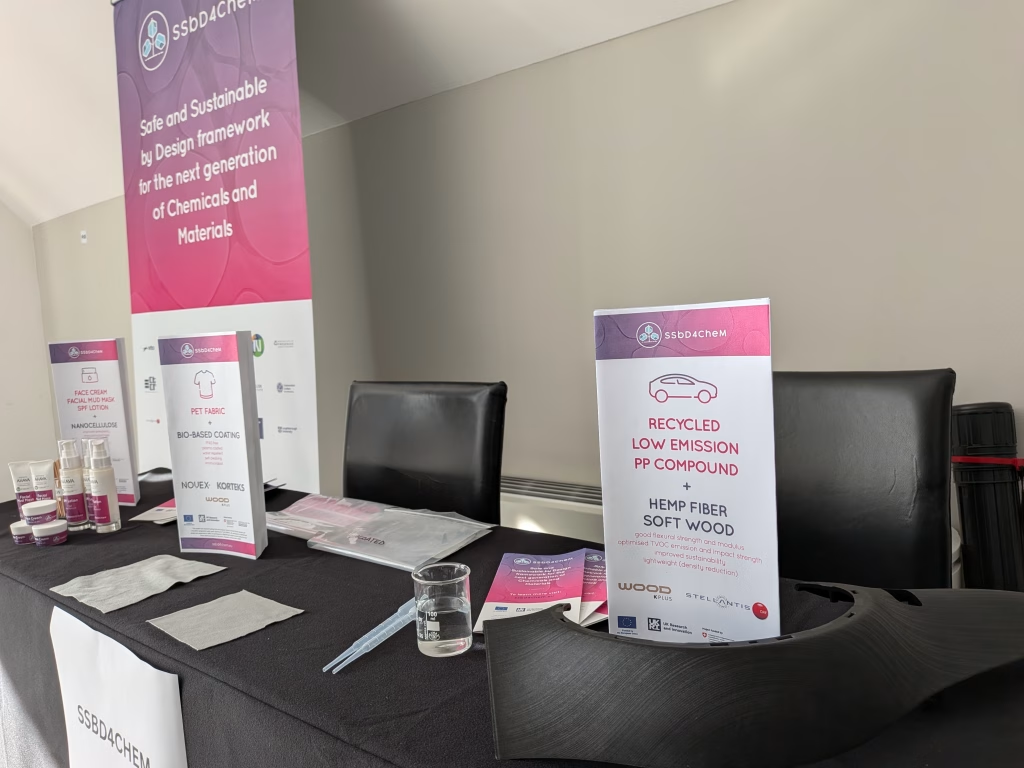
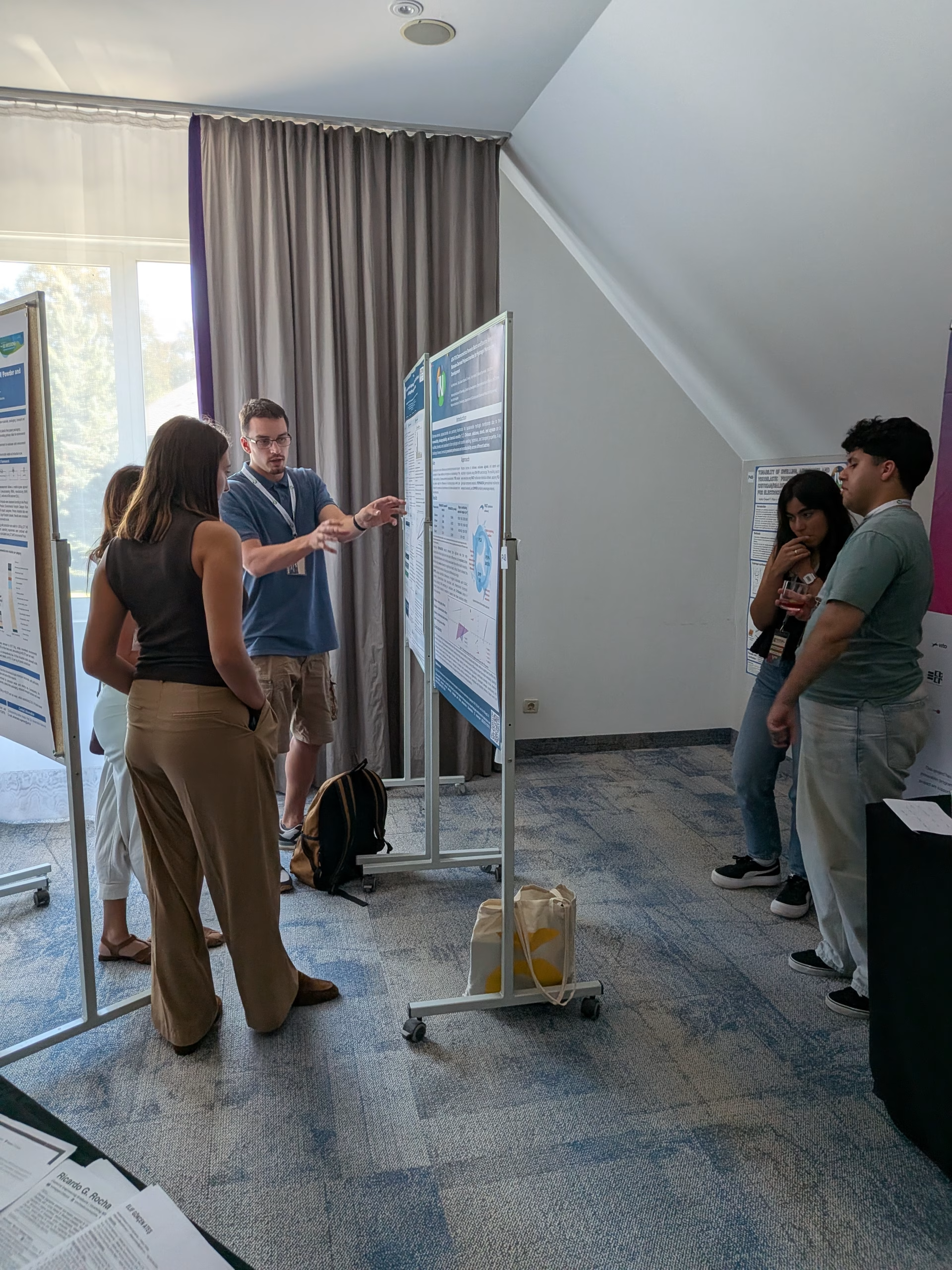
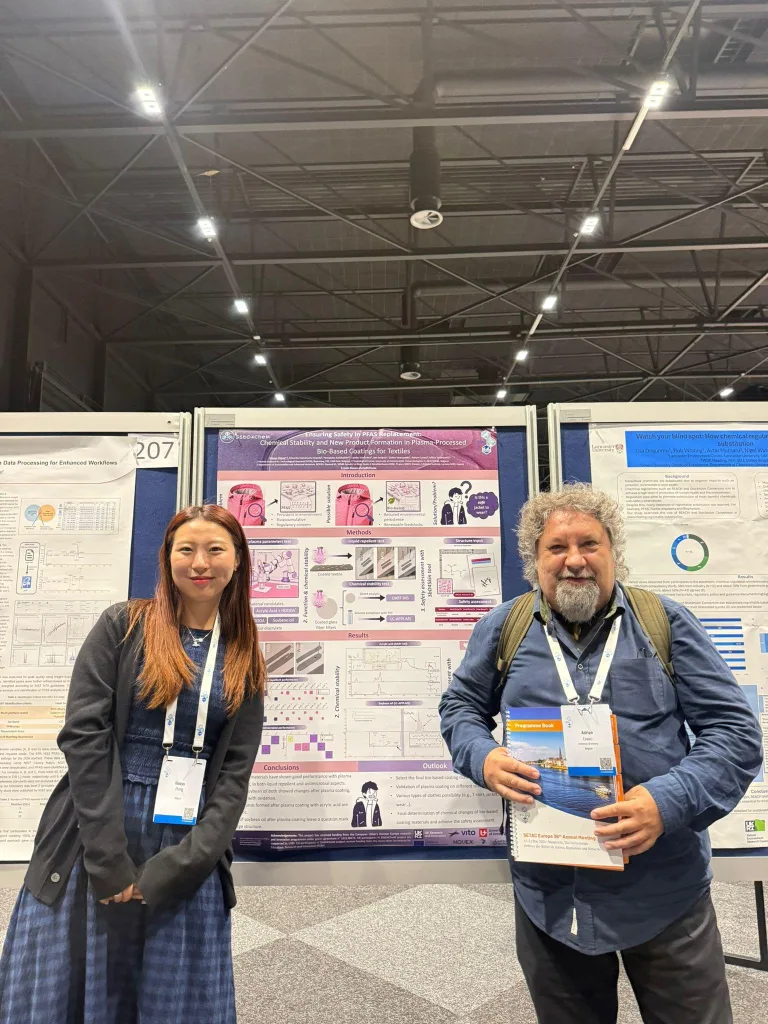
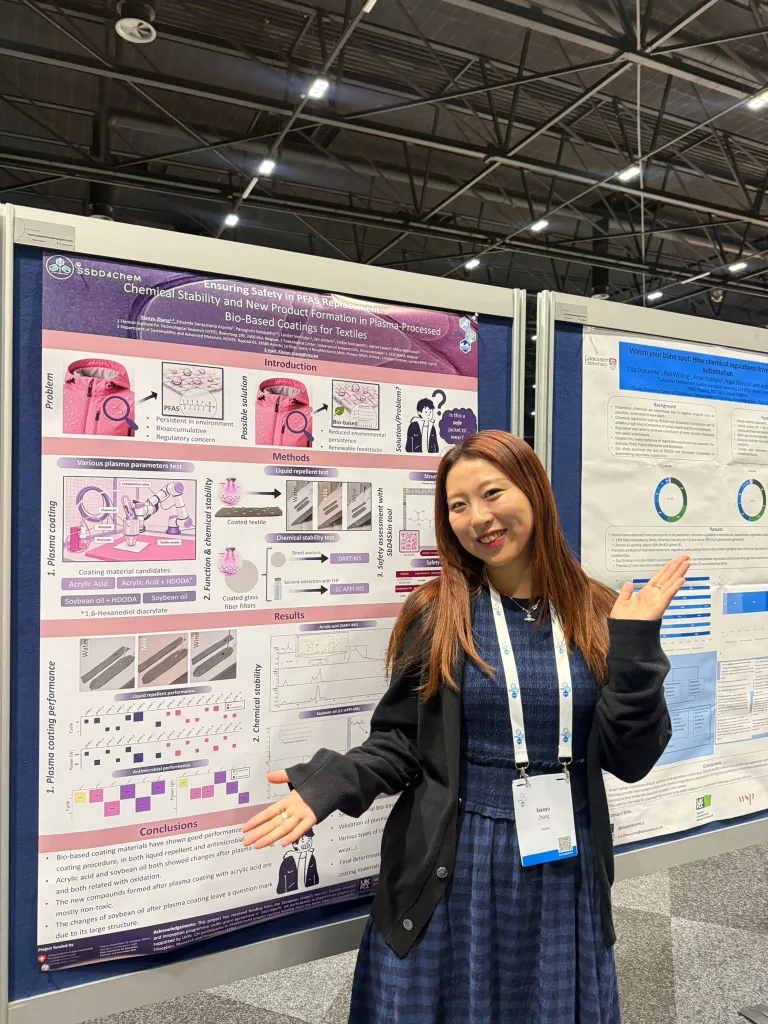
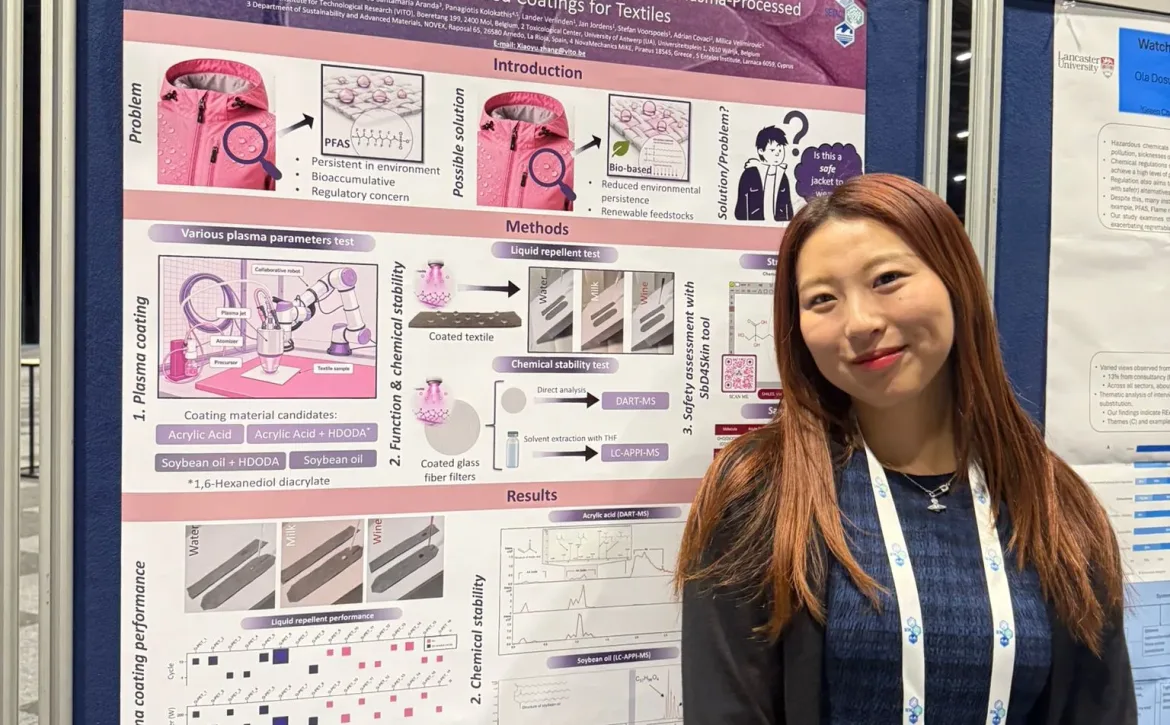
Xiaoyu Zhang (VITO) presented a poster entitled “Ensuring Safety in PFAS Replacement: Chemical Stability and New Product Formation in Plasma-Processed Bio-Based Coatings for Textiles”, on 19th May. The research focused on evaluating bio-based alternatives to PFAS-based textile coatings and assessing their chemical stability and safety following plasma processing. The study investigated acrylic acid and soybean oil-based coatings as potential PFAS-free solutions for textile applications. Using advanced analytical methods, including DART-MS and LC-APPI-MS, the work evaluated liquid repellency, antimicrobial performance, and the formation of new compounds after plasma treatment. The results demonstrated that bio-based coatings can offer promising functional performance while potentially reducing environmental persistence compared to conventional PFAS-containing materials. The work also included a preliminary safety assessment using the SbD4Skin tool, supporting the development of safer and more sustainable textile materials.

Wouter Gebbink (VITO) contributed with a presentation entitled “Occupational and Consumer Exposure to VOCs during the Production and Use Phase of Renewable Wood Plastic Composites for Car Interior Trims”, presented during the session Innovative Strategies in Implementing Safe and Sustainable by Design (SSbD) Approaches, on 21st May. The study evaluated worker and consumer exposure to volatile organic compounds (VOCs) during the production and use of renewable wood plastic composites for automotive interior panels. Key conclusions included: (i) Incorporating wood-based fillers in car interior panels can eliminate or reduce risks for workers during production and for consumers exposed to TVOC and FOG emissions inside vehicles. (ii) Weathered materials showed significantly lower TVOC/FOG emissions compared to pristine materials, resulting in lower in-car air concentrations. (iii) Although all estimated exposure levels remained below safe thresholds, children under 11 years of age experienced equal or higher exposure levels compared to adults. DOI: 10.5281/zenodo.20392915.

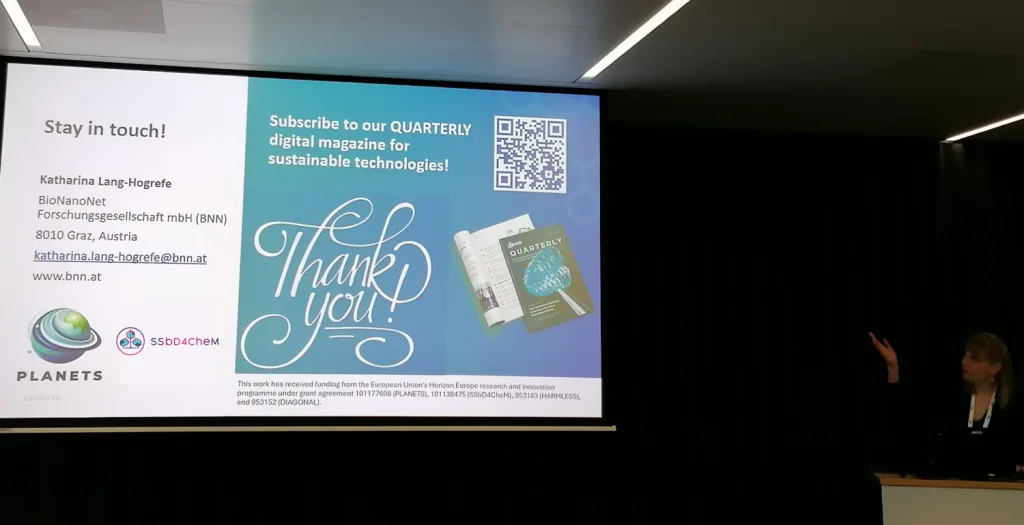
Katharina Lang-Hogrefe (BNN) gave an oral presentation on scientific communication, entitled “Clear, Concise, and Complete: Finding the Sweet Spot for Detail and Simplification in Science Communication“, on 18th May in the Session “6.10 – Translating Complexity – The Role Science Communication Plays in Generating Lasting Societal Impact“. DOI: 10.5281/zenodo.20345940
 
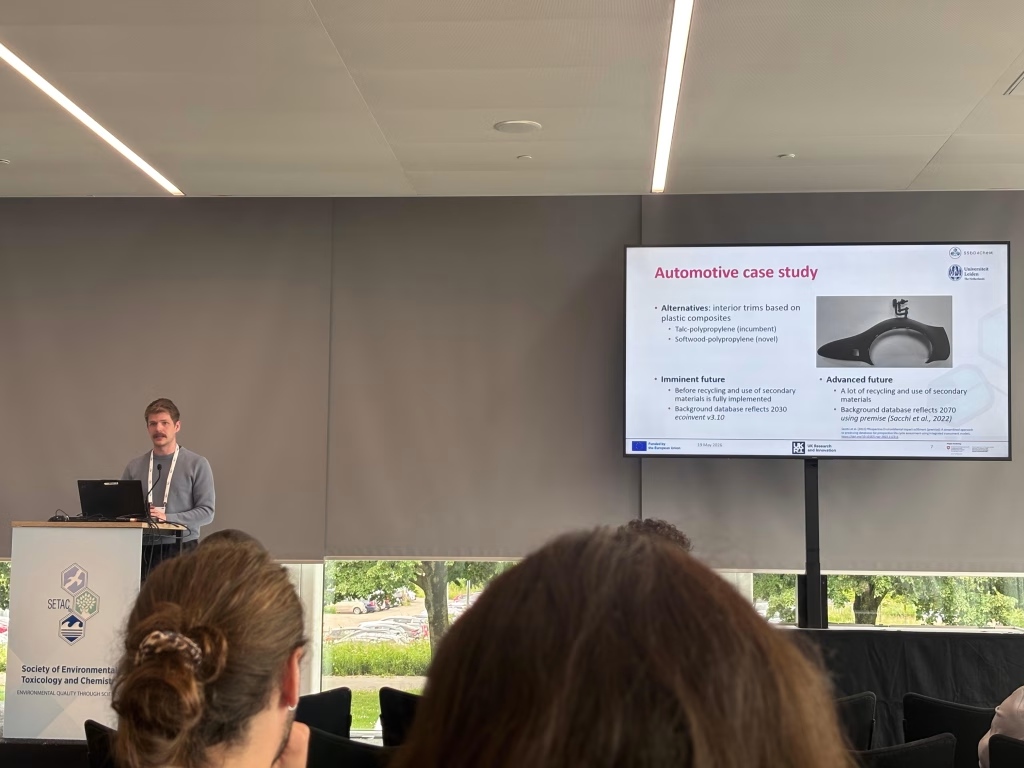
Thomas Arblaster (Leiden University) gave an oral presentation on 19th May, entitled “Is Time-Explicit Life-Cycle Assessment Useful? A Vehicle Eco-design Case Study“, in session 5.02 ‘Advancing Methods for Prospective Life Cycle Assessment to Support Radical Approaches to Sustainable Research and Innovation’, which was part of track 5 ‘Life Cycle Assessment and Foot-Printing’. In his presentation, Thomas outlined how the consideration of time affects the assessment of a system in the context of eco-design – such as occurs in SSbD. This work was conducted as part of WP6 in SSbD4CheM and forms an important contribution to the development of guidance for a robust ex-ante assessment to inform environmental sustainability. In the presentation, four temporal perspectives were explained, which differ in how they consider the system’s relationship with time. The consideration of imagined futures (prospective LCA) which may change over time (time-explicit LCA) is a rapidly expanding niche in the LCA community. This study critically addresses some of the recent advancements and proposes new classifications with which to describe how time is considered in an LCA study. DOI: 10.5281/zenodo.20395341.
 

The participation in SETAC Europe 2026 provided an important opportunity for SSbD4CheM partners to disseminate research outcomes, engage with experts in environmental safety, analytical chemistry, operationalisation of ex-ante LCA for (environmental) sustainability assessment in SSbD, and strengthen collaboration within the sustainability and toxicology communities.

The posters and oral presentations generated valuable scientific discussions around SSbD implementation, PFAS alternatives, environmental exposure assessment, sustainable materials development, LCA, and scientific communication. The event also contributed to increasing the visibility of the project and fostering future networking and collaboration opportunities.

Read More
GSRS25_BarryHardy

SSbD4CheM @ GSRS25

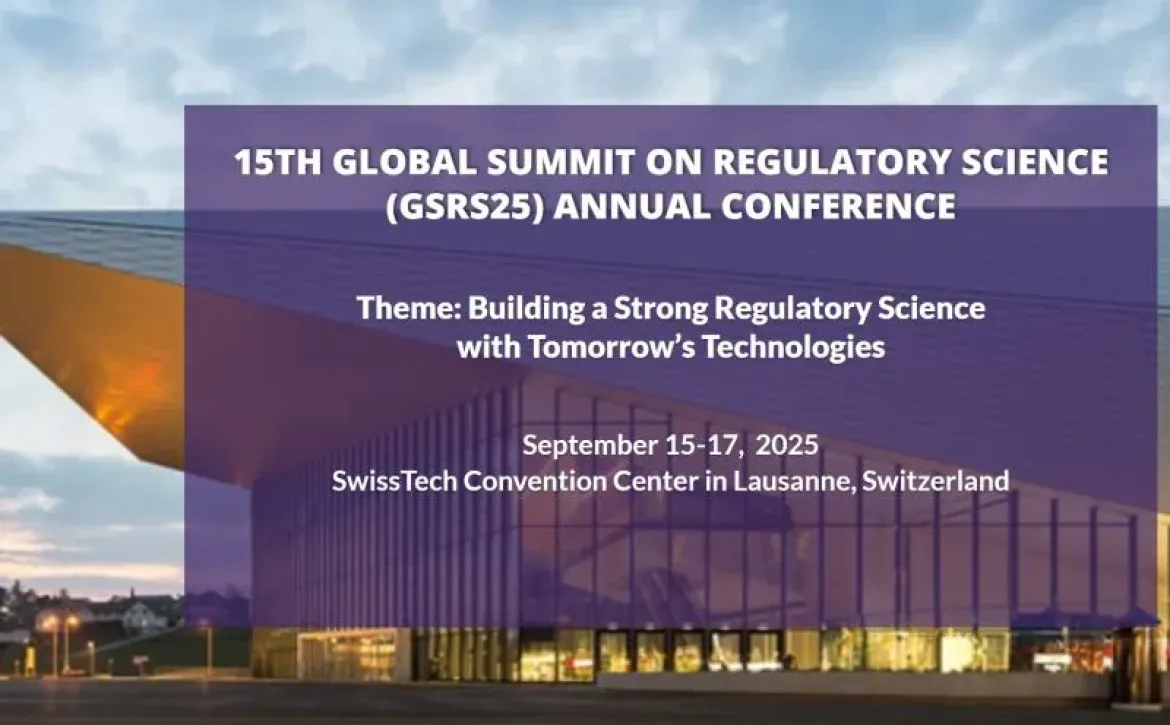
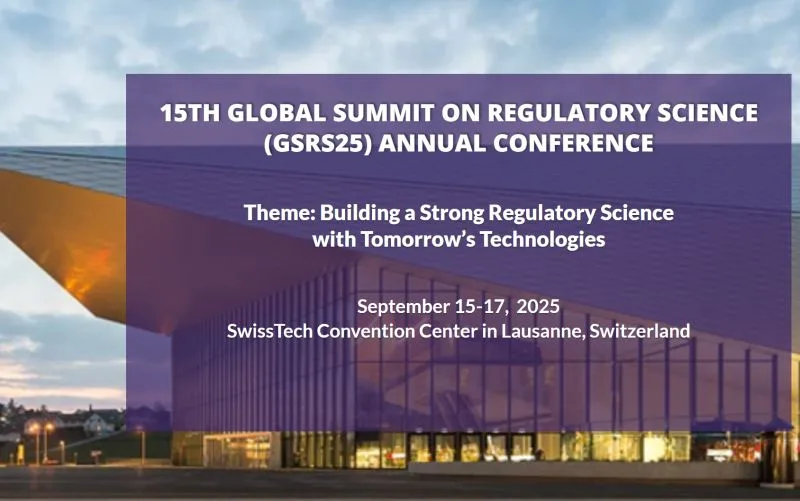
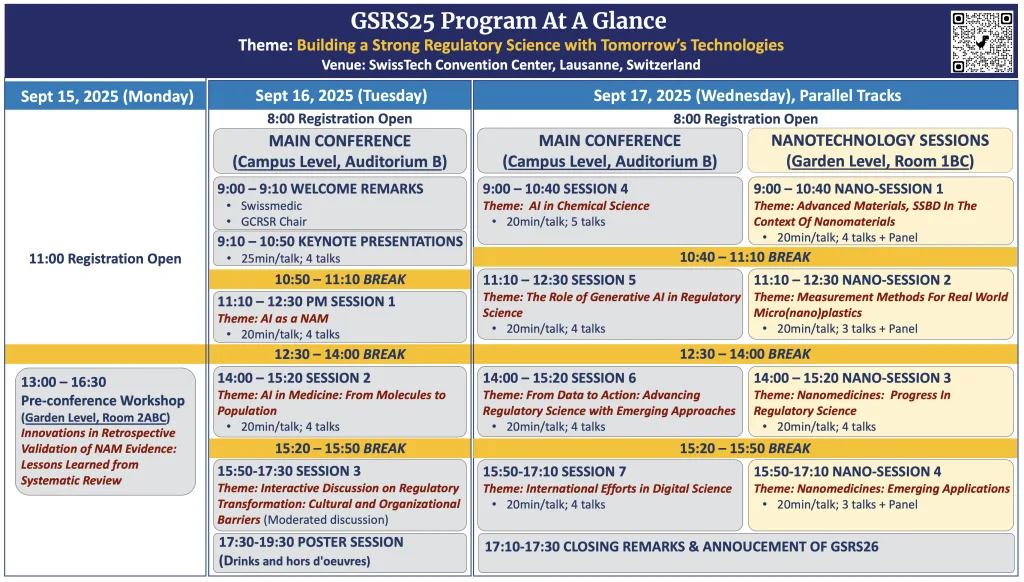
The 15th Global Summit on Regulatory Science 2025 (GSRS25) took place from 15–17 September 2025 in Lausanne, Switzerland. This year’s conference brought together more than 200 scientists to exchange their experiences and insights on the use of digital tools and artificial intelligence in regulatory science, for building a strong regulatory science with tomorrow’s technologies.
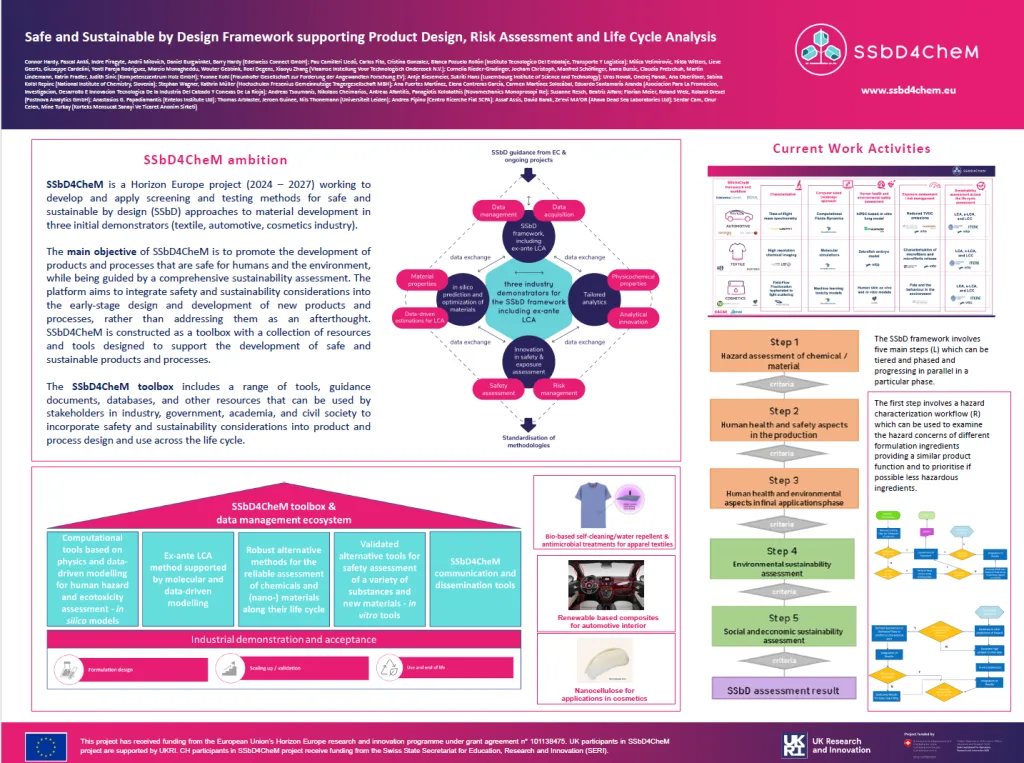
Representing the SSbD4CheM project, Barry Hardy (Edelweiss Connect) presented a poster showcasing the project’s work on developing a robust knowledge infrastructure. The poster, titled “FAIR Knowledge Infrastructure for Next Generation Risk Assessment and Safe and Sustainable by Design Workflows: Enabling High-Integrity Evidence Generation for Regulatory Submissions Including New Approach Method Results”, highlighted how FAIR data principles can support next-generation risk assessment and Safe and Sustainable by Design approaches. The poster introduced a FAIR knowledge infrastructure that integrates NAMs data, mechanistic insights, and harmonized workflows to generate transparent, traceable, and regulatory-grade evidence. It supports NGRA and SSbD through knowledge graphs, standardized data, and AI-ready structures, enabling robust assessments, improved data reuse, and compliance with evolving regulatory expectations.
The participation in GSRS25 offered an excellent opportunity to engage with regulatory scientists and foster new interactions relevant to the project’s goals.
The poster programme is available here.

GSRS25_BarryHardy
GSRS25_BarryHardy3
GSRS25_BarryHardy2

Read More
WC13_BarryHardy1

SSbD4CheM @ WC13

The 13th edition of the World Congress on Alternatives and Animal Use in the Life Sciences (WC13) took place from 31 August to 4 September 2025 in Rio de Janeiro, Brazil. This major international event brought together around 2,000 participants from academia, industry, innovation communities, and other stakeholder groups. Over five days, attendees took part in 141 sessions organised across five main themes: One Health, Human Health, Animal Health, Environmental Health, and Education.

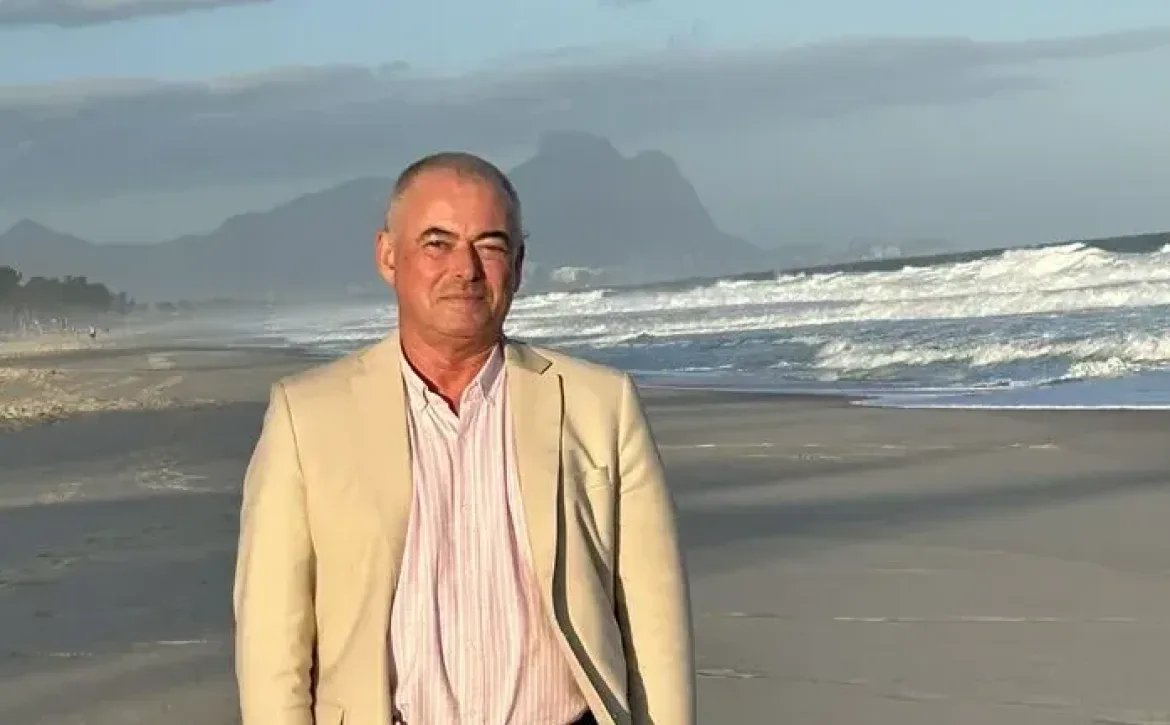
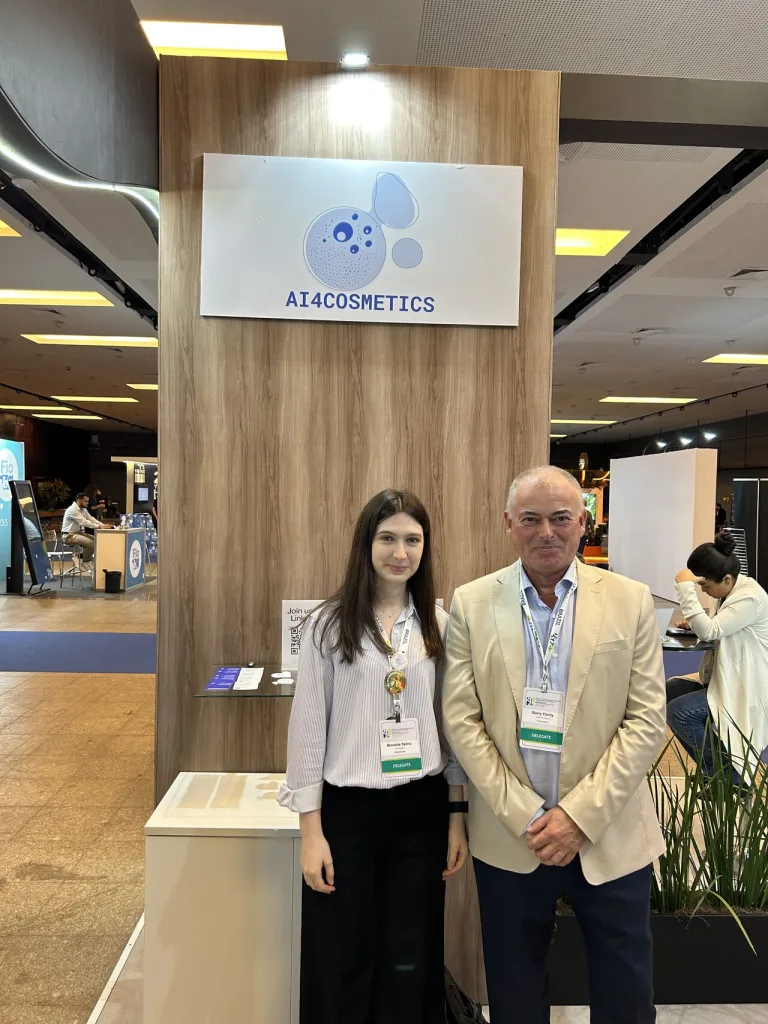
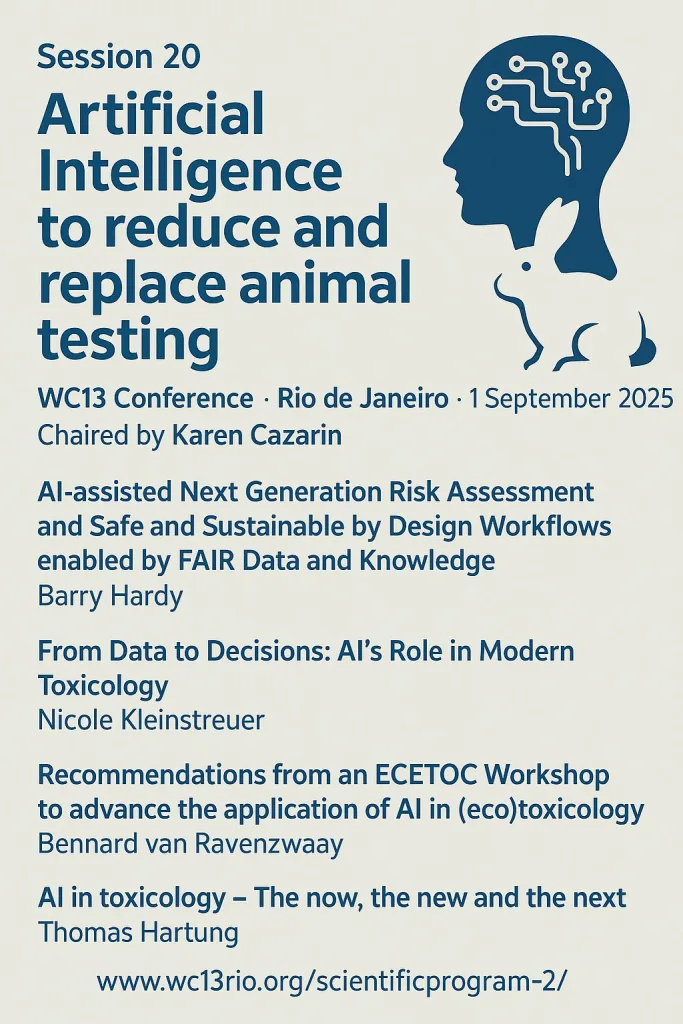
Representing the SSbD4CheM project, Barry Hardy and Connor Hardy (Edelweiss Connect) participated in the congress. Barry Hardy delivered two oral presentations on AI in risk assessment and Safe and Sustainable by Design (SSbD) on 1 September, in Session 132 (“Application of New Approach Methods in the Safe and Sustainable Design of Innovative Products”) and Session 20 (“Artificial Intelligence to reduce and replace animal testing”). He also chaired the Session 132.

The presentations were titled:

  • “AI-assisted Next Generation Risk Assessment and Safe and Sustainable by Design Workflows enabled by FAIR Data and Knowledge”
  • “Safe and Sustainable by Design Workflows supporting Product Design and Decision Making”

The congress offered a valuable opportunity to identify potential new collaborations and to disseminate the work carried out within the SSbD4CheM project.

The conference agenda is available here.

WC13_BarryHardy3
WC13_BarryHardy2
WC13_BarryHardy

Read More
ANTHOS26_Image

ANTHOS’26

will be conducting a specialized training session on the EU Safe and Sustainable by Design (SSbD) Framework at the SETAC Europe 35th Annual Meeting in Vienna. Taking place on Sunday, 11 May 2025, this half-day course will provide professionals with practical knowledge to align their work with the sustainability objectives of the European Green Deal.

Read More
BNN-News_EUIndTech2025_RoundTable

SSbD4CheM @ EUIndTech2025

EUIndTech2025 is the new EU flagship event, in which the two cyclical events, “Conference on Industrial Technologies” and “EuroNanoForum” are merged. This year it was done during the Polish presidency of the EU Council in Krakow, Poland.

Read More
SSbD4CheMSession5

SSbD4CheM @ SETAC 2025

From 11-15 May 2025 took place the SETAC 2025, the 35th Annual Meeting of the Society of Environmental Toxicology and Chemistry in Europe, at the Austria Center in Vienna.

Read More
KC-Fachtagung

SSbD4CheM @ KC-Fachtagung

KC-Fachtagung


On March 13, 2025, Wood K plus took part in the  KC Fachtagung [Conference on Materials] – Focus on Fiber Composites held in Linz, Austria. The event, organized by the Upper Austrian cross-sectional network of the industrial plastics sector (Business Upper Austria), brought together approximately 40 industry stakeholders to discuss the latest developments and applications of fiber-reinforced plastics.

This year’s conference explored a wide spectrum of materials and their forward-looking applications, ranging from mobility and construction to other sectors where fiber-reinforced composites are essential. Key topics included recyclability, design for recycling, and the integration of recycled and bio-based raw materials. Experts from both industry and research institutions presented new insights and visions aimed at driving sustainable and innovative use of fiber-reinforced composites in relevant sectors.

Our colleague Dr. Claudia Pretschuh from Wood K plus contributed to the conference with an oral presentation on “Developments in the Area of Fiber-Based Composites by Using Natural Fibers”. The presentation highlighted key developments from the automotive case study of the SSbD4CheM project, which specifically targets the development of composites reinforced with natural fibers, cellulose fibers, and wood particles for use in automotive interior applications, and focuses on the Safe and Sustainable by Design (SSbD) principles.

Dr. Pretschuh outlined the SSbD approach followed by the project, emphasizing several steps such as:

  • Step 3 – Safety aspects: Addressing safety aspects related to the use phase, with a particular focus on volatile organic compound (VOC) emissions from automotive interior materials.
  • Step 4 – Sustainability aspects: The sustainability dimension is taken into account through a life cycle assessment (LCA) approach, in collaboration with the University of Leiden, also partner in the project.

Additionally, foam injection molding was presented as a potential solution for creating ultra-lightweight thermoplastic compounds. 

The event provided an excellent platform for networking and exchanging perspectives. Following the presentation, Wood K plus engaged in discussions with Magna Powertrain regarding the potential of natural fiber-based composites. Magna expressed interest in further material testing, simulations, and results from ongoing LCA studies. Additionally, future discussions are planned with Borealis to explore material applications and LCA aspects further.

Participation in this conference underscores Wood K plus’s commitment to advancing sustainable material solutions in the automotive sector and beyond.

Read More
SETAC2025

SSbD4CheM SSbD Training Session @ SETAC 2025

will be conducting a specialized training session on the EU Safe and Sustainable by Design (SSbD) Framework at the SETAC Europe 35th Annual Meeting in Vienna. Taking place on Sunday, 11 May 2025, this half-day course will provide professionals with practical knowledge to align their work with the sustainability objectives of the European Green Deal.

Read More
2nd-ssbd-bootcamp

SSbD4CheM @ 2nd SSbD Boot Camp

The 2nd Safe and Sustainable by Design (SSbD) Boot Camp took place from 22-25 October 2024, in Thessaloniki, Greece. Organized as part of the broader European efforts to advance SSbD methodologies, the event provided participants with in-depth insights into the SSbD framework and the stage gate innovation process, featuring real-life applications and hands-on training sessions for the participants on the PARC SSbD toolbox.

Read More
SSbD24Conference

SSbD4CheM @ SSbD24

The SSbD24 Conference on Safe and Sustainable by Design Chemicals and Materials took place from 10-15 November 2024, in Monte Verità, Ascona, Switzerland. Organized by EMPA, the event gathered approximately 200 international scientists from academia and industry to discuss methodologies, tools, and criteria for enabling the practical application of SSbD.

Read More